

Overview
Experience the best of Egypt in 15 unforgettable days. Marvel at the Giza Pyramids, the Sphinx, and treasures of the Grand Egyptian Museum, then explore the coastal charm of Alexandria. Journey into the magical White Desert and Crystal Mountain, and uncover the royal tombs of Akhenaton, Bani Hassan, and Tuna el-Gebel.
Discover the temples of Hathor at Dendera, Abydos, and Luxor’s Karnak and Hatshepsut’s terraces, before sailing the Nile to Edfu, Kom Ombo, and Aswan’s Philae Temple. Conclude your expedition at the majestic Abu Simbel, and carry home memories of ancient history, desert landscapes, and the timeless Nile.
Short itinerary
Quick route overview-
1
Day 1
Welcome to the Heart of Egypt!
Upon arrival at Cairo International Airport, you are met and assisted by our representative, who helps guide you smoothly through arrival formalities.
A private, air-conditioned vehicle is arranged for your transfer to the hotel, allowing you to settle in comfortably and check in at your own pace.
-
2
Day 2
A Day Among Kings and Treasures
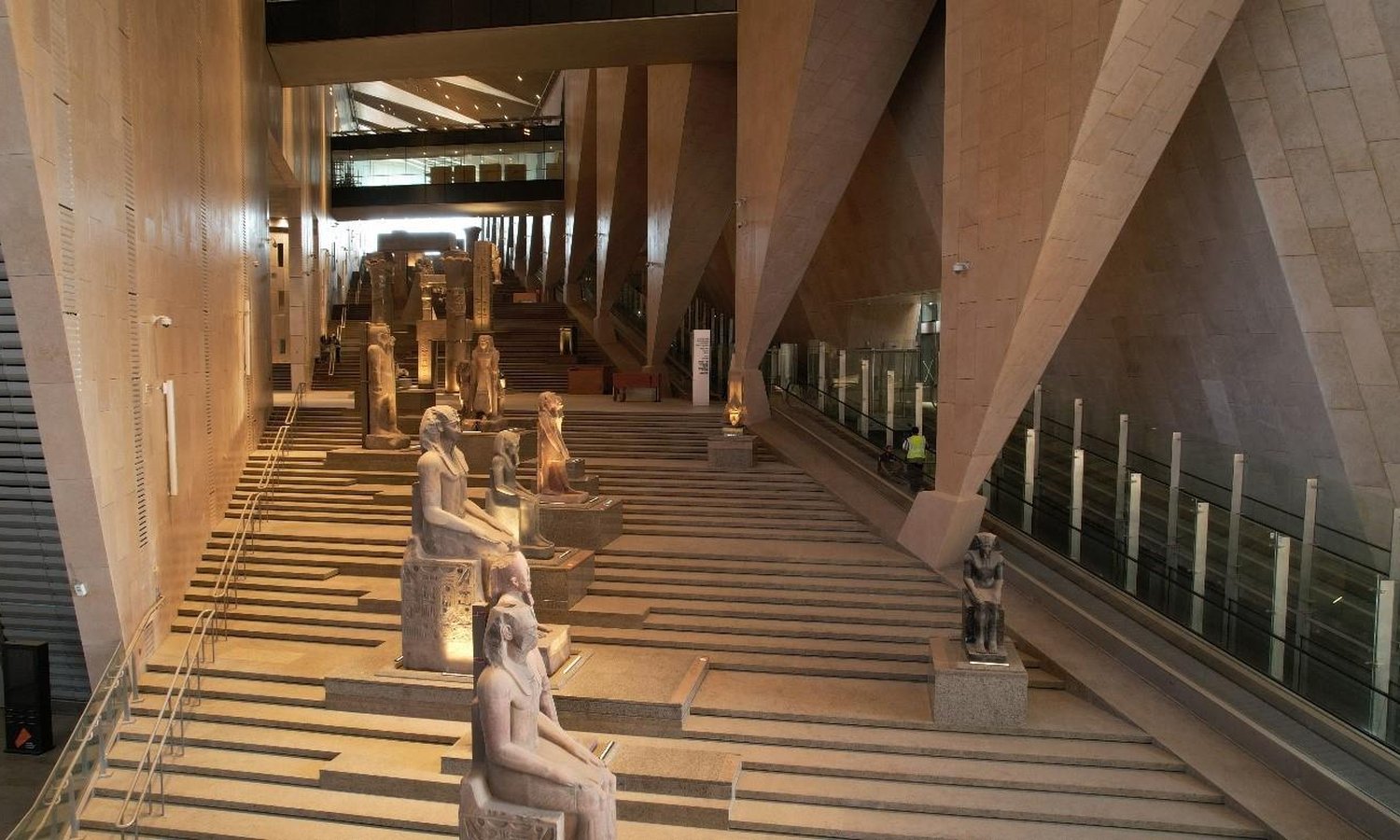
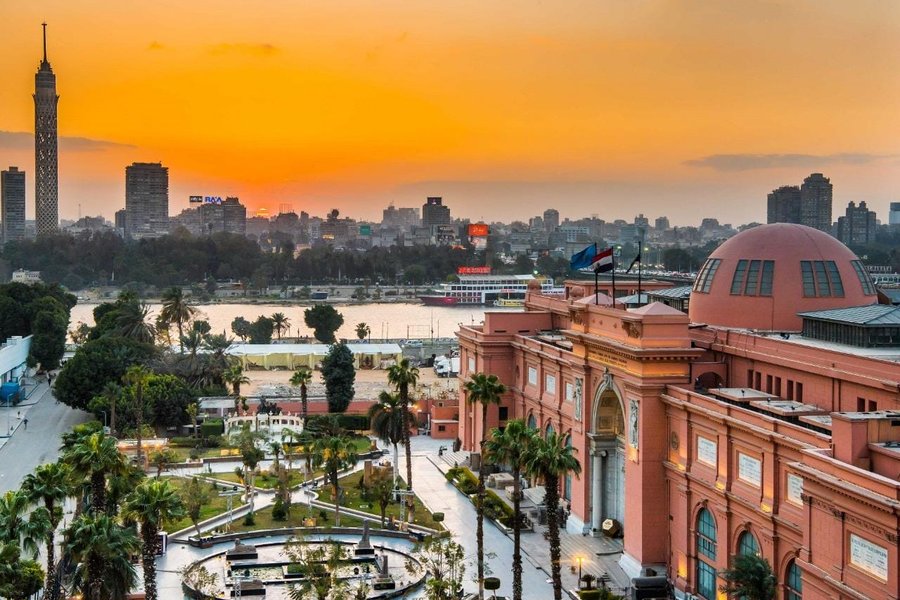
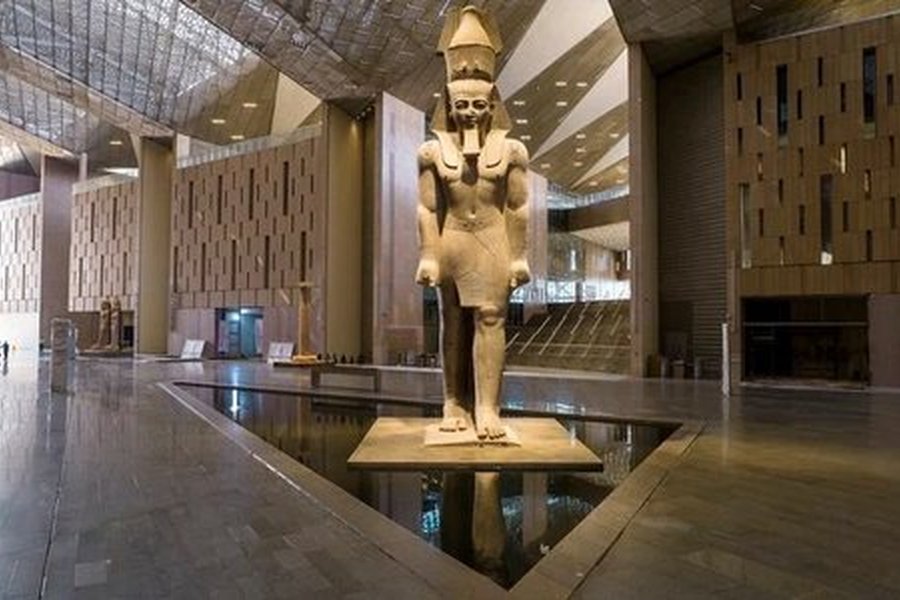
This morning, you begin the day with a visit to the Grand Egyptian Museum, where carefully curated galleries trace Egypt’s history across multiple periods. Your guide helps focus the experience on key highlights, allowing time to absorb the stories behind some of the country’s most important artifacts.
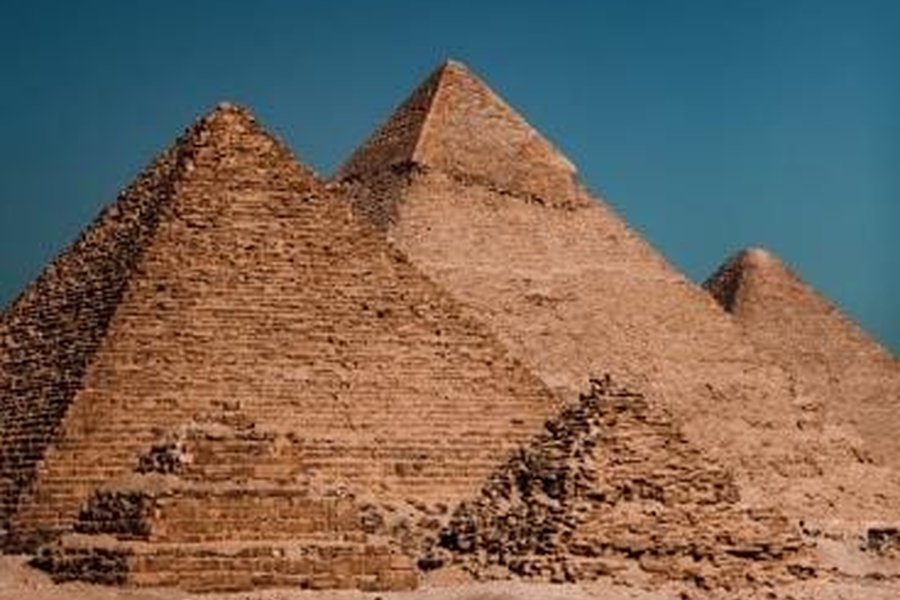
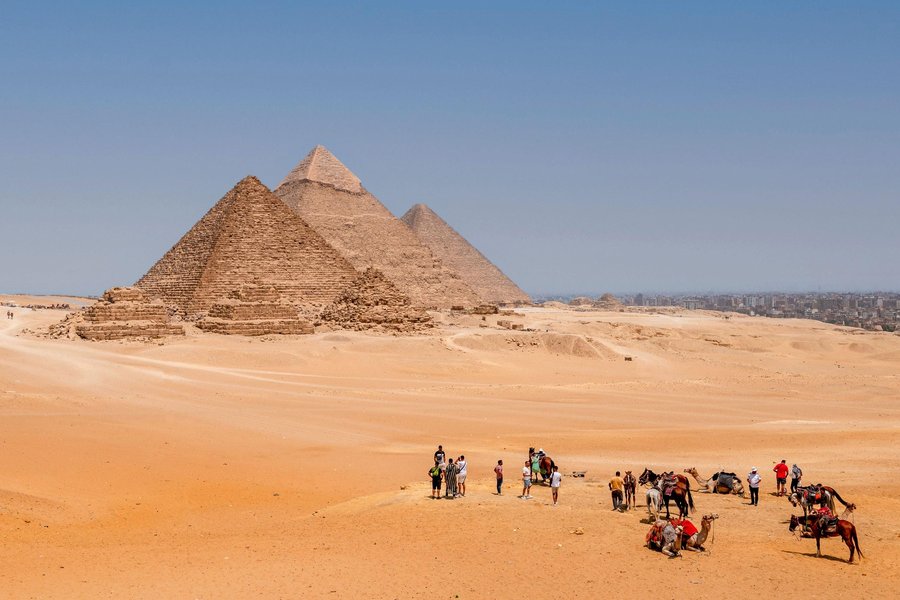
From here, continue to the Giza Plateau to explore the Pyramids of Khufu, Khafra, and Menkaura. You have time to walk the site, take in the scale of the monuments, and view the Great Sphinx and Valley Temple with thoughtful insight from your guide.
Lunch is enjoyed at a local restaurant near the pyramids, offering a relaxed pause before the afternoon concludes.
This evening, you may choose to attend the Sound and Light Show at the Giza Pyramids (optional), before returning to your hotel for the night.
-
3
Day 3
Mediterranean Heritage and History
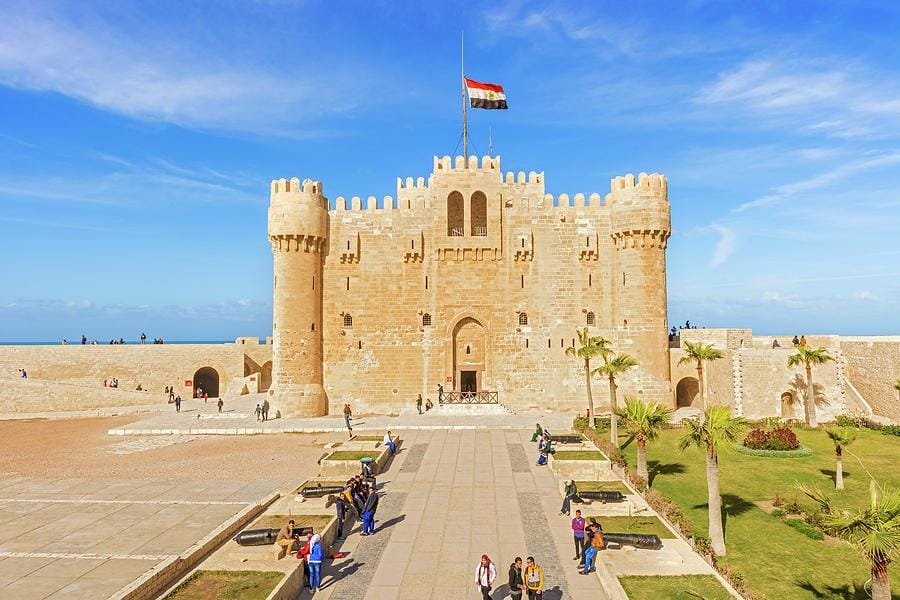
Travel from Cairo to Alexandria by private vehicle, accompanied by your Egyptologist guide, for a day focused on the city’s layered history and coastal atmosphere.
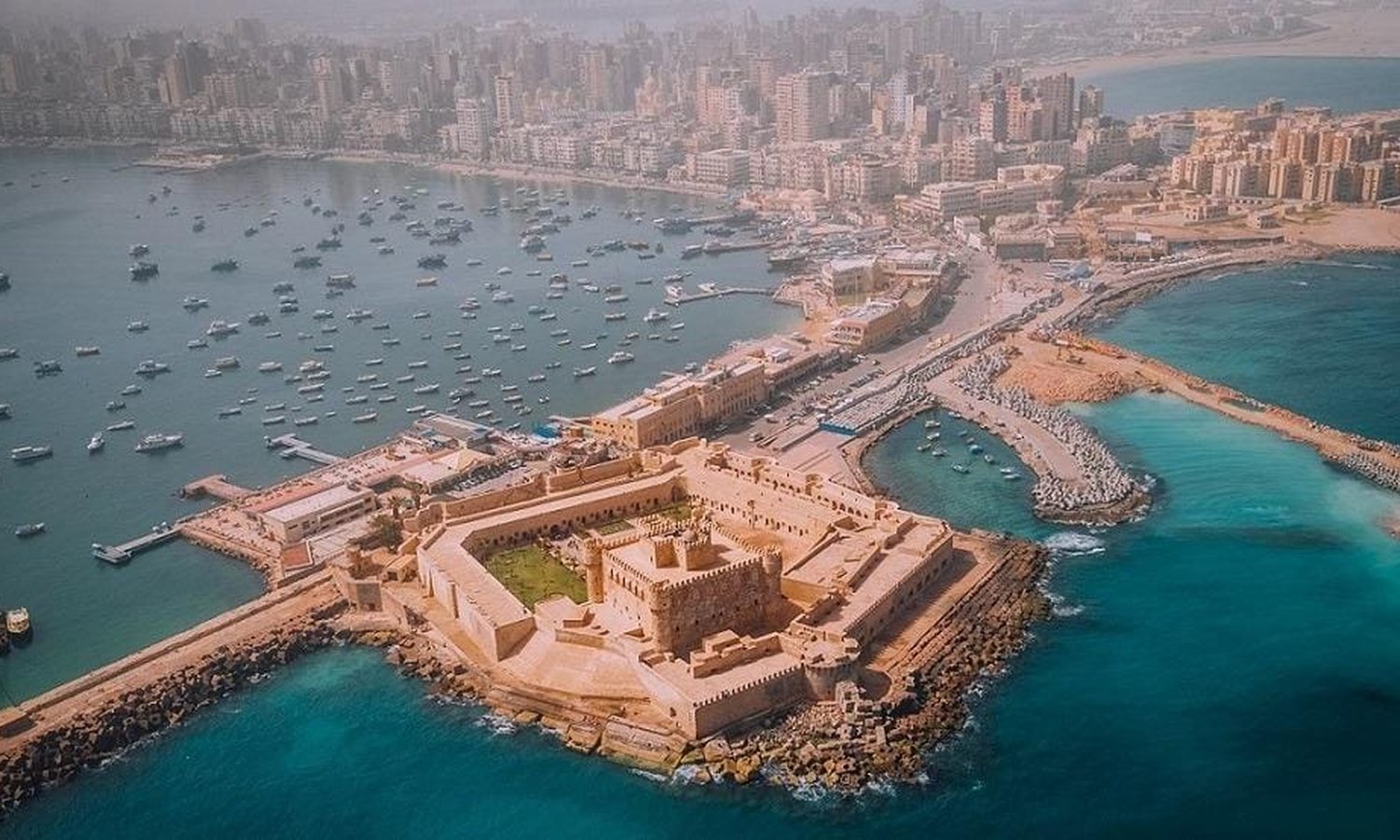
Begin at the Alexandria National Museum, where a curated collection traces the city’s story from the Pharaonic period through the Greco-Roman, Coptic, and Islamic eras. The visit offers a thoughtful introduction to Alexandria’s role as a crossroads of cultures over centuries.
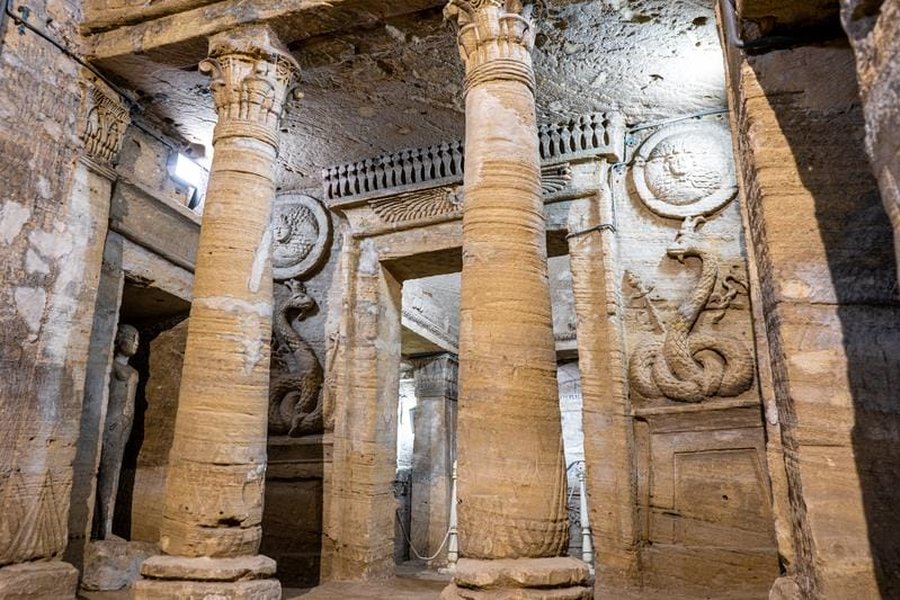
Continue to the Catacombs of Kom El-Shoqafa, an underground burial complex that blends Egyptian and Greco-Roman influences. As you move through its carved chambers, your guide provides context that reveals how traditions and beliefs merged in ancient Alexandria.
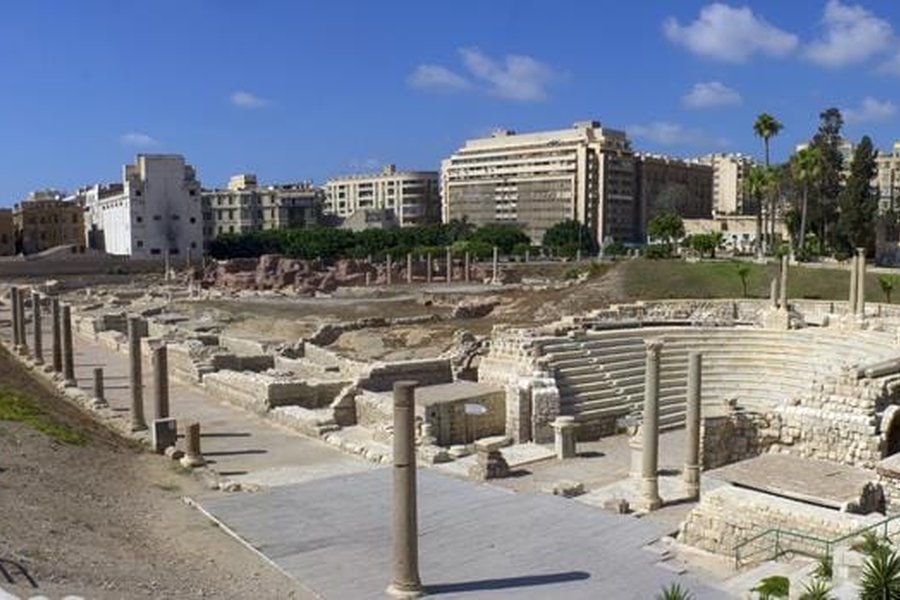
Your exploration continues at the Roman Amphitheater of Kom El-Dikka, a compact yet evocative site that offers insight into public life during the Roman period.
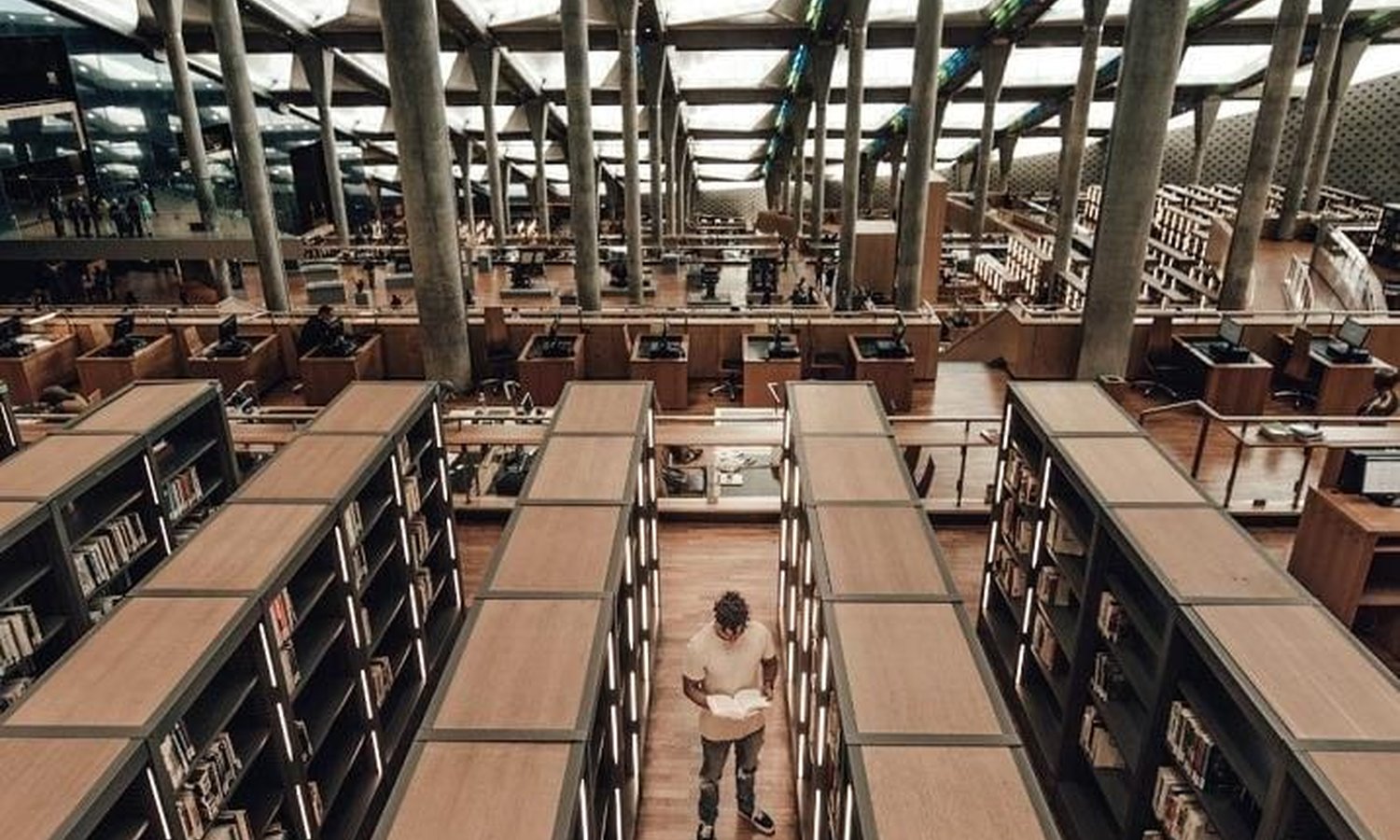
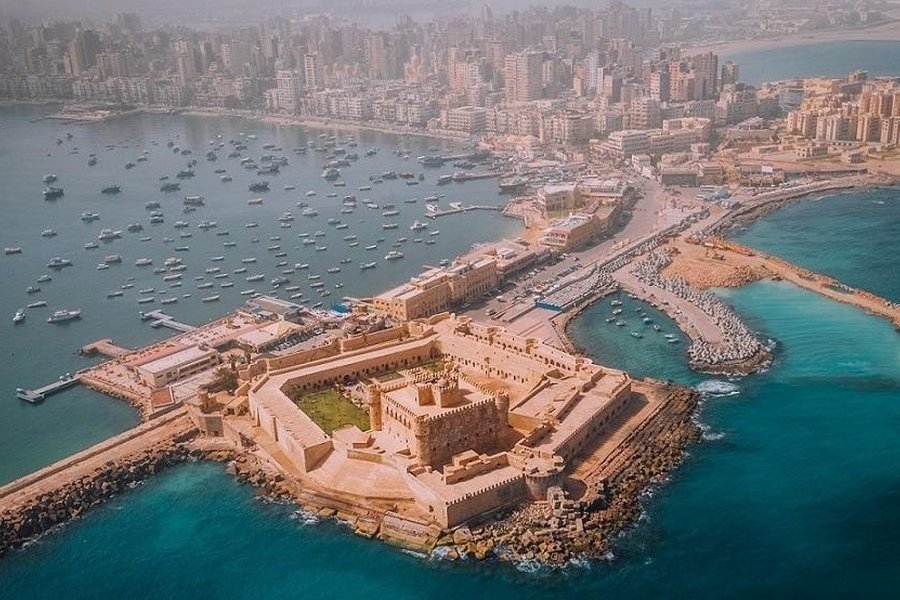
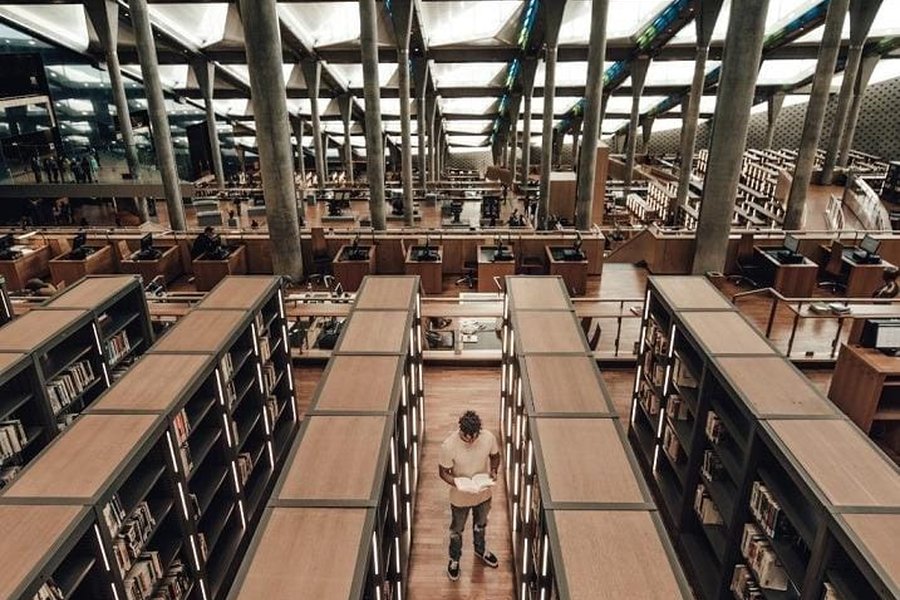
Lunch is enjoyed at a local restaurant before concluding the day at the Bibliotheca Alexandrina. Positioned along the Mediterranean waterfront, the modern library stands near the site of the ancient Library of Alexandria and reflects the city’s enduring connection to knowledge and learning.
In the late afternoon, return to Cairo by private vehicle.
-
4
Day 4
Nature, History, and Serenity
Depart from your hotel by private vehicle and travel to the Fayoum Oasis, accompanied by your private guide for a day of discovery beyond the usual routes.
Begin at the Kom Aushim Museum, which provides a helpful introduction to the region’s history, with artifacts spanning from prehistoric times through the Greco-Roman period, including notable Fayoum portraits.
Continue to Karanis, one of the largest Greco-Roman settlements in Fayoum, where the remains of temples and residential areas offer insight into daily life during the Ptolemaic and Roman eras.
Visit Hawara, the site of the pyramid complex of Amenemhat III, and learn about Fayoum’s importance during Egypt’s Middle Kingdom.
Lunch is enjoyed beside Lake Qarun, providing a relaxed break and views across one of Egypt’s oldest natural lakes.
In the afternoon, explore Wadi El Rayan, a protected natural area known for its desert landscapes and waterfalls, offering a striking contrast to the historical sites visited earlier in the day.
Later, continue to the Meidum Pyramid, an early experiment in pyramid construction, whose distinctive form reflects the architectural transition from stepped to true pyramids.
In the evening, transfer to your hotel in Fayoum for check-in and overnight.
-
5
Day 5
Desert Wonders and Ancient Stones
Early in the morning, depart from your hotel in Fayoum and drive toward Bahariya Oasis, accompanied by your guide. Along the way, brief stops allow you to stretch and enjoy coffee as the landscape slowly transitions from cultivated land to desert.
Upon arrival, explore Bahariya’s highlights, including the tombs at Qasr Selim and the Museum of the Golden Mummies, offering insight into the oasis’s rich history. Meet your safari guide and board a 4x4 for an adventure into the surrounding desert.
Travel to the Black Desert, named for the dark volcanic hills that rise from the sands, before enjoying lunch at El Haize Oasis. Here, a warm spring invites you to relax, soak, and feel the desert’s quiet calm. The nearby Water Museum reveals the ingenuity behind the oasis’s irrigation and ancient water systems.
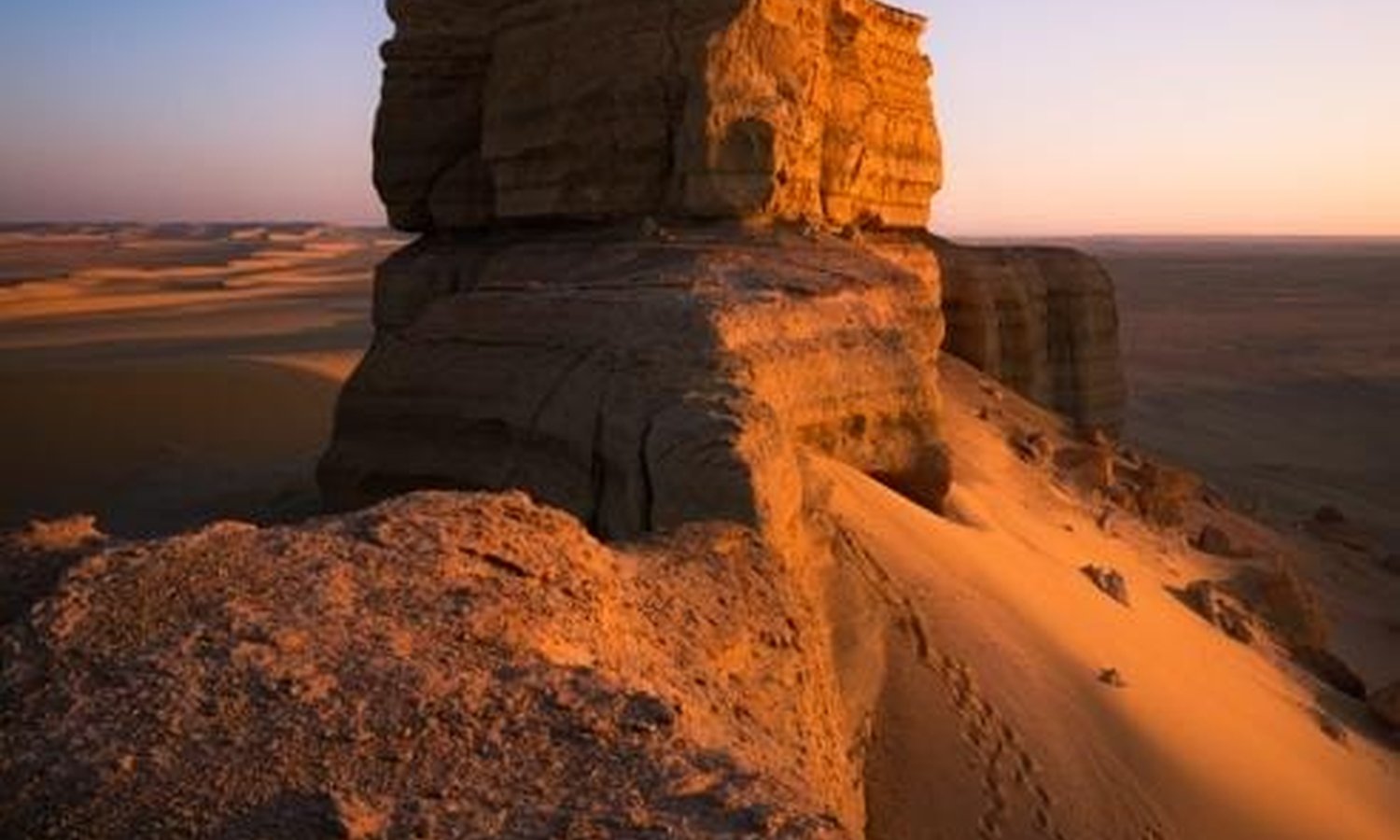
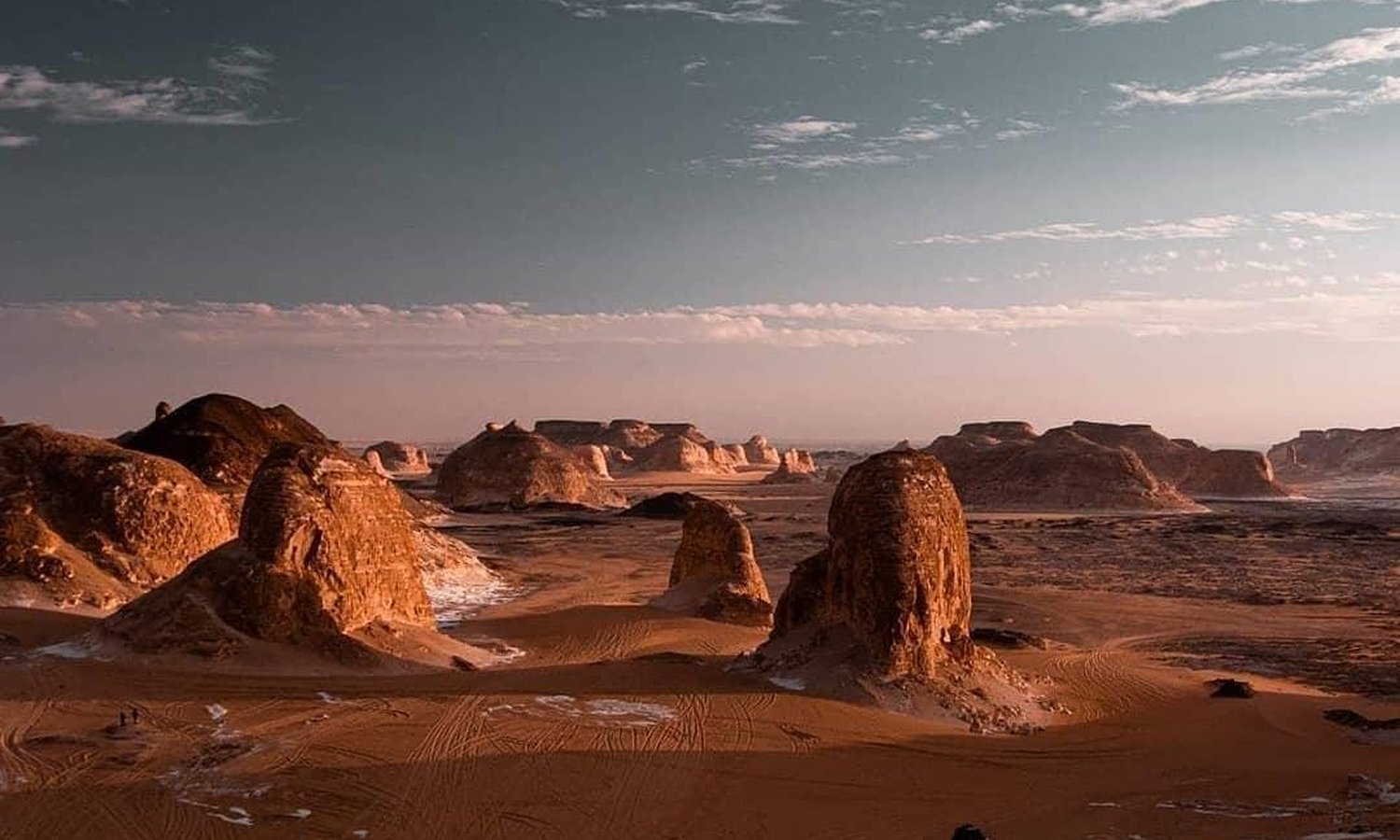
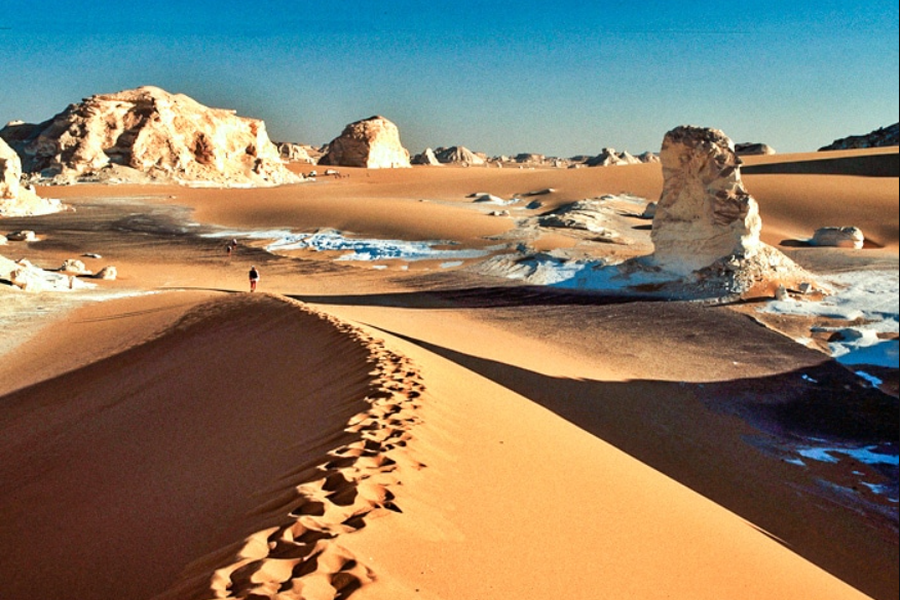
In the afternoon, venture deep into the White Desert National Park. Discover Wadi el Agabat, admire the sculpted landscapes of limestone and chalk, and experience sandboarding on the dunes. Stop at Crystal Mountain, a hill glimmering with quartzite formations that catch the sun’s rays. As you explore, notice the desert’s iconic rock formations—camels, sphinxes, mushrooms—shaped by millennia of wind and sand.
As evening falls, set up camp among the rocks. Watch the sky transform from soft pinks to fiery oranges while sitting around a small fire. A simple, hearty meal is served under the stars, and comfortable tents, sleeping bags, and mattresses are provided for overnight camping. (Vegetarian options are available.)
Note: Nights in the White Desert can be cold. A warm jacket is recommended, but all essential camping gear is supplied for a safe and comfortable experience.
-
6
Day 6
Sculpted Landscapes and Oasis Life
Begin your day with a sunrise in the White Desert before departing for Farafra Oasis. The soft morning light casts long shadows across the desert, offering a quiet moment to savor the stillness of the landscape.
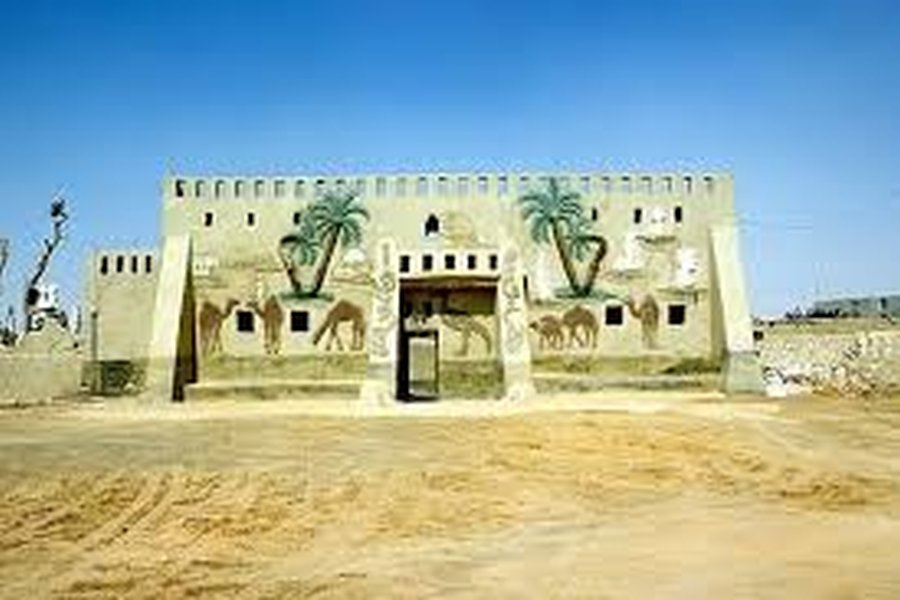
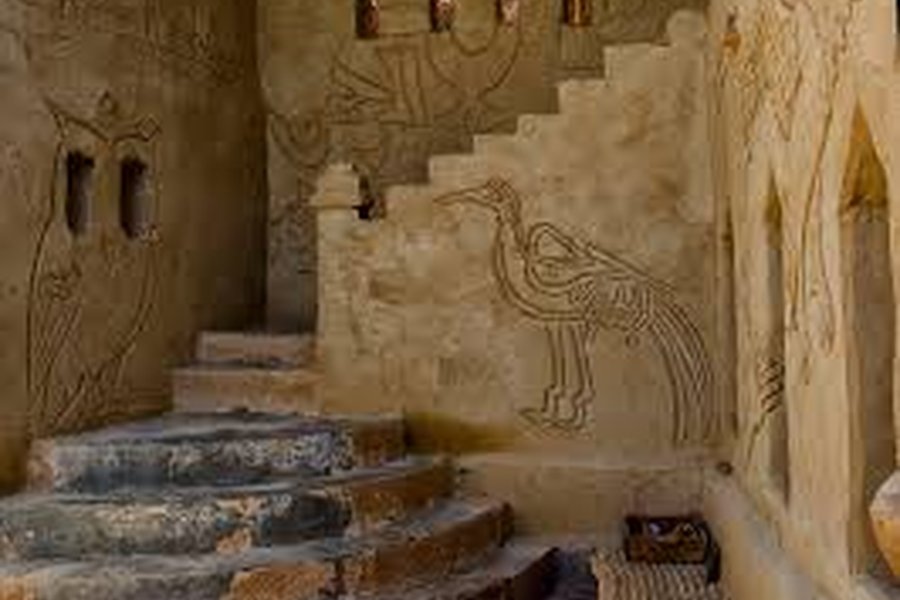
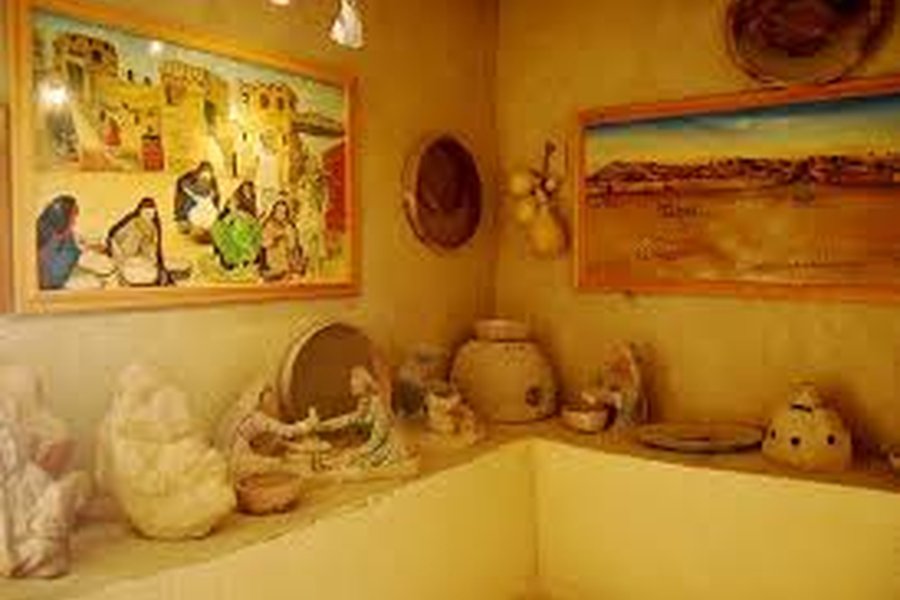
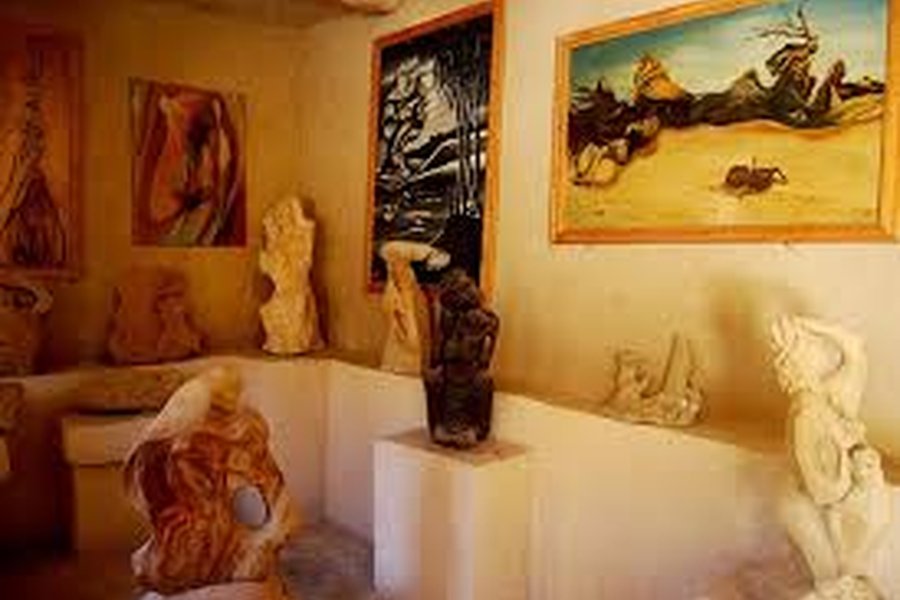
Your first stop is Badr’s Museum in the village of Qasr, a testament to the creativity and spirit of a local artist who captured daily life in sculpture, painting, and watercolors. The museum itself, constructed from traditional mudbrick, reflects the artistry of the oasis and the life of the people who call it home.
Continue to the Fortress of Farafra, which crowns the hills above the village. Once a protective stronghold for the local inhabitants, the fortress provides sweeping views of the surrounding desert and a tangible sense of history.
After exploring Farafra, travel toward Asyout for overnight stay at your hotel, reflecting on the deserts, villages, and history experienced along the way.
-
7
Day 7
Pharaohs and Ancient Capitals
Depart from Asyout and travel to Al Minya, a city steeped in ancient Egyptian history. Upon arrival, meet your guide and begin the day’s exploration.
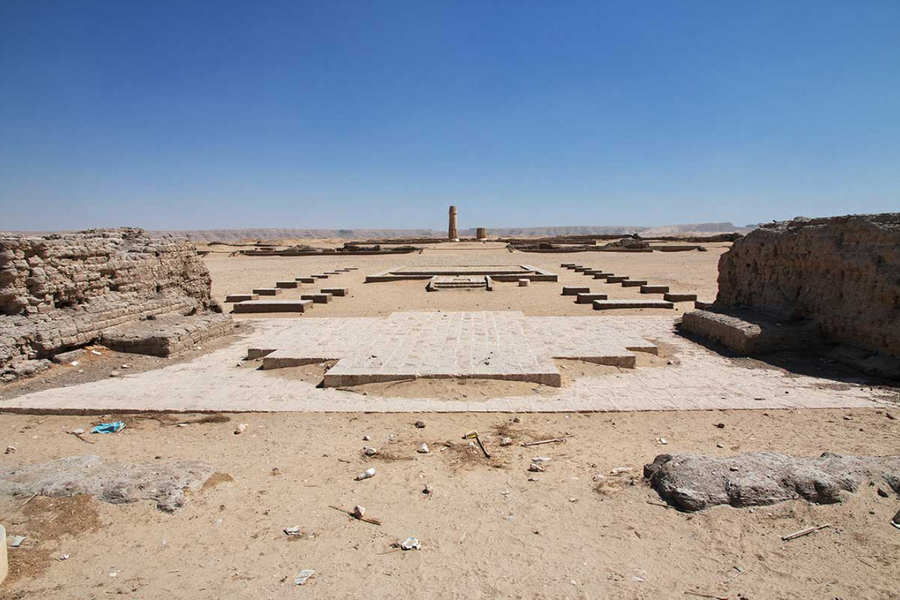
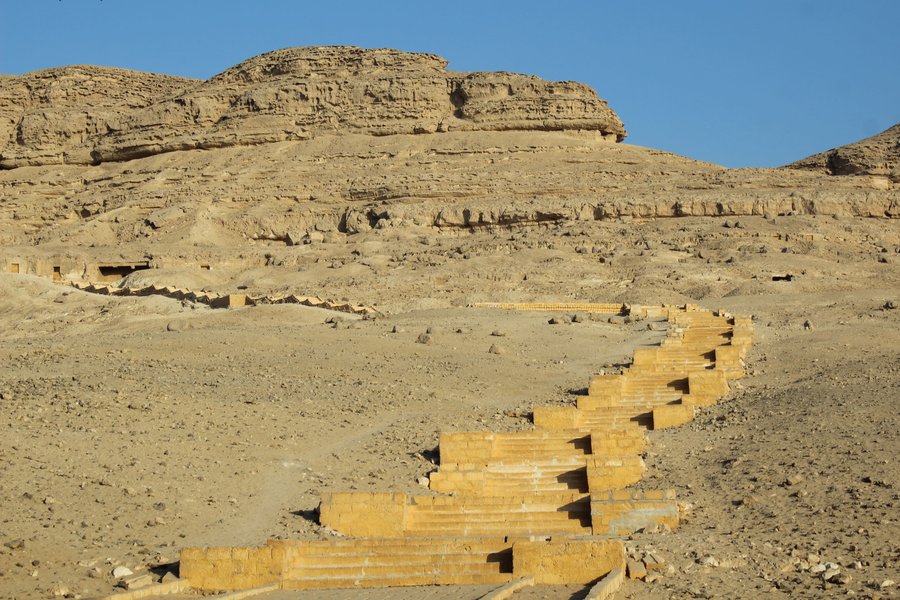
Start with Tell El-Amarna, the capital city built by Akhenaton. Walk among the ruins and discover the tombs of high officials, learning about the art, culture, and unique ideas of this extraordinary period. Visit the Royal Tomb of Akhenaton, offering a rare glimpse into the resting place of the pharaoh himself.
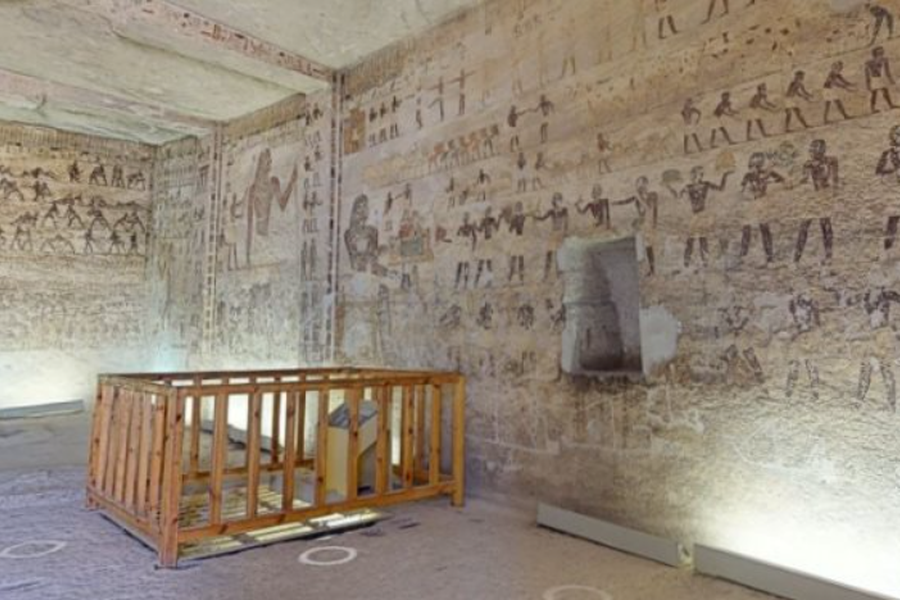
Continue to Bani Hassan, a village south of El Minya, to explore the tombs of local rulers. These well-preserved sites provide fascinating insight into the daily life and artistry of ancient Egypt. Pause for lunch in Bani Hassan, enjoying a moment to rest and reflect.
In the afternoon, visit Tuna el Gebel, the necropolis that served the ancient town of Khmun (Hermopolis). Explore the Tomb of Petosiris, the Tomb of Isadora, and El Ashmunein, a site dedicated to Thoth, the god of wisdom. Colossal statues and stelae mark the significance of the area and its long-standing spiritual importance.
Conclude the day with a transfer to your hotel in Minya for overnight stay.
-
8
Day 8
Sacred Hills and Timeless Faith
Depart from El Minya and drive to Deir Gabal Al-Tayr, also known as the Church of the Virgin Mary. Perched atop a hill on the eastern bank of the Nile, this sacred site is linked to the journey of the Holy Family through Egypt. Your guide shares the history of the church, once a Roman temple, now preserving centuries of spiritual heritage and ancient architecture.
Continue to Akhmim, a city with roots stretching back to ancient Egypt when it was known as Panopolis. Here, the remnants of temples and monuments hint at the city’s importance as a religious and cultural center along the Nile. Explore the area with your guide, learning about its legacy and stories passed through generations.
In the late afternoon, transfer to your hotel in Abydos for overnight stay.
-
9
Day 9
Temples of the Gods and Pharaohs
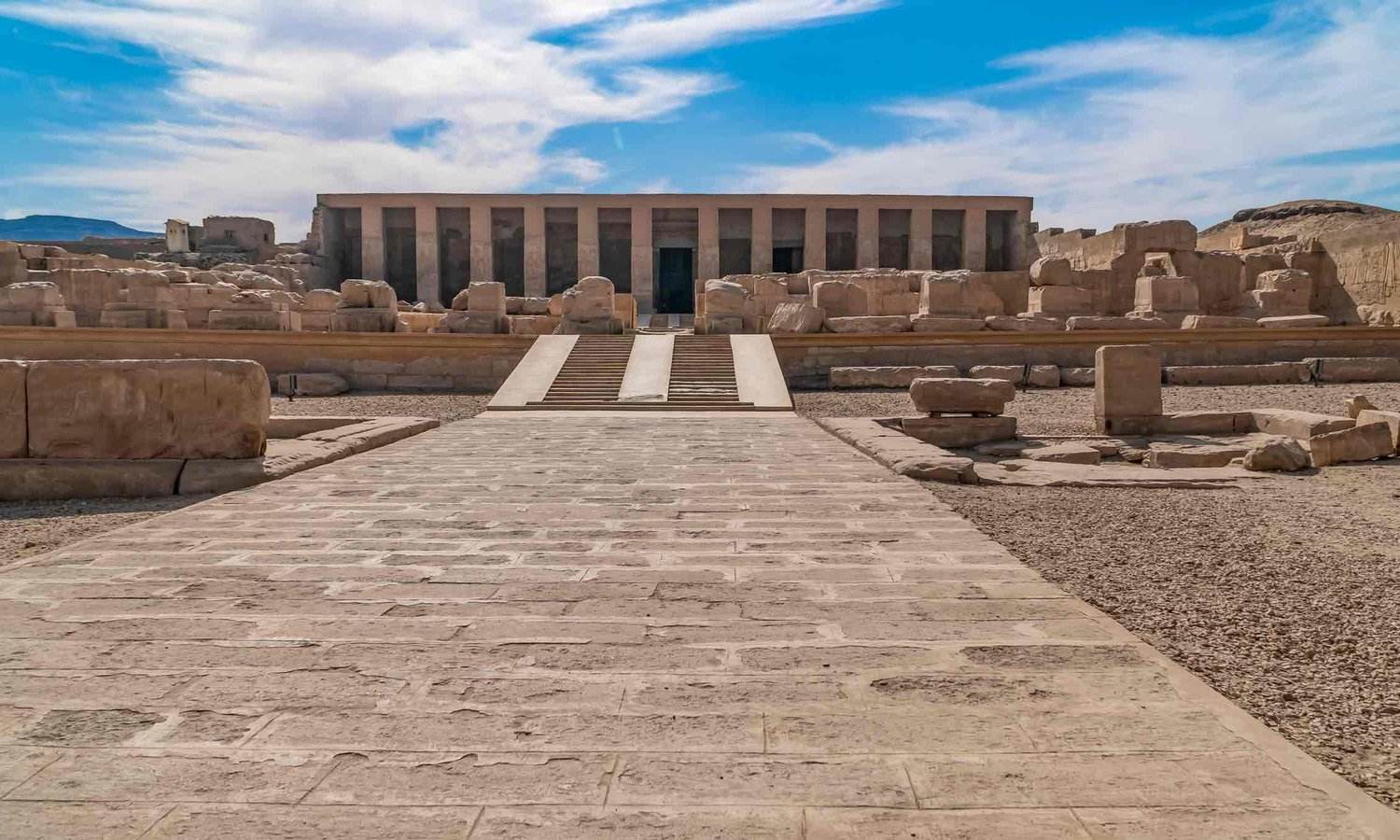
After breakfast, depart from Abydos for the Temple of Seti I, one of Egypt’s most sacred archaeological sites. Explore the temple and its surroundings, where early pharaohs were buried, and learn about the city’s spiritual significance in ancient Egyptian beliefs.
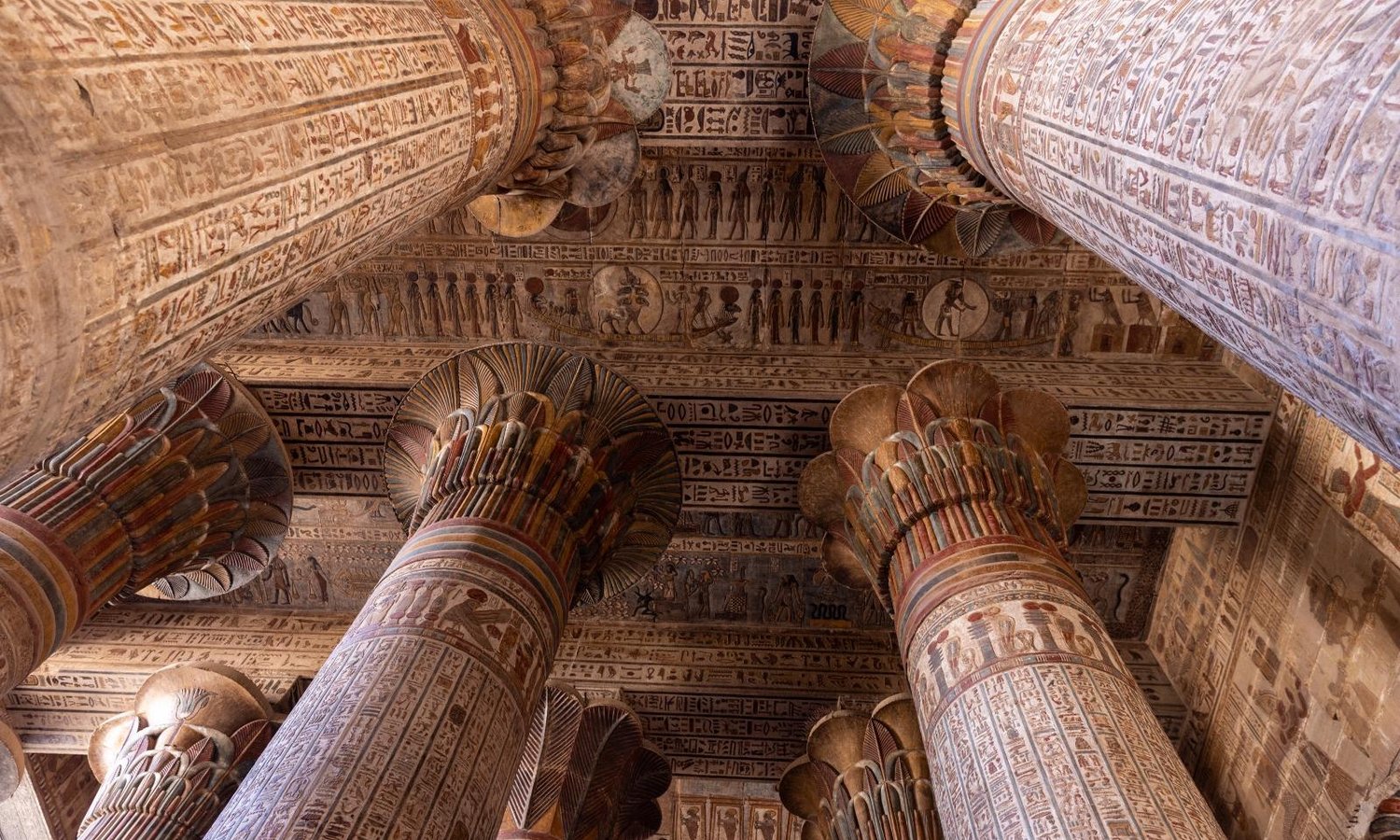
Continue to Dendera to visit the Temple of Hathor, goddess of love, music, and healing. Wander through the beautifully preserved halls adorned with reliefs of Cleopatra VII and her son Caesarion, and discover how pilgrims once sought blessings and healing within this sacred complex.
After exploring Dendera, drive to Luxor, where you will check in to your hotel for overnight stay.
-
10
Day 10
The Heart of Thebes
After breakfast, your Egyptologist guide will accompany you to Karnak Temple, one of the most iconic sites in Egypt. Wander through the sprawling complex, with its towering columns and sacred halls, and gain insight into the devotion and craftsmanship that shaped generations of builders.
Next, visit Luxor Temple on the east bank of the Nile, a site central to ancient rituals and festivals. Explore the beautifully preserved courtyards and halls, and discover the stories of pharaohs who once walked these sacred spaces.
Enjoy lunch at a local restaurant with views of the Nile, providing a moment to relax and take in the riverside scenery.
In the evening, you may choose to attend the optional Sound and Light Show at Karnak Temple. The illuminated monuments and narrated history bring the grandeur of ancient Thebes to life under the stars.
After the show, return to your hotel in Luxor for overnight stay, with the evening at your leisure to explore or rest.
-
11
Day 11
Deserts of the Pharaohs
Begin the day with the optional hot air balloon ride over the Valley of the Kings. Rise early to watch the desert and monuments bathed in the soft glow of sunrise, experiencing Luxor from a unique perspective above the Nile and the surrounding cliffs.
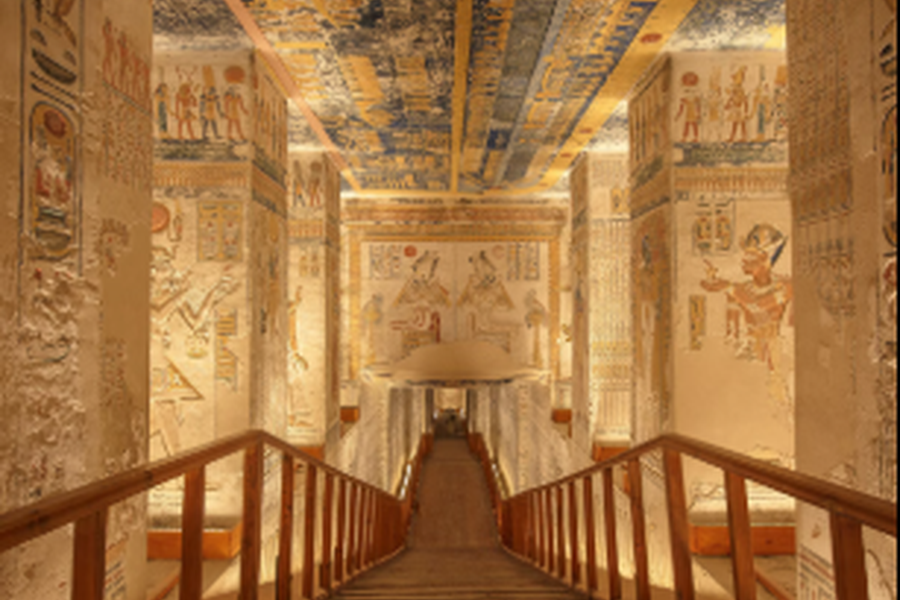
After breakfast at your hotel, explore Luxor’s West Bank with your guide. Visit the Valley of the Kings, the burial place of Egypt’s pharaohs, including Tutankhamun. Wander among the tombs carved into the cliffs and imagine the rituals and lives of those who built them.
Continue to the Colossi of Memnon, two towering statues that once flanked a grand temple complex, and then to the Temple of Queen Hatshepsut, a striking monument rising in terraces from the desert floor, harmoniously merging with the cliffs behind it.
After a day of exploration, return to your hotel in Luxor for overnight stay, with the evening at leisure.
-
12
Day 12
Monuments, Tombs, and Timeless Art
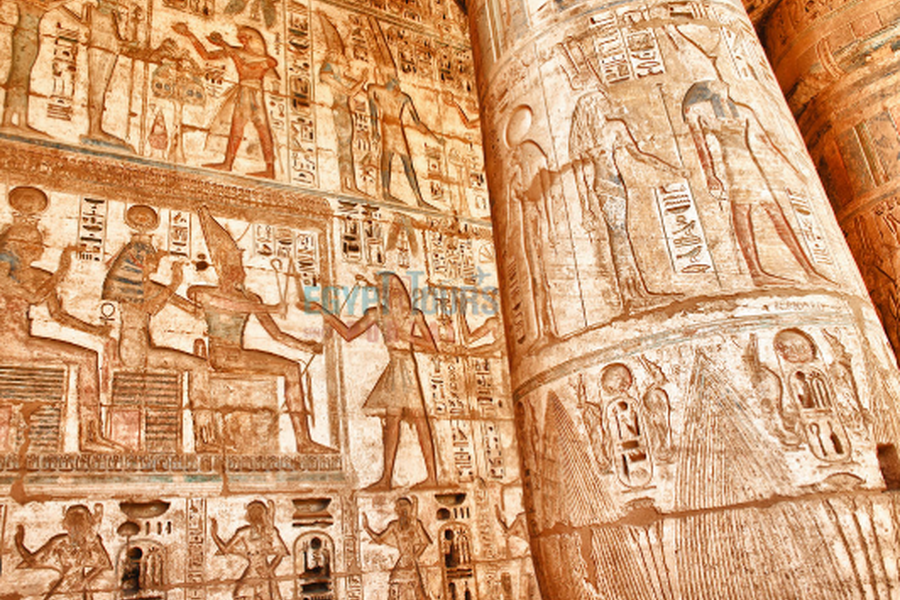
After breakfast, depart with your guide to explore the West Bank of Luxor, beginning with Madinet Habu Temple. Walk through the temple’s grand halls and towering walls, and learn about its role in the lives of pharaohs and priests, including Ramses III.
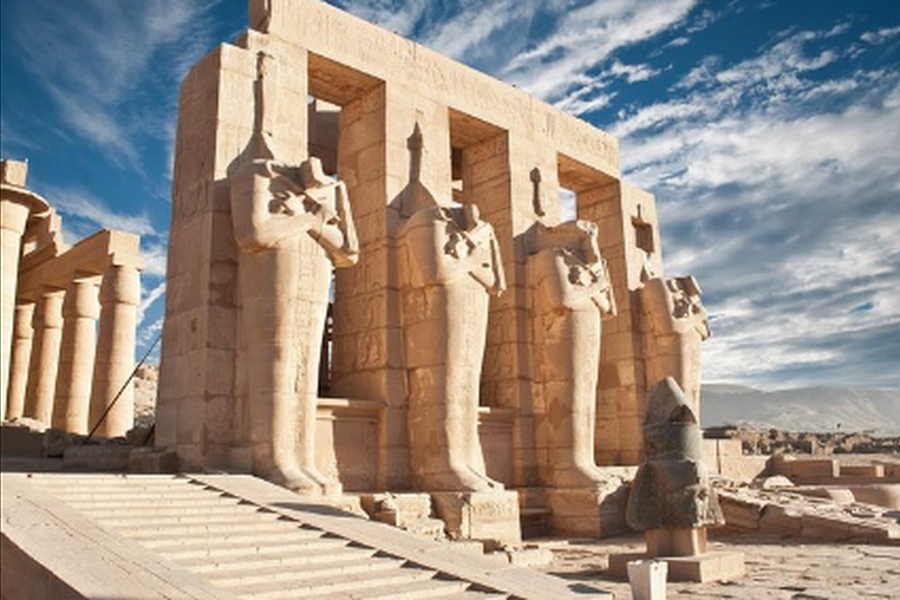
Continue to the Ramesseum, the funerary temple of Ramses II, where reliefs depict battles, ceremonies, and the grandeur of ancient Egypt. Marvel at the monumental architecture and imagine life in the time of one of Egypt’s most celebrated rulers.
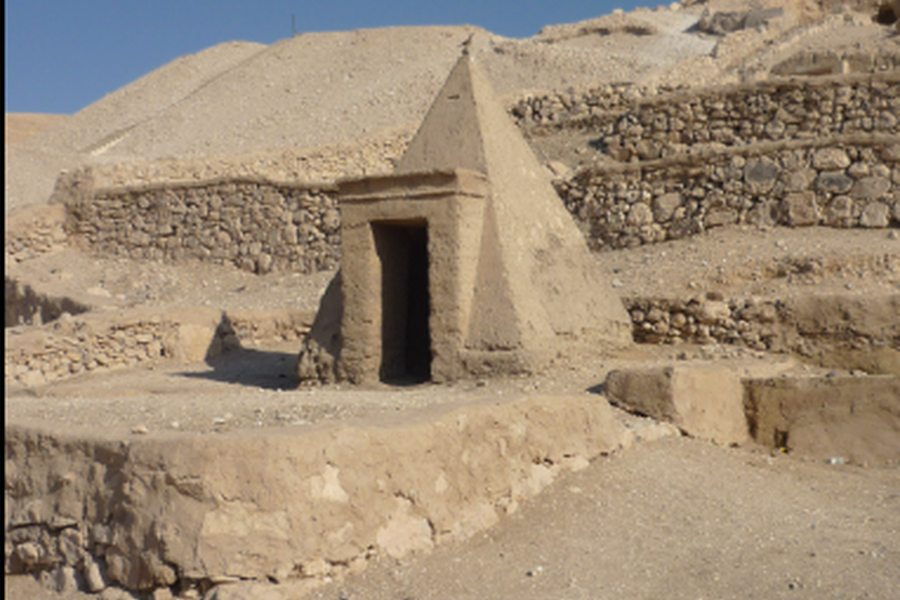
Visit Deir el-Medina, the village of the artisans who built the royal tombs. Explore the hillside cemetery and see how these skilled workers honored the afterlife in their tombs and offerings.
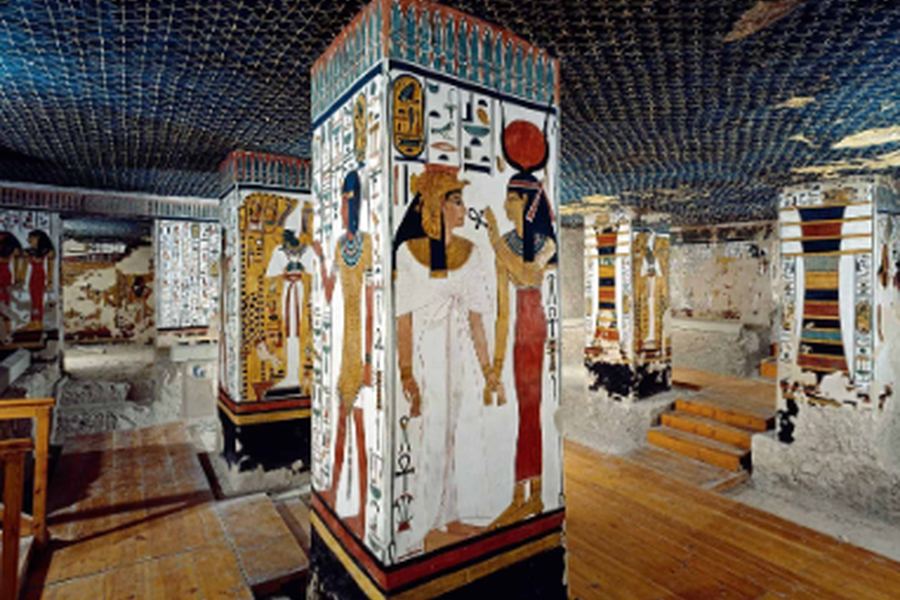
After a midday lunch break, continue to the Valley of the Queens. Wander among the tombs of pharaohs’ wives and royal children, including the famous tomb of Queen Nefertari, and appreciate the intricate decorations and serene desert setting.
In the evening, you may choose to attend the optional Sound and Light Show at Karnak Temple, where the illuminated monuments and narrated history bring the achievements of the pharaohs to life.
Return to your hotel in Luxor for overnight stay.
-
13
Day 13
Temples on the Nile
Begin the day with breakfast at your hotel before setting off to explore Aswan.
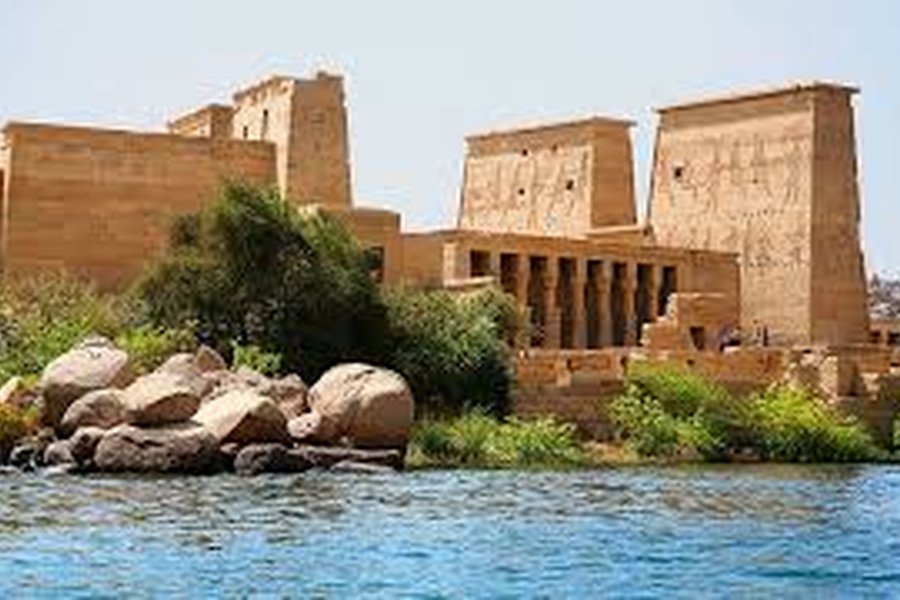
Your first stop is the Temple of Philae, dedicated to the goddess Isis. Perched on Philae Island, the temple is a serene and beautifully preserved example of classical Egyptian architecture, offering a glimpse into the final chapters of ancient worship along the Nile.
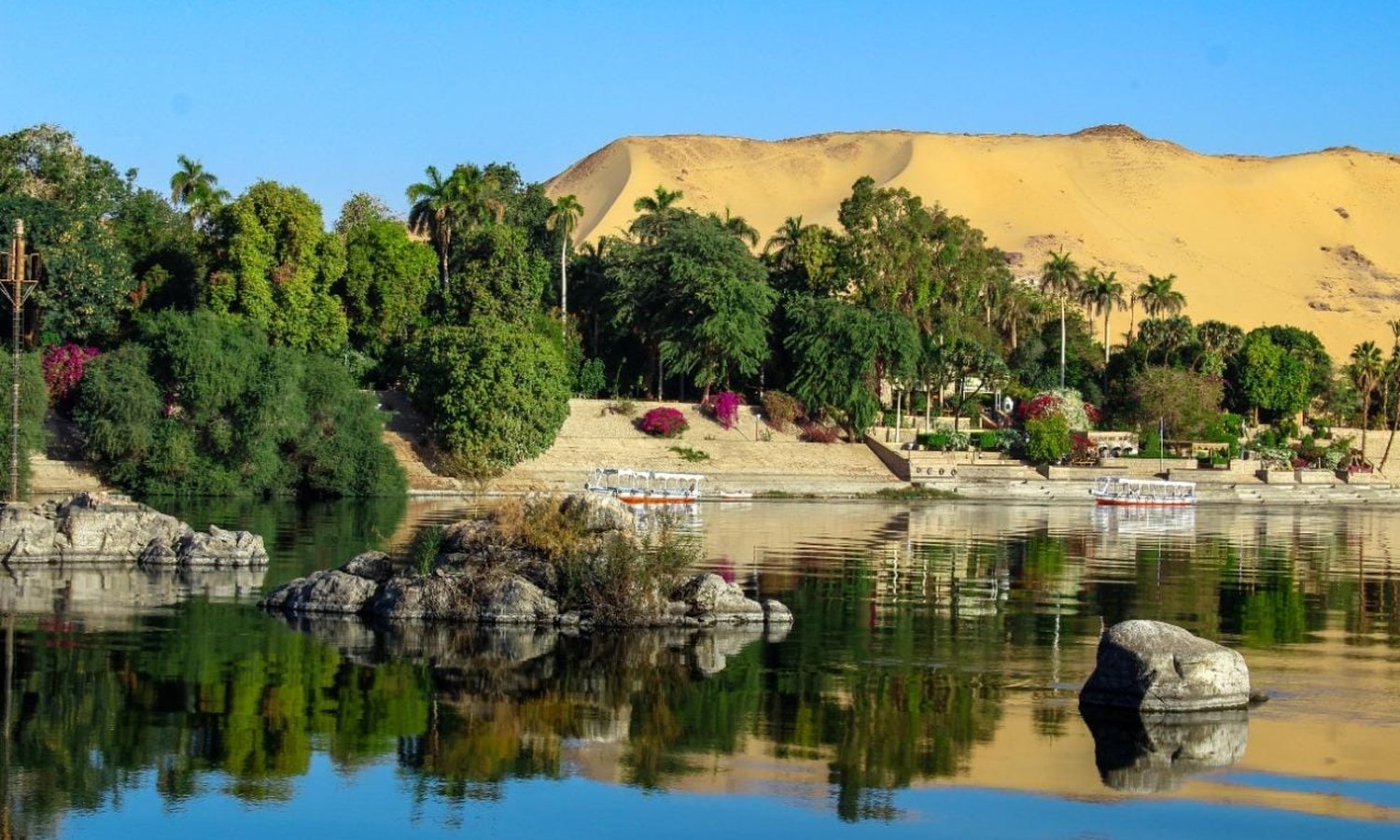
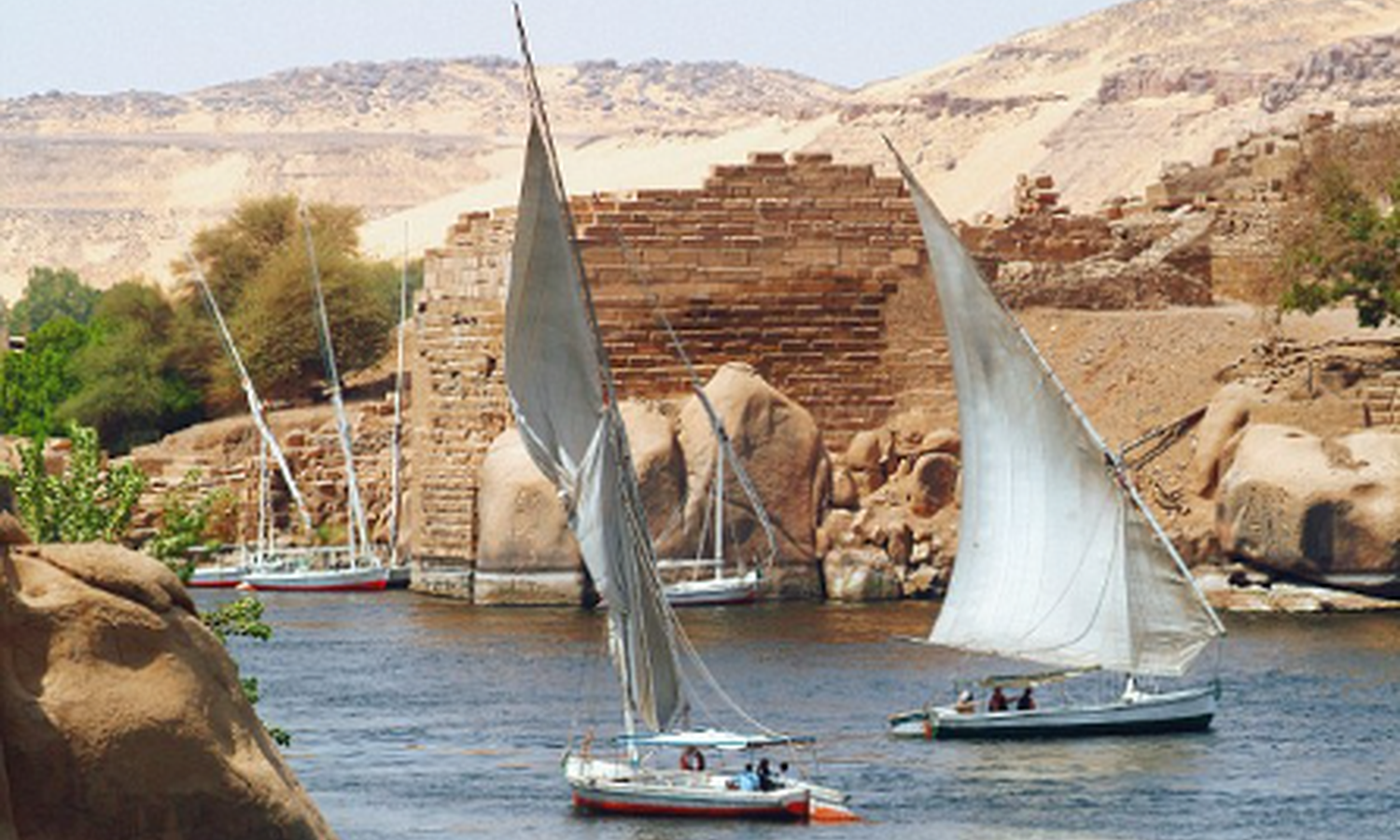
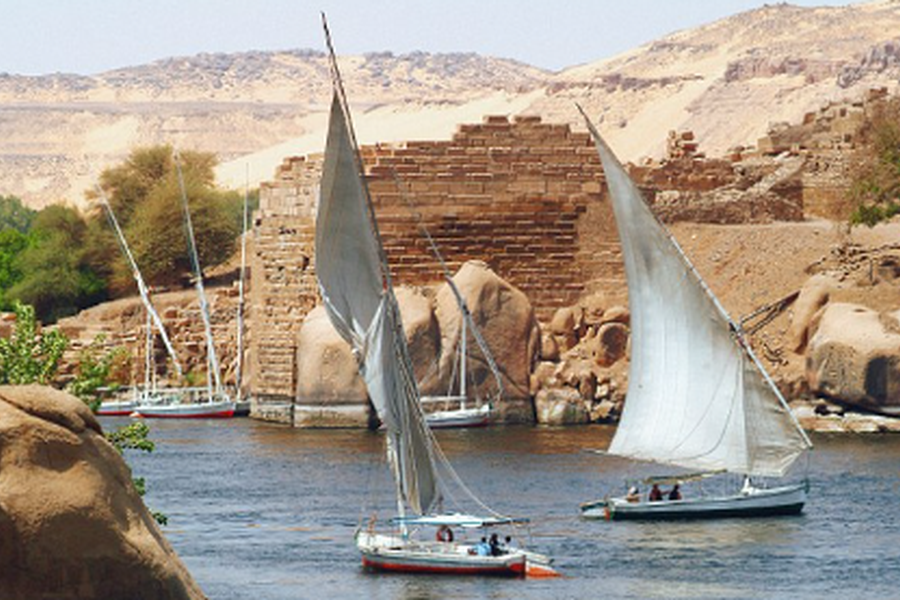
After exploring the temple, enjoy a leisurely felucca ride around Elephantine Island. From the water, take in views of the Aswan High Dam and the Unfinished Obelisk, which reveals the remarkable skill of ancient stone carvers.
Pause for a traditional lunch in Aswan, savoring local flavors while reflecting on the day’s sights.
Conclude your day with transfer to your hotel in Aswan for overnight stay.
-
14
Day 14
Ramses’ Monumental Legacy
Begin your day with breakfast on board the cruise before setting out early from Aswan for Abu Simbel. The journey across the desert is scenic, building anticipation for one of Egypt’s most iconic sites.
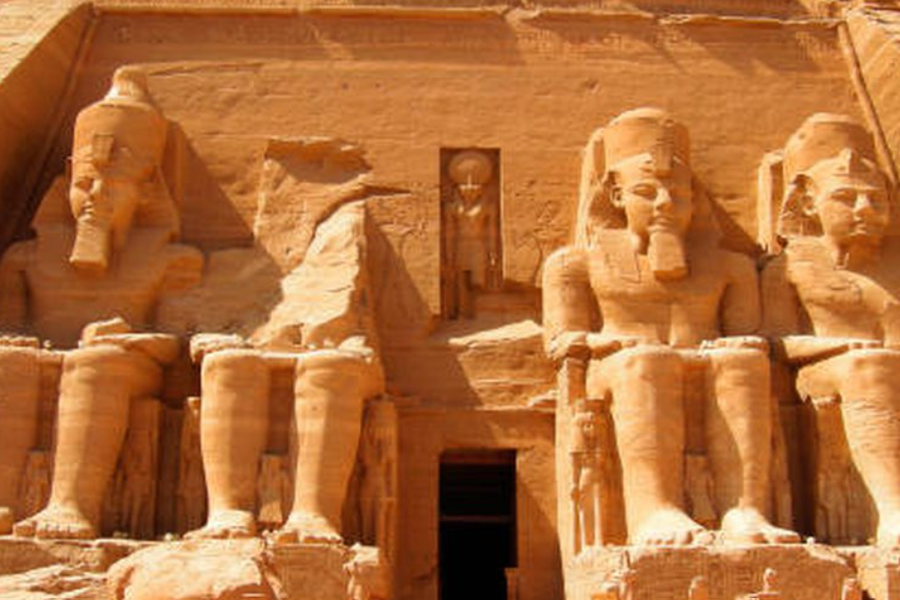
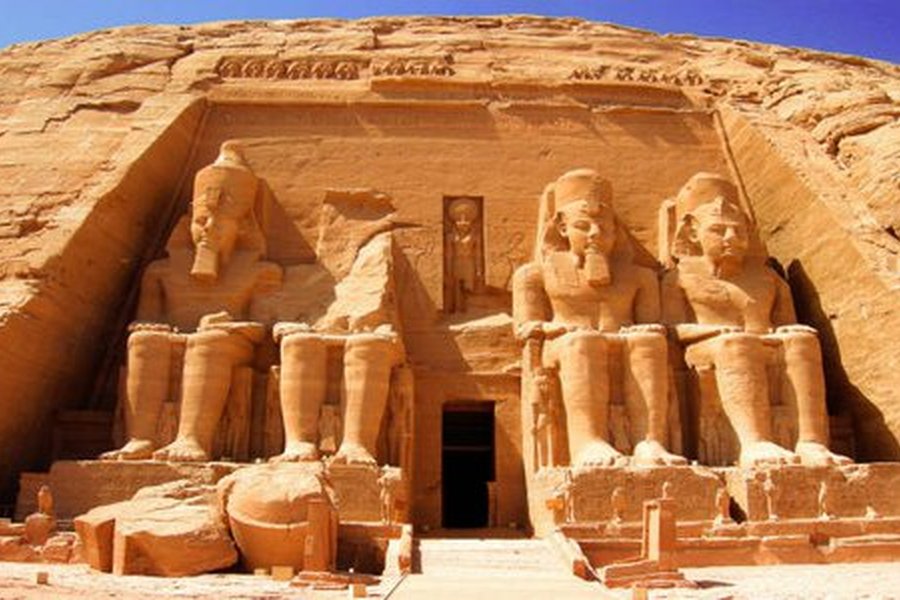
Upon arrival, explore the magnificent Abu Simbel Temples. The Great Temple, carved into the mountainside, features four colossal statues of Ramses II and honors the gods Ra-Harakhty, Amun-Ra, and Ptah. The smaller temple, dedicated to Queen Nefertari and the goddess Hathor, showcases exquisite carvings and artistry. Both temples were carefully relocated in a UNESCO-led project, preserving their grandeur for generations to come.
After this unforgettable visit, return to Aswan for a traditional lunch.
For those who wish, continue with an optional visit to the Nubian Village. Stroll through the vibrant, colorful houses, experience local art, and immerse yourself in the warmth and culture of Nubian life.
Conclude the day with dinner and overnight stay at your hotel in Aswan.
-
15
Day 15
Farewell to Timeless Egypt
After an early breakfast, you will be transferred to Aswan Airport for your international departure. As you leave Egypt, take with you the memories of ancient temples, sweeping deserts, and the timeless beauty of the Nile.
Your Experience Map
Detailed Itinerary
Day 1
Welcome to the Heart of Egypt!
Upon arrival at Cairo International Airport, you are met and assisted by our representative, who helps guide you smoothly through arrival formalities.
A private, air-conditioned vehicle is arranged for your transfer to the hotel, allowing you to settle in comfortably and check in at your own pace.
Day 2
A Day Among Kings and Treasures
This morning, you begin the day with a visit to the Grand Egyptian Museum, where carefully curated galleries trace Egypt’s history across multiple periods. Your guide helps focus the experience on key highlights, allowing time to absorb the stories behind some of the country’s most important artifacts.
From here, continue to the Giza Plateau to explore the Pyramids of Khufu, Khafra, and Menkaura. You have time to walk the site, take in the scale of the monuments, and view the Great Sphinx and Valley Temple with thoughtful insight from your guide.
Lunch is enjoyed at a local restaurant near the pyramids, offering a relaxed pause before the afternoon concludes.
This evening, you may choose to attend the Sound and Light Show at the Giza Pyramids (optional), before returning to your hotel for the night.

Day 3
Mediterranean Heritage and History
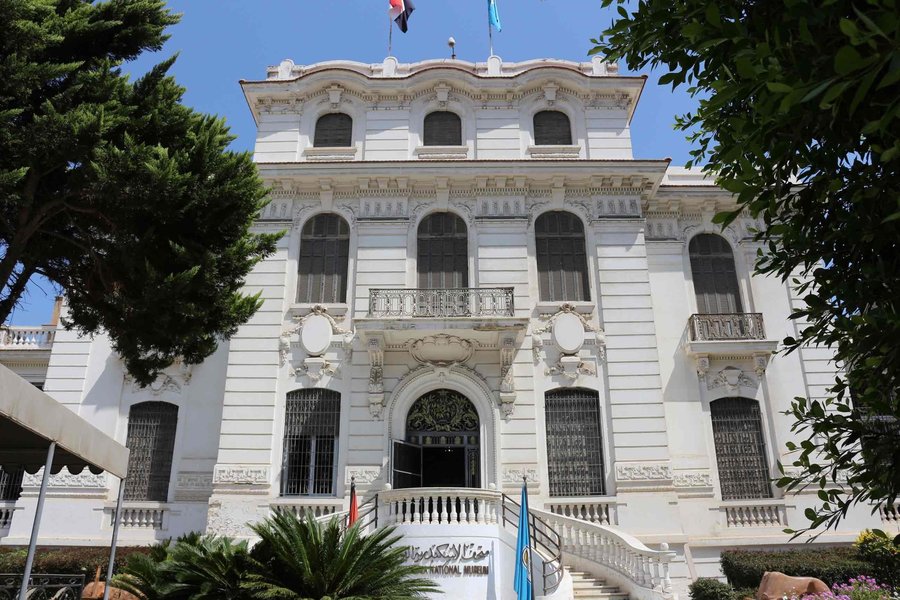
Travel from Cairo to Alexandria by private vehicle, accompanied by your Egyptologist guide, for a day focused on the city’s layered history and coastal atmosphere.
Begin at the Alexandria National Museum, where a curated collection traces the city’s story from the Pharaonic period through the Greco-Roman, Coptic, and Islamic eras. The visit offers a thoughtful introduction to Alexandria’s role as a crossroads of cultures over centuries.
Continue to the Catacombs of Kom El-Shoqafa, an underground burial complex that blends Egyptian and Greco-Roman influences. As you move through its carved chambers, your guide provides context that reveals how traditions and beliefs merged in ancient Alexandria.
Your exploration continues at the Roman Amphitheater of Kom El-Dikka, a compact yet evocative site that offers insight into public life during the Roman period.
Lunch is enjoyed at a local restaurant before concluding the day at the Bibliotheca Alexandrina. Positioned along the Mediterranean waterfront, the modern library stands near the site of the ancient Library of Alexandria and reflects the city’s enduring connection to knowledge and learning.
In the late afternoon, return to Cairo by private vehicle.
Day 4
Nature, History, and Serenity
Depart from your hotel by private vehicle and travel to the Fayoum Oasis, accompanied by your private guide for a day of discovery beyond the usual routes.
Begin at the Kom Aushim Museum, which provides a helpful introduction to the region’s history, with artifacts spanning from prehistoric times through the Greco-Roman period, including notable Fayoum portraits.
Continue to Karanis, one of the largest Greco-Roman settlements in Fayoum, where the remains of temples and residential areas offer insight into daily life during the Ptolemaic and Roman eras.
Visit Hawara, the site of the pyramid complex of Amenemhat III, and learn about Fayoum’s importance during Egypt’s Middle Kingdom.
Lunch is enjoyed beside Lake Qarun, providing a relaxed break and views across one of Egypt’s oldest natural lakes.
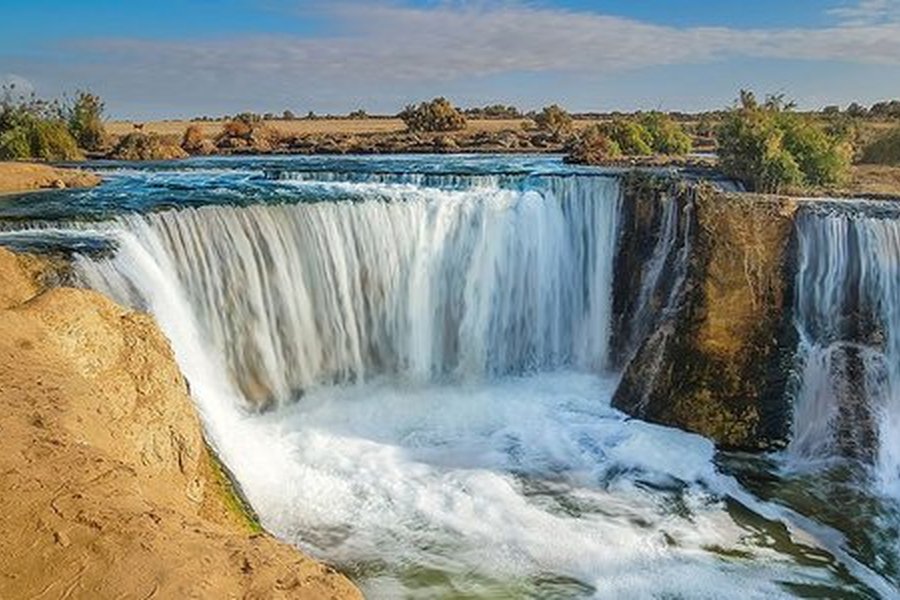
In the afternoon, explore Wadi El Rayan, a protected natural area known for its desert landscapes and waterfalls, offering a striking contrast to the historical sites visited earlier in the day.
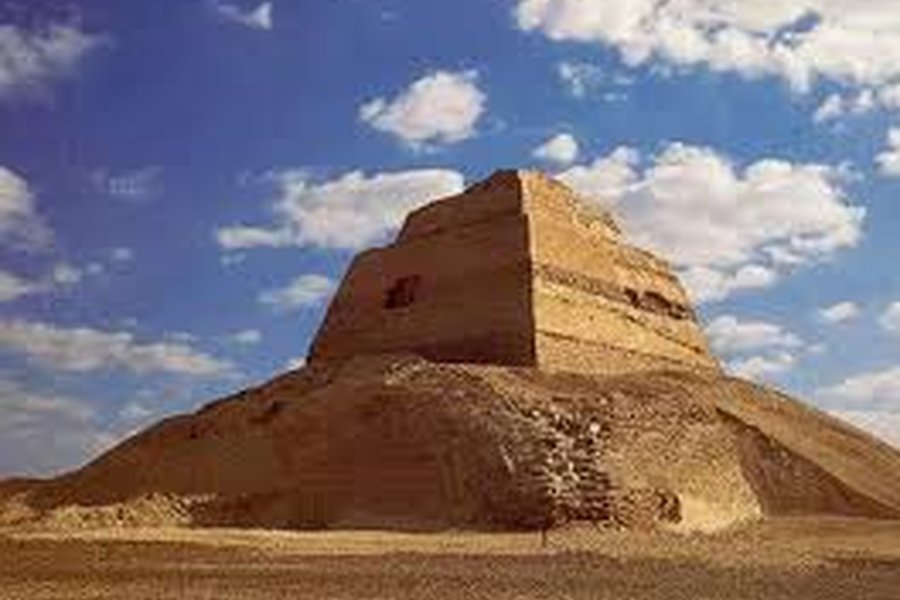
Later, continue to the Meidum Pyramid, an early experiment in pyramid construction, whose distinctive form reflects the architectural transition from stepped to true pyramids.
In the evening, transfer to your hotel in Fayoum for check-in and overnight.

Day 5
Desert Wonders and Ancient Stones
Early in the morning, depart from your hotel in Fayoum and drive toward Bahariya Oasis, accompanied by your guide. Along the way, brief stops allow you to stretch and enjoy coffee as the landscape slowly transitions from cultivated land to desert.
Upon arrival, explore Bahariya’s highlights, including the tombs at Qasr Selim and the Museum of the Golden Mummies, offering insight into the oasis’s rich history. Meet your safari guide and board a 4x4 for an adventure into the surrounding desert.
Travel to the Black Desert, named for the dark volcanic hills that rise from the sands, before enjoying lunch at El Haize Oasis. Here, a warm spring invites you to relax, soak, and feel the desert’s quiet calm. The nearby Water Museum reveals the ingenuity behind the oasis’s irrigation and ancient water systems.
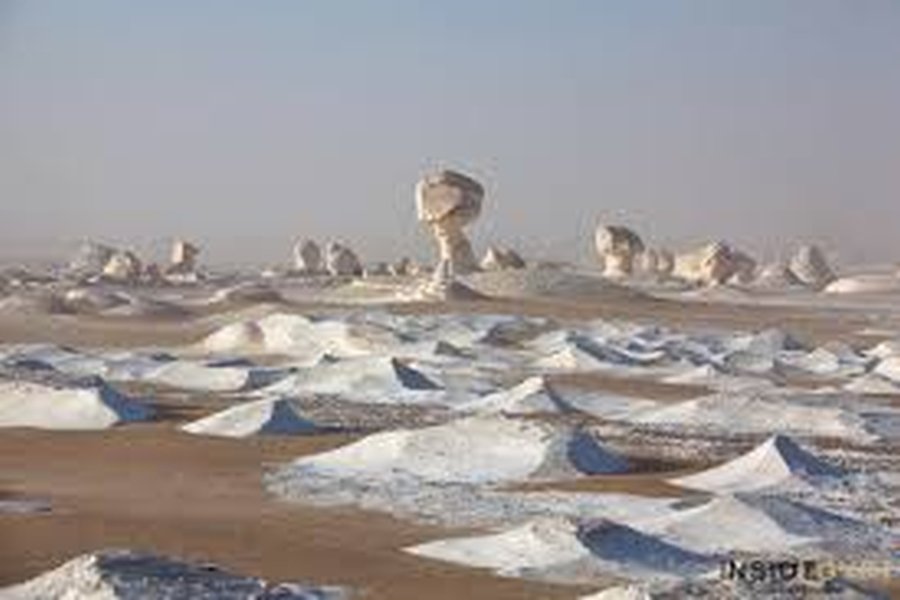
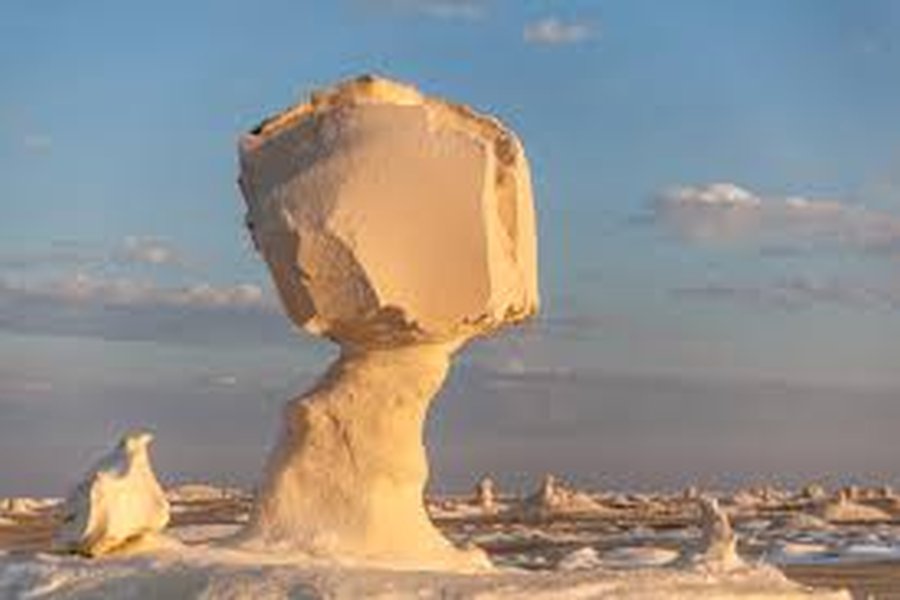
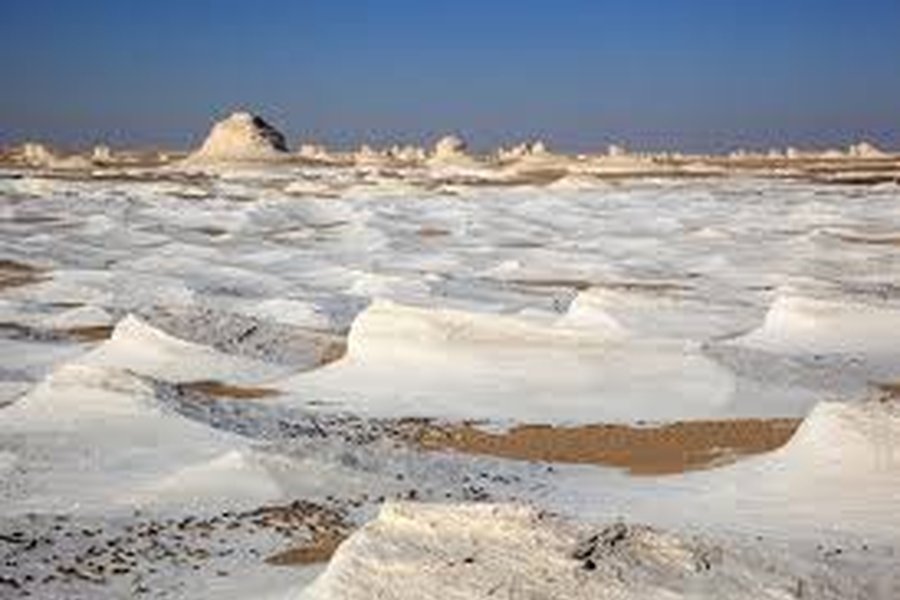
In the afternoon, venture deep into the White Desert National Park. Discover Wadi el Agabat, admire the sculpted landscapes of limestone and chalk, and experience sandboarding on the dunes. Stop at Crystal Mountain, a hill glimmering with quartzite formations that catch the sun’s rays. As you explore, notice the desert’s iconic rock formations—camels, sphinxes, mushrooms—shaped by millennia of wind and sand.
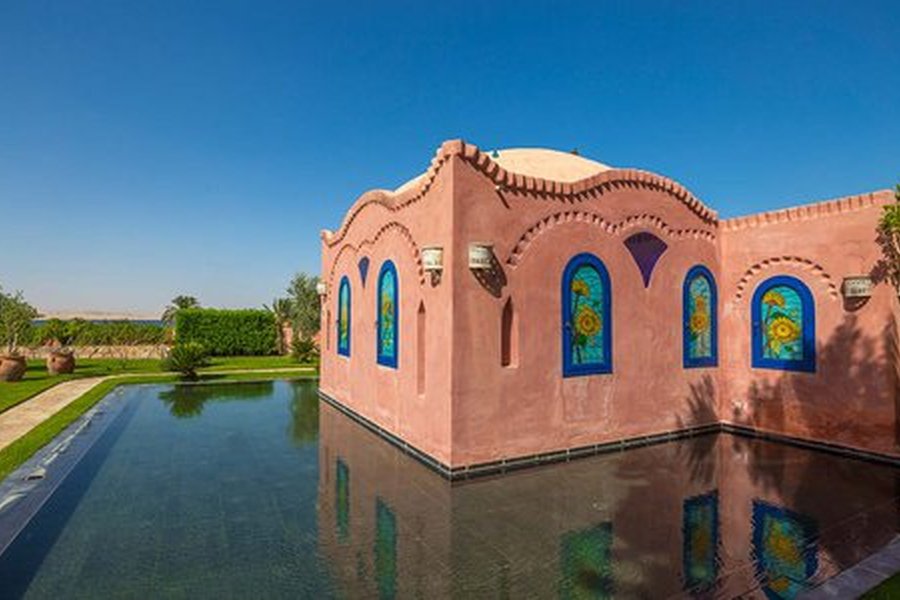
As evening falls, set up camp among the rocks. Watch the sky transform from soft pinks to fiery oranges while sitting around a small fire. A simple, hearty meal is served under the stars, and comfortable tents, sleeping bags, and mattresses are provided for overnight camping. (Vegetarian options are available.)
Note: Nights in the White Desert can be cold. A warm jacket is recommended, but all essential camping gear is supplied for a safe and comfortable experience.

Day 6
Sculpted Landscapes and Oasis Life
Begin your day with a sunrise in the White Desert before departing for Farafra Oasis. The soft morning light casts long shadows across the desert, offering a quiet moment to savor the stillness of the landscape.
Your first stop is Badr’s Museum in the village of Qasr, a testament to the creativity and spirit of a local artist who captured daily life in sculpture, painting, and watercolors. The museum itself, constructed from traditional mudbrick, reflects the artistry of the oasis and the life of the people who call it home.
Continue to the Fortress of Farafra, which crowns the hills above the village. Once a protective stronghold for the local inhabitants, the fortress provides sweeping views of the surrounding desert and a tangible sense of history.
After exploring Farafra, travel toward Asyout for overnight stay at your hotel, reflecting on the deserts, villages, and history experienced along the way.
Day 7
Pharaohs and Ancient Capitals
Depart from Asyout and travel to Al Minya, a city steeped in ancient Egyptian history. Upon arrival, meet your guide and begin the day’s exploration.
Start with Tell El-Amarna, the capital city built by Akhenaton. Walk among the ruins and discover the tombs of high officials, learning about the art, culture, and unique ideas of this extraordinary period. Visit the Royal Tomb of Akhenaton, offering a rare glimpse into the resting place of the pharaoh himself.
Continue to Bani Hassan, a village south of El Minya, to explore the tombs of local rulers. These well-preserved sites provide fascinating insight into the daily life and artistry of ancient Egypt. Pause for lunch in Bani Hassan, enjoying a moment to rest and reflect.
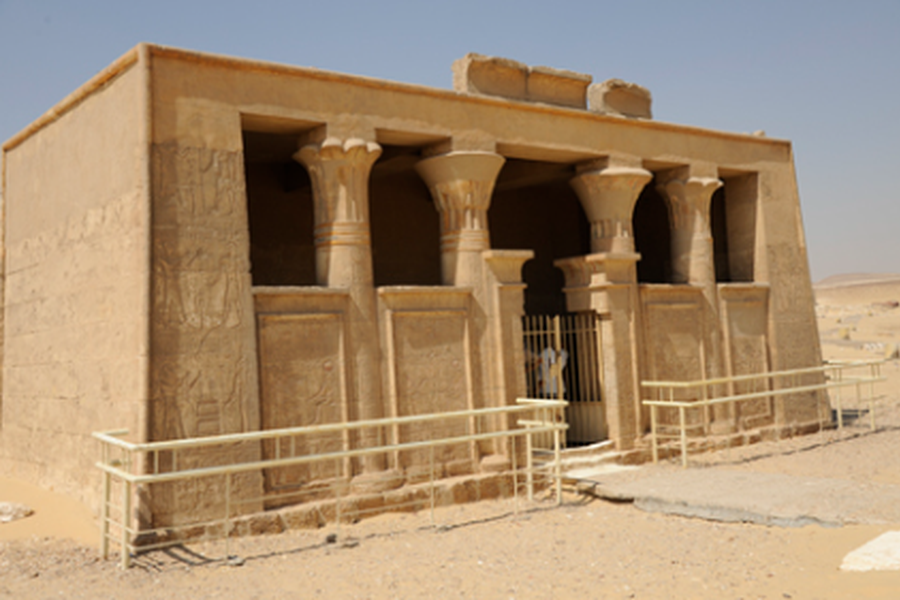
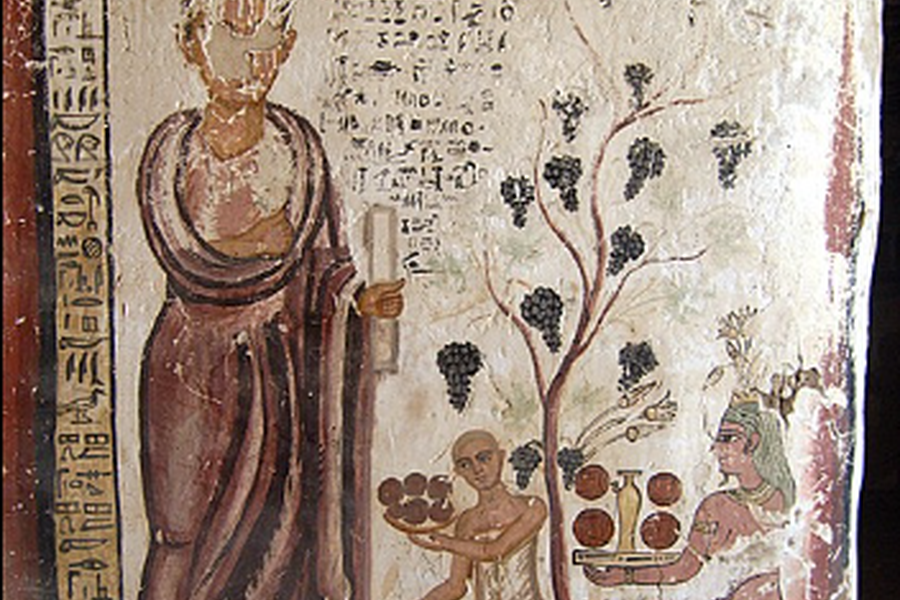
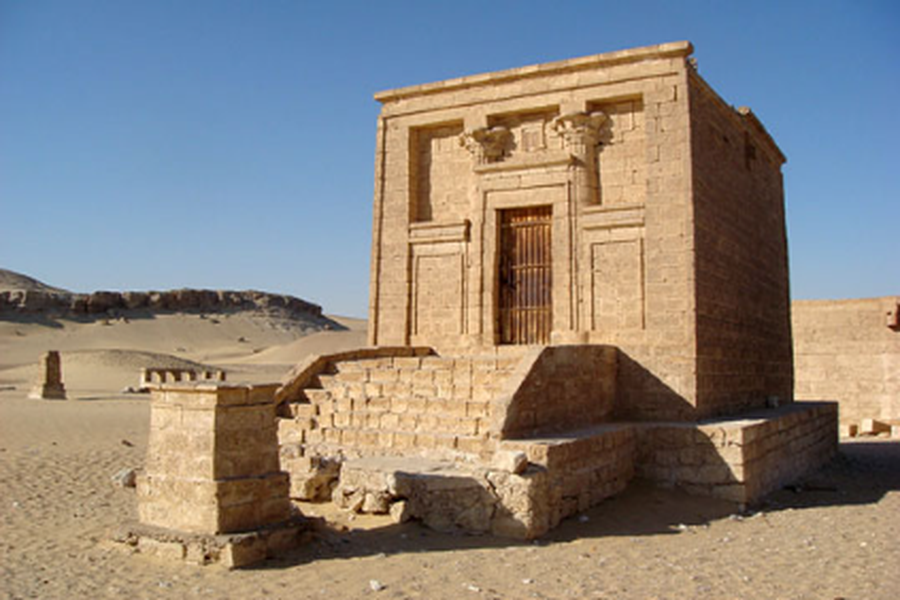
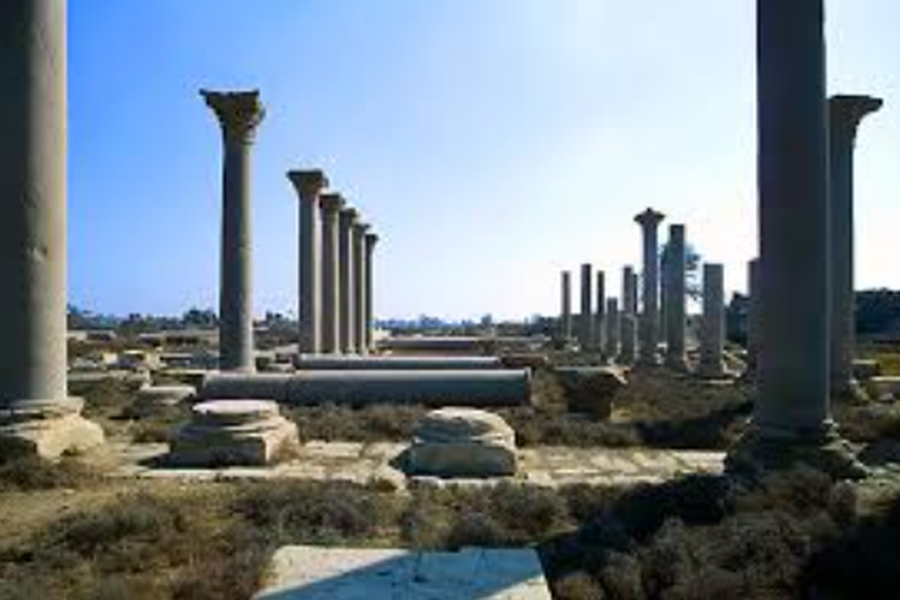
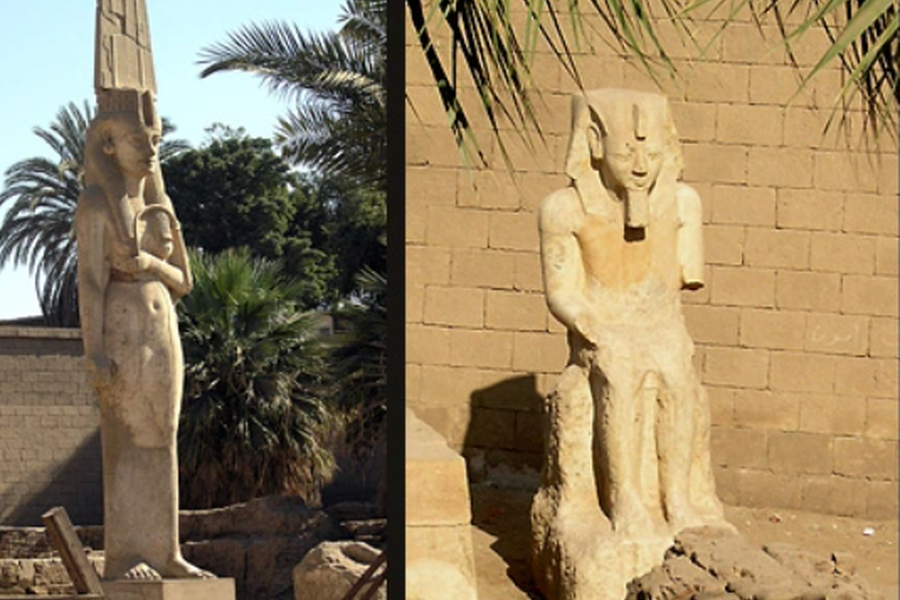
In the afternoon, visit Tuna el Gebel, the necropolis that served the ancient town of Khmun (Hermopolis). Explore the Tomb of Petosiris, the Tomb of Isadora, and El Ashmunein, a site dedicated to Thoth, the god of wisdom. Colossal statues and stelae mark the significance of the area and its long-standing spiritual importance.
Conclude the day with a transfer to your hotel in Minya for overnight stay.
Day 8
Sacred Hills and Timeless Faith
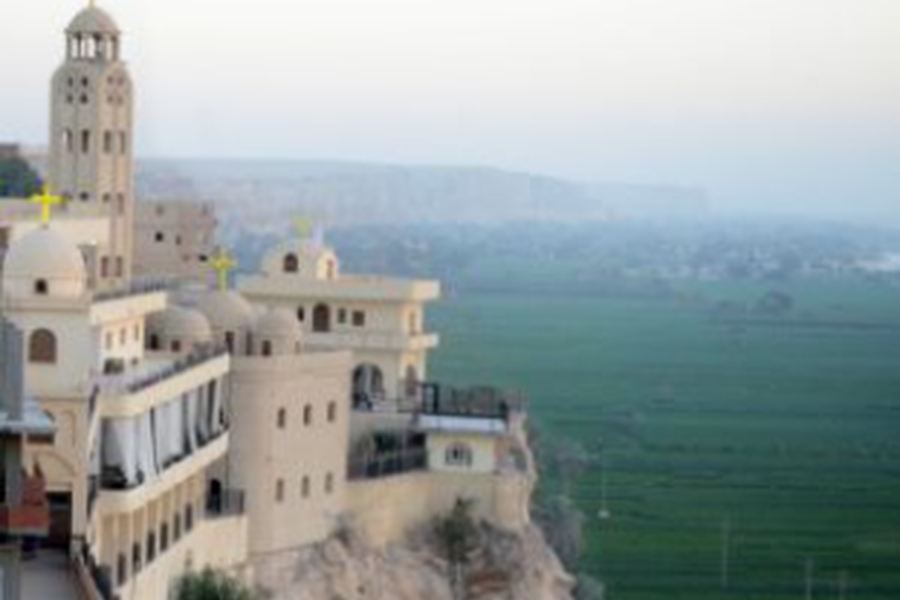
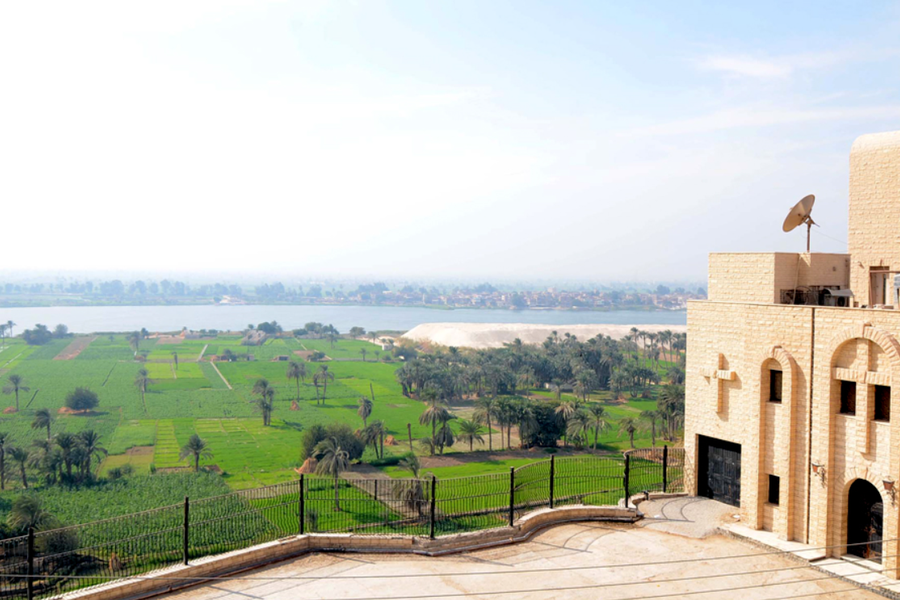
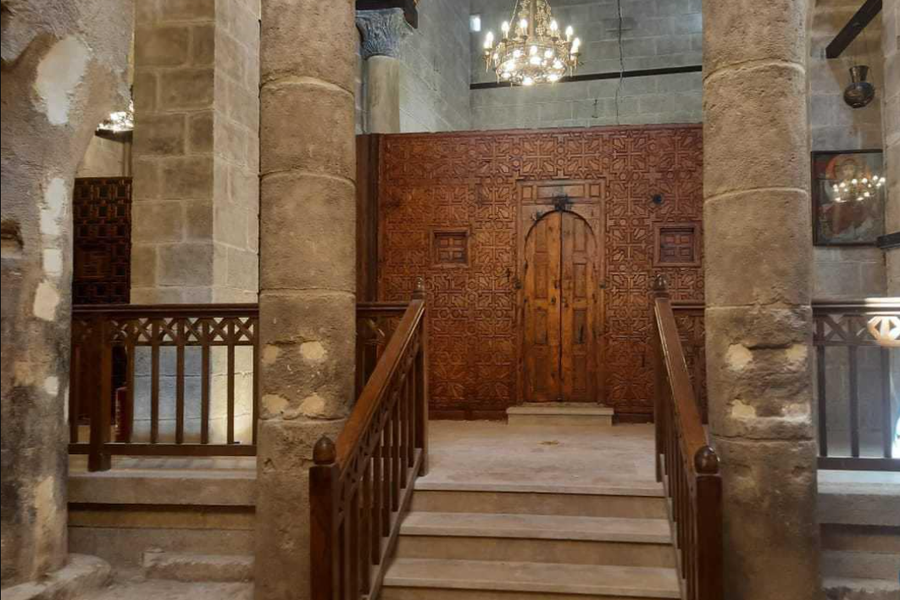
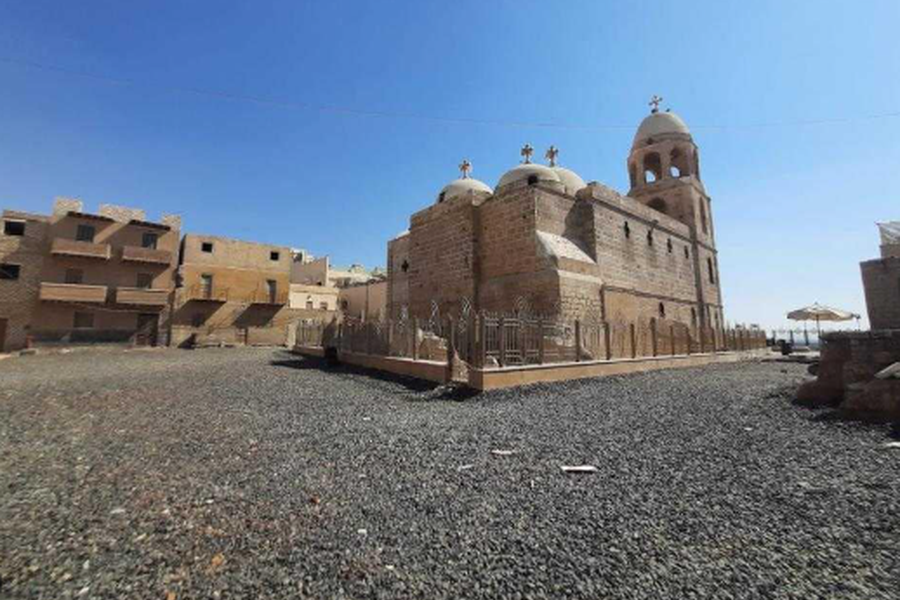
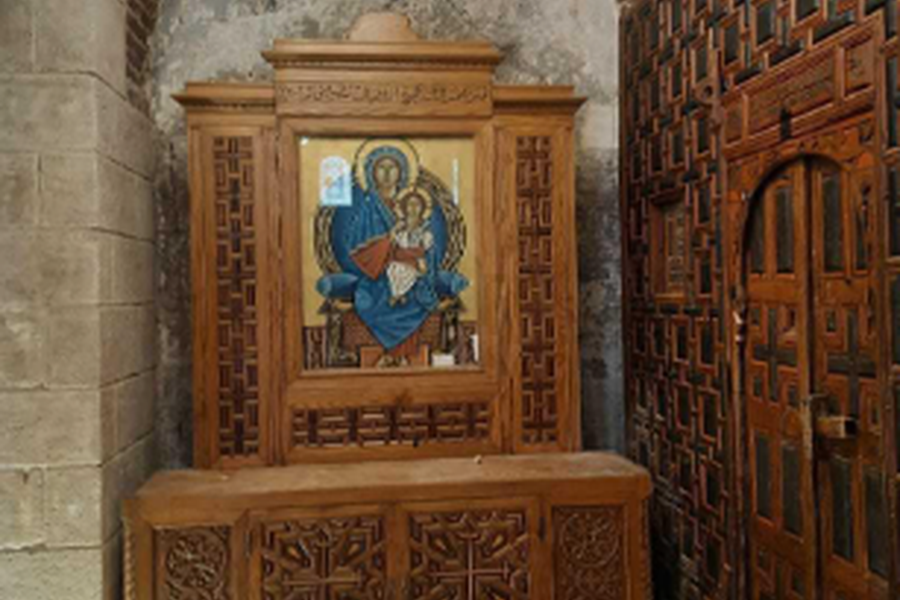
Depart from El Minya and drive to Deir Gabal Al-Tayr, also known as the Church of the Virgin Mary. Perched atop a hill on the eastern bank of the Nile, this sacred site is linked to the journey of the Holy Family through Egypt. Your guide shares the history of the church, once a Roman temple, now preserving centuries of spiritual heritage and ancient architecture.
Continue to Akhmim, a city with roots stretching back to ancient Egypt when it was known as Panopolis. Here, the remnants of temples and monuments hint at the city’s importance as a religious and cultural center along the Nile. Explore the area with your guide, learning about its legacy and stories passed through generations.
In the late afternoon, transfer to your hotel in Abydos for overnight stay.
Day 9
Temples of the Gods and Pharaohs
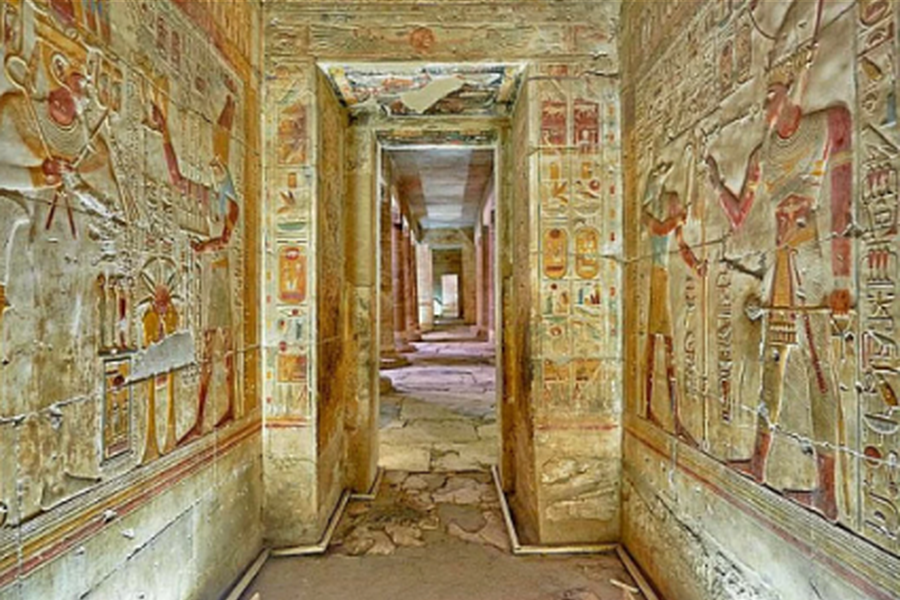
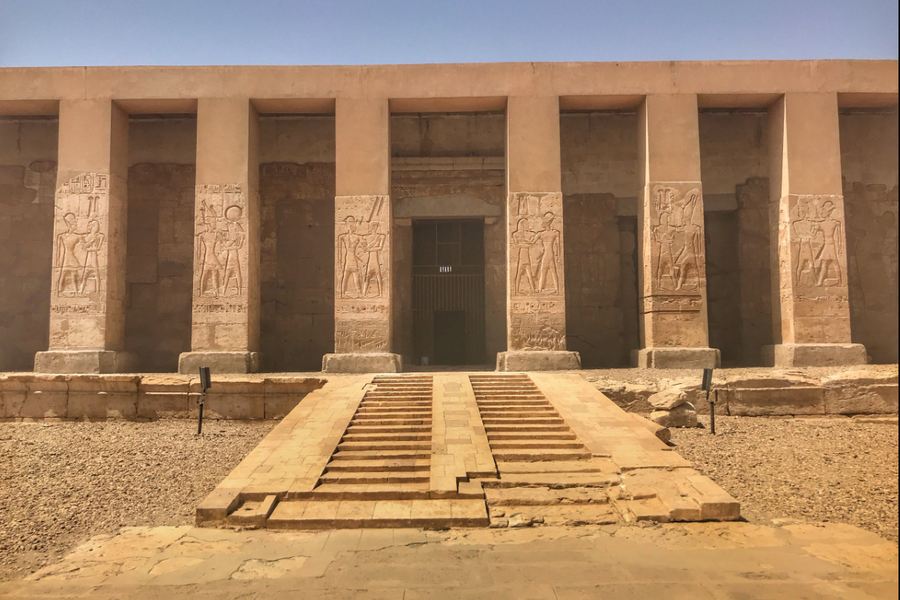
After breakfast, depart from Abydos for the Temple of Seti I, one of Egypt’s most sacred archaeological sites. Explore the temple and its surroundings, where early pharaohs were buried, and learn about the city’s spiritual significance in ancient Egyptian beliefs.
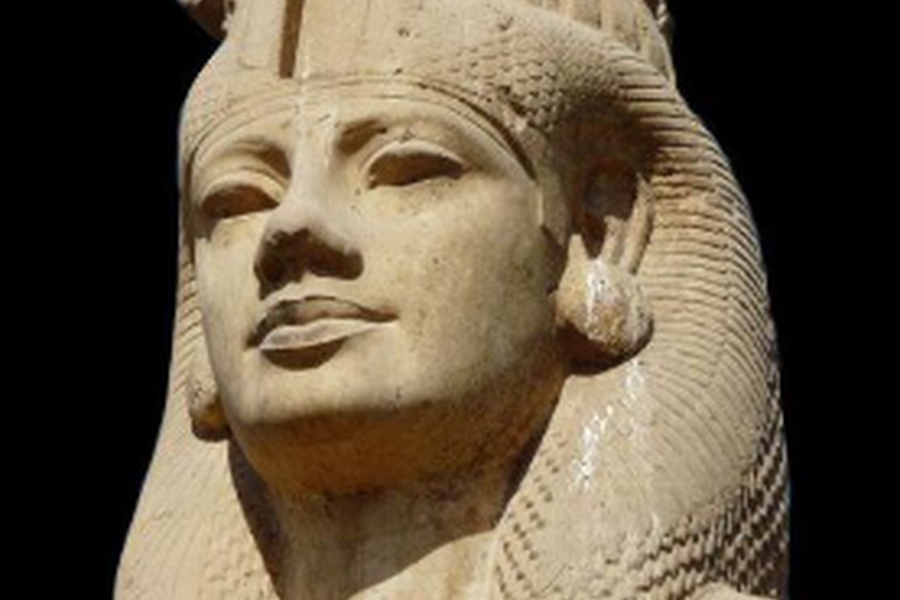
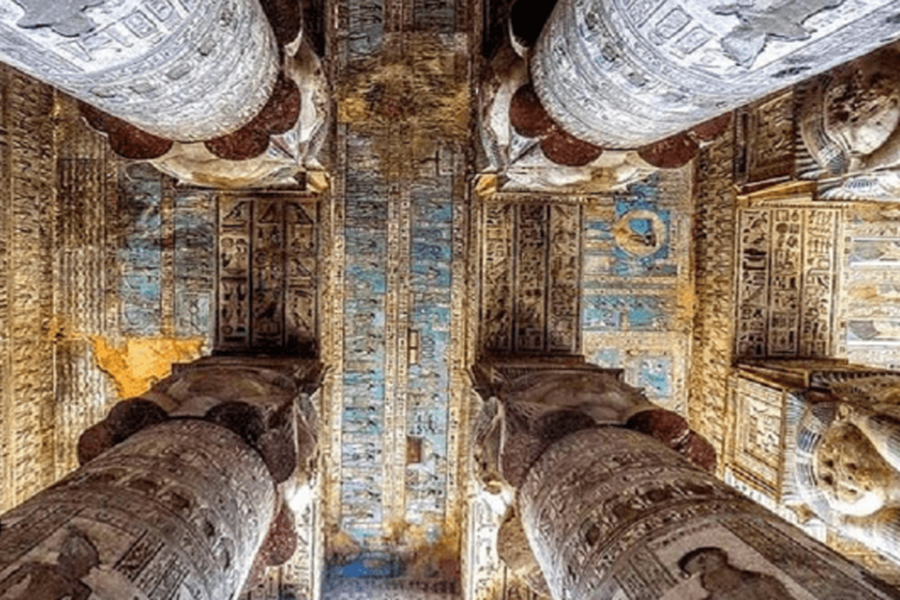
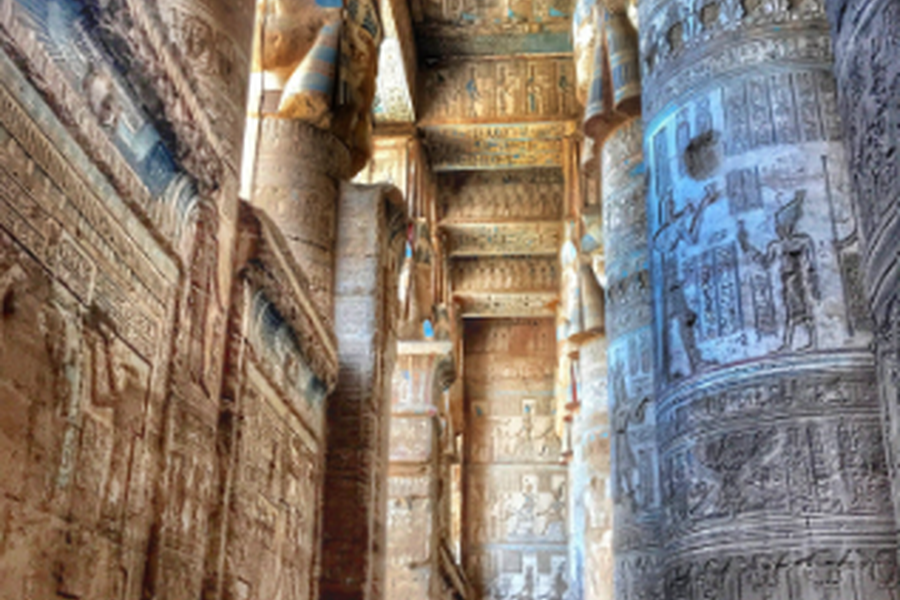
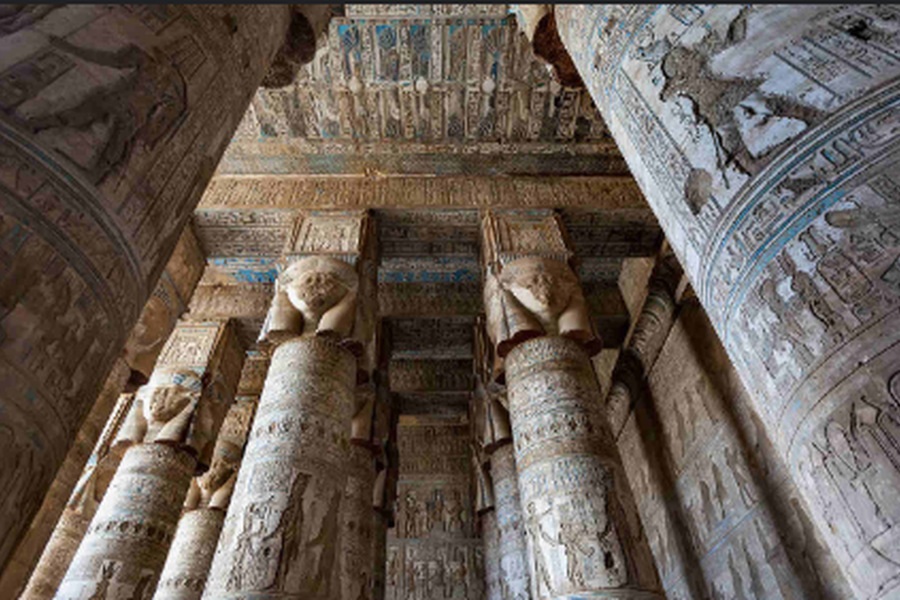
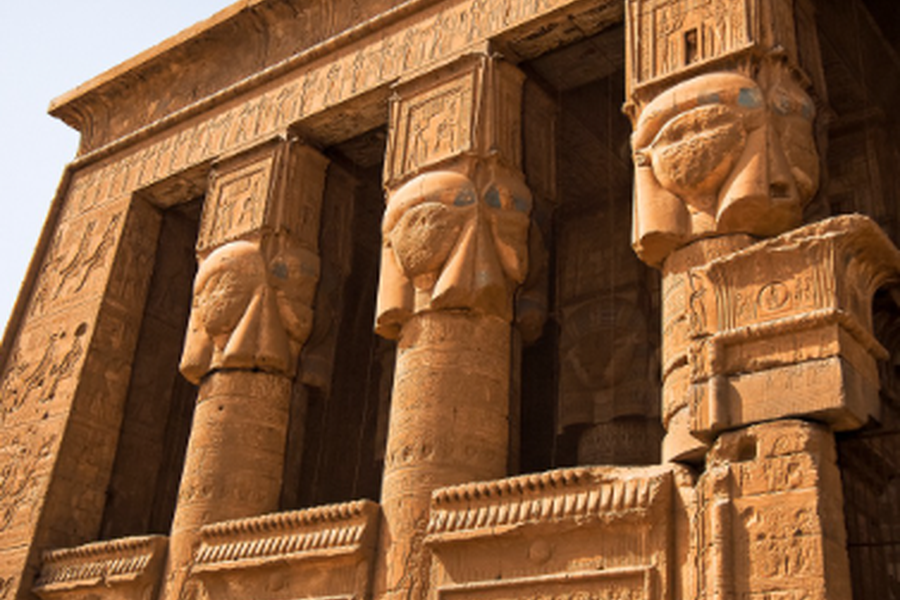
Continue to Dendera to visit the Temple of Hathor, goddess of love, music, and healing. Wander through the beautifully preserved halls adorned with reliefs of Cleopatra VII and her son Caesarion, and discover how pilgrims once sought blessings and healing within this sacred complex.
After exploring Dendera, drive to Luxor, where you will check in to your hotel for overnight stay.

Day 10
The Heart of Thebes
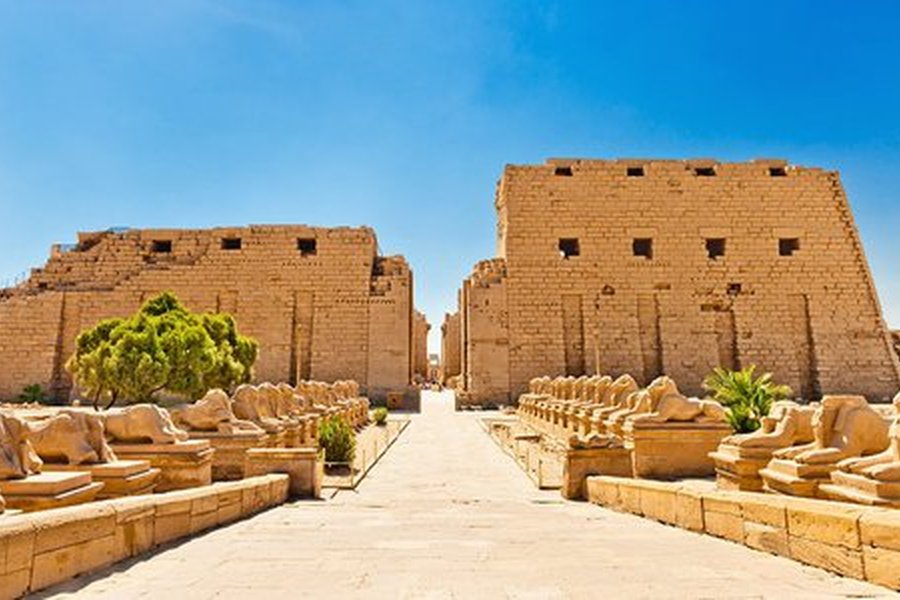
After breakfast, your Egyptologist guide will accompany you to Karnak Temple, one of the most iconic sites in Egypt. Wander through the sprawling complex, with its towering columns and sacred halls, and gain insight into the devotion and craftsmanship that shaped generations of builders.
Next, visit Luxor Temple on the east bank of the Nile, a site central to ancient rituals and festivals. Explore the beautifully preserved courtyards and halls, and discover the stories of pharaohs who once walked these sacred spaces.
Enjoy lunch at a local restaurant with views of the Nile, providing a moment to relax and take in the riverside scenery.
In the evening, you may choose to attend the optional Sound and Light Show at Karnak Temple. The illuminated monuments and narrated history bring the grandeur of ancient Thebes to life under the stars.
After the show, return to your hotel in Luxor for overnight stay, with the evening at your leisure to explore or rest.


Day 11
Deserts of the Pharaohs
Begin the day with the optional hot air balloon ride over the Valley of the Kings. Rise early to watch the desert and monuments bathed in the soft glow of sunrise, experiencing Luxor from a unique perspective above the Nile and the surrounding cliffs.
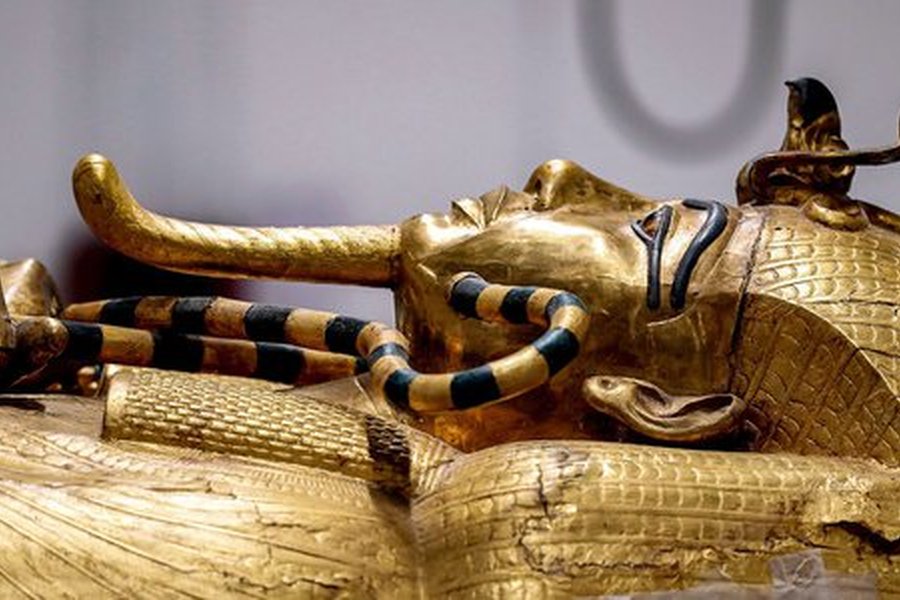
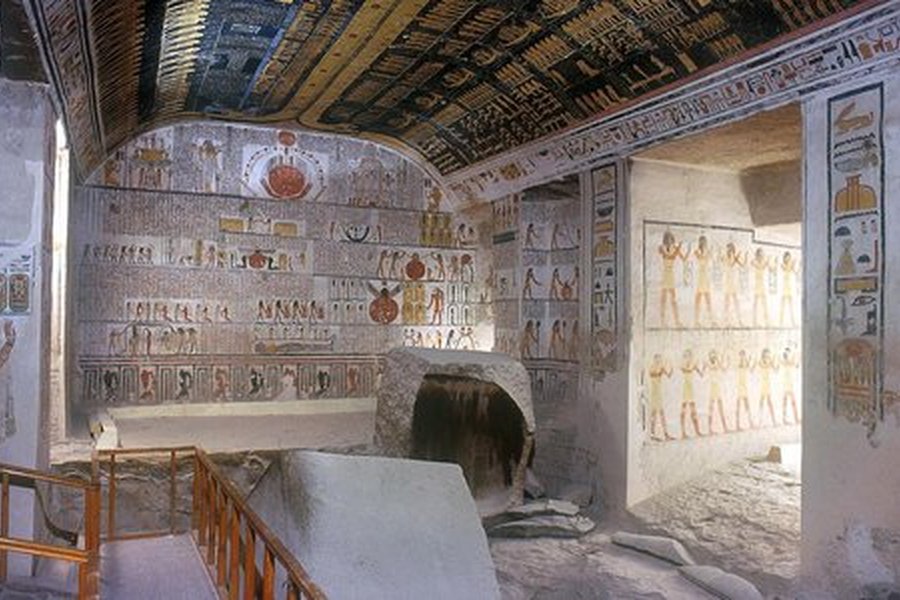
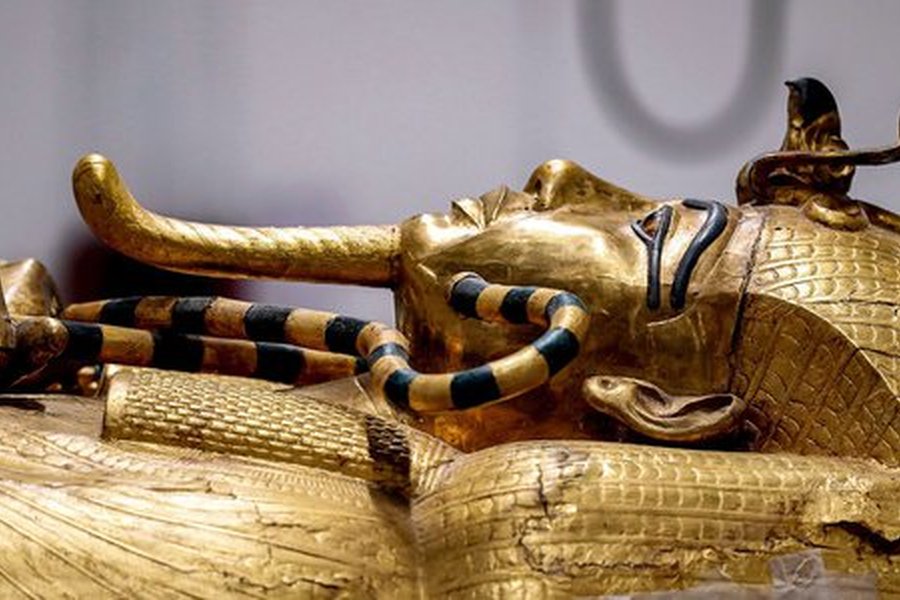
After breakfast at your hotel, explore Luxor’s West Bank with your guide. Visit the Valley of the Kings, the burial place of Egypt’s pharaohs, including Tutankhamun. Wander among the tombs carved into the cliffs and imagine the rituals and lives of those who built them.
Continue to the Colossi of Memnon, two towering statues that once flanked a grand temple complex, and then to the Temple of Queen Hatshepsut, a striking monument rising in terraces from the desert floor, harmoniously merging with the cliffs behind it.
After a day of exploration, return to your hotel in Luxor for overnight stay, with the evening at leisure.


Day 12
Monuments, Tombs, and Timeless Art
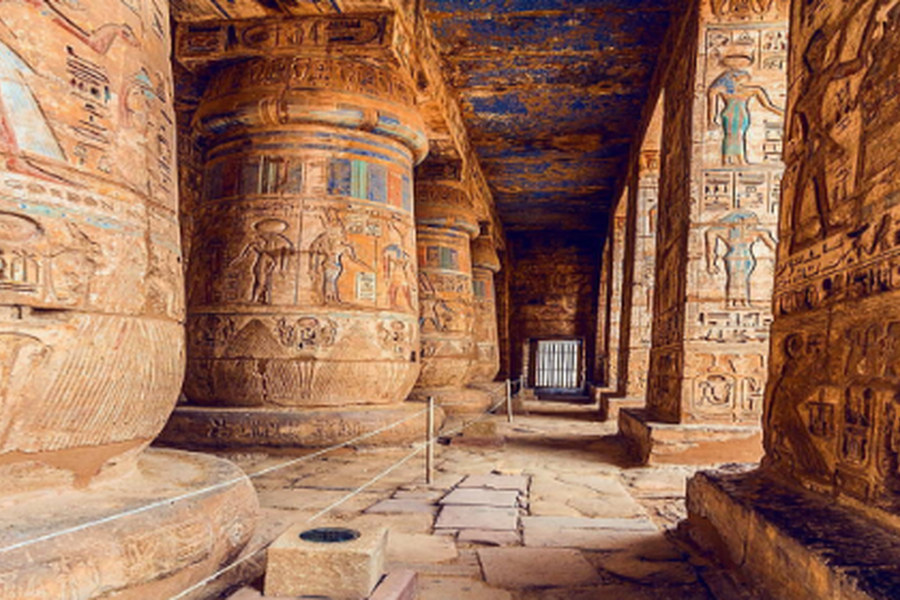
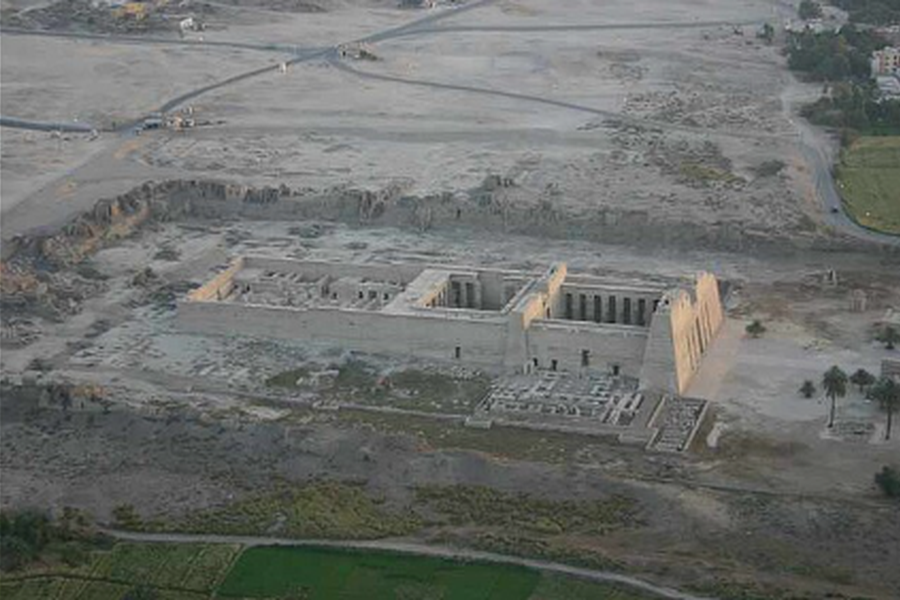
After breakfast, depart with your guide to explore the West Bank of Luxor, beginning with Madinet Habu Temple. Walk through the temple’s grand halls and towering walls, and learn about its role in the lives of pharaohs and priests, including Ramses III.
Continue to the Ramesseum, the funerary temple of Ramses II, where reliefs depict battles, ceremonies, and the grandeur of ancient Egypt. Marvel at the monumental architecture and imagine life in the time of one of Egypt’s most celebrated rulers.
Visit Deir el-Medina, the village of the artisans who built the royal tombs. Explore the hillside cemetery and see how these skilled workers honored the afterlife in their tombs and offerings.
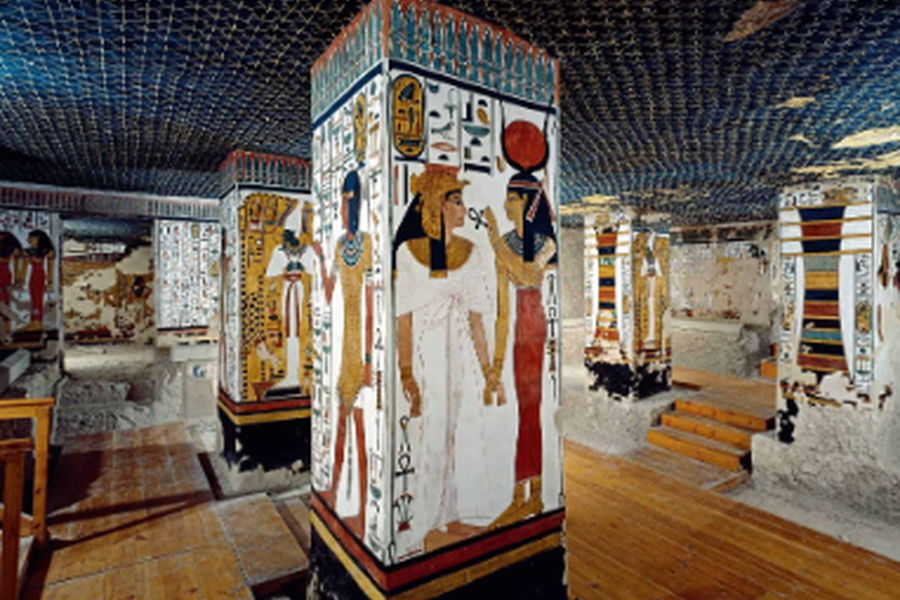
After a midday lunch break, continue to the Valley of the Queens. Wander among the tombs of pharaohs’ wives and royal children, including the famous tomb of Queen Nefertari, and appreciate the intricate decorations and serene desert setting.
In the evening, you may choose to attend the optional Sound and Light Show at Karnak Temple, where the illuminated monuments and narrated history bring the achievements of the pharaohs to life.
Return to your hotel in Luxor for overnight stay.

Day 13
Temples on the Nile
Begin the day with breakfast at your hotel before setting off to explore Aswan.
Your first stop is the Temple of Philae, dedicated to the goddess Isis. Perched on Philae Island, the temple is a serene and beautifully preserved example of classical Egyptian architecture, offering a glimpse into the final chapters of ancient worship along the Nile.
After exploring the temple, enjoy a leisurely felucca ride around Elephantine Island. From the water, take in views of the Aswan High Dam and the Unfinished Obelisk, which reveals the remarkable skill of ancient stone carvers.
Pause for a traditional lunch in Aswan, savoring local flavors while reflecting on the day’s sights.
Conclude your day with transfer to your hotel in Aswan for overnight stay.


Day 14
Ramses’ Monumental Legacy
Begin your day with breakfast on board the cruise before setting out early from Aswan for Abu Simbel. The journey across the desert is scenic, building anticipation for one of Egypt’s most iconic sites.
Upon arrival, explore the magnificent Abu Simbel Temples. The Great Temple, carved into the mountainside, features four colossal statues of Ramses II and honors the gods Ra-Harakhty, Amun-Ra, and Ptah. The smaller temple, dedicated to Queen Nefertari and the goddess Hathor, showcases exquisite carvings and artistry. Both temples were carefully relocated in a UNESCO-led project, preserving their grandeur for generations to come.
After this unforgettable visit, return to Aswan for a traditional lunch.
For those who wish, continue with an optional visit to the Nubian Village. Stroll through the vibrant, colorful houses, experience local art, and immerse yourself in the warmth and culture of Nubian life.
Conclude the day with dinner and overnight stay at your hotel in Aswan.



Inclusions
Luxury Accommodation:
-
Day 1 – 3: Luxury Hotel, Cairo (Bed & Breakfast)
-
Day 4: Helna Hotel, Fayoum (Bed & Breakfast)
-
Day 5: Overnight camping in Wadi El Hitan / Magic Lake Area (Full Board)
-
Day 6: Assiut Cement Hotel, Assiut (Bed & Breakfast)
-
Day 7: Omar El Khayam Hotel, Al Minya (Bed & Breakfast)
-
Day 8: Luxury Hotel, Abydos (Bed & Breakfast)
-
Day 9 – 13: Luxury Hotel, Luxor (Bed & Breakfast)
-
Day 13 – 15: Luxury Hotel, Aswan (Bed & Breakfast)
Sightseeing:
-
Day 2: Giza Pyramids, Sphinx & Grand Egyptian Museum (Guiding, Lunch, Entrance fees, A/C Bus 2024)
-
Day 3: Full-day Alexandria (Guiding, Lunch, Entrance fees, A/C Bus 2024)
-
Day 4: Full-day Fayoum (Guiding, Lunch, Entrance fees, A/C Bus 2024)
-
Day 5: Full-day White Desert (Guiding, Safari, Lunch, Entrance fees, A/C Bus 2024)
-
Day 6: Full-day Bahariya & Farafra (Guiding, Lunch, Entrance fees, A/C Bus 2024)
-
Day 7 – 8: El Minya & Surroundings (Guiding, Lunch, Entrance fees, A/C Bus 2024)
-
Day 9: Abydos & Dendera Temples (Guiding, Lunch, Entrance fees, A/C Bus 2024)
-
Day 10 – 13: Luxor & West Bank Temples (Guiding, Lunch, Entrance fees, A/C Bus 2024)
-
Day 13 – 14: Aswan & Surrounding Temples (Guiding, Lunch, Entrance fees, A/C Bus 2024)
Free Item:
- Camel ride on Day 2
Not included:
-
Entry visa to Egypt (USD 30)
-
Tipping and personal expenses
-
International and domestic flights
-
Optional tours
-
Fast Track airport services
-
Cancellation Insurance