


Overview
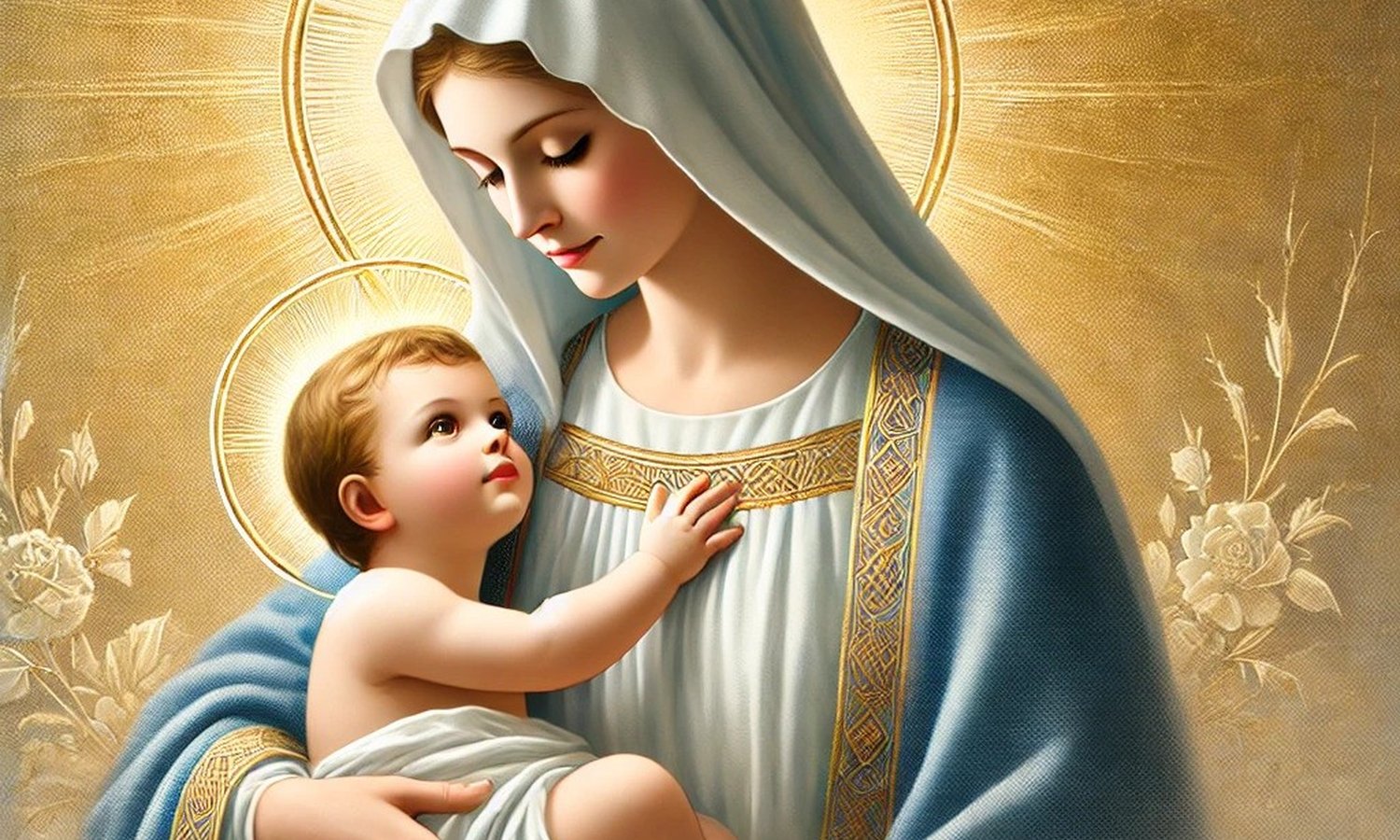
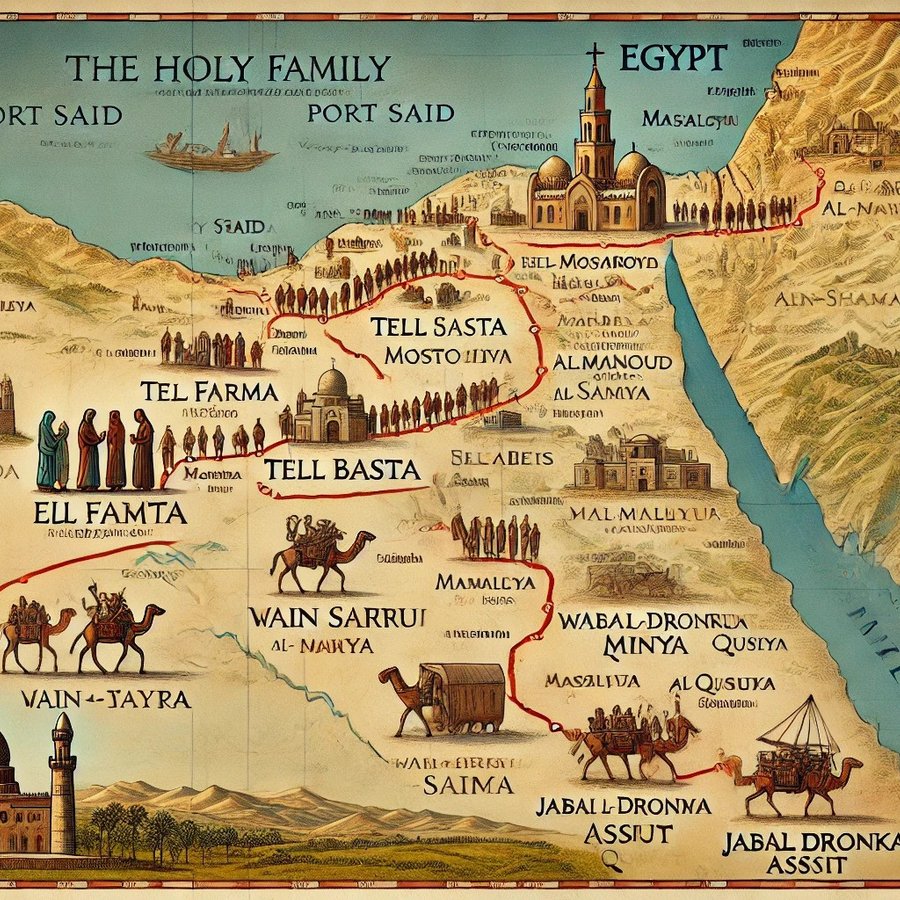
Follow the footsteps of the Holy Family through Egypt’s sacred sites. Explore the serene monasteries of Wadi El-Natrun, including Anba Bishoy, St. Macarius, Virgin Mary (Syrian), and Baramos. Visit the Virgin Mary’s Tree in Matareya, the historic churches of Ain Shams and Maadi, and Old Cairo’s Abu Serga Church, where the Holy Family is believed to have sought refuge. This spiritual journey offers a unique blend of faith, history, and reflection, connecting you deeply with Egypt’s Christian heritage.
Short itinerary
Quick route overview-
1
Day 1
Arrival in Cairo: A Gentle Beginning
Arrive in Cairo, where you are warmly welcomed with a personalized meet-and-greet service at Cairo International Airport. After a smooth transfer to your hotel, take time to unwind and settle in. The rest of the day is left at leisure, allowing you to rest, acclimate, and quietly prepare for the meaningful spiritual journey that lies ahead.
-
2
Day 2
Maadi: A Sacred Crossing
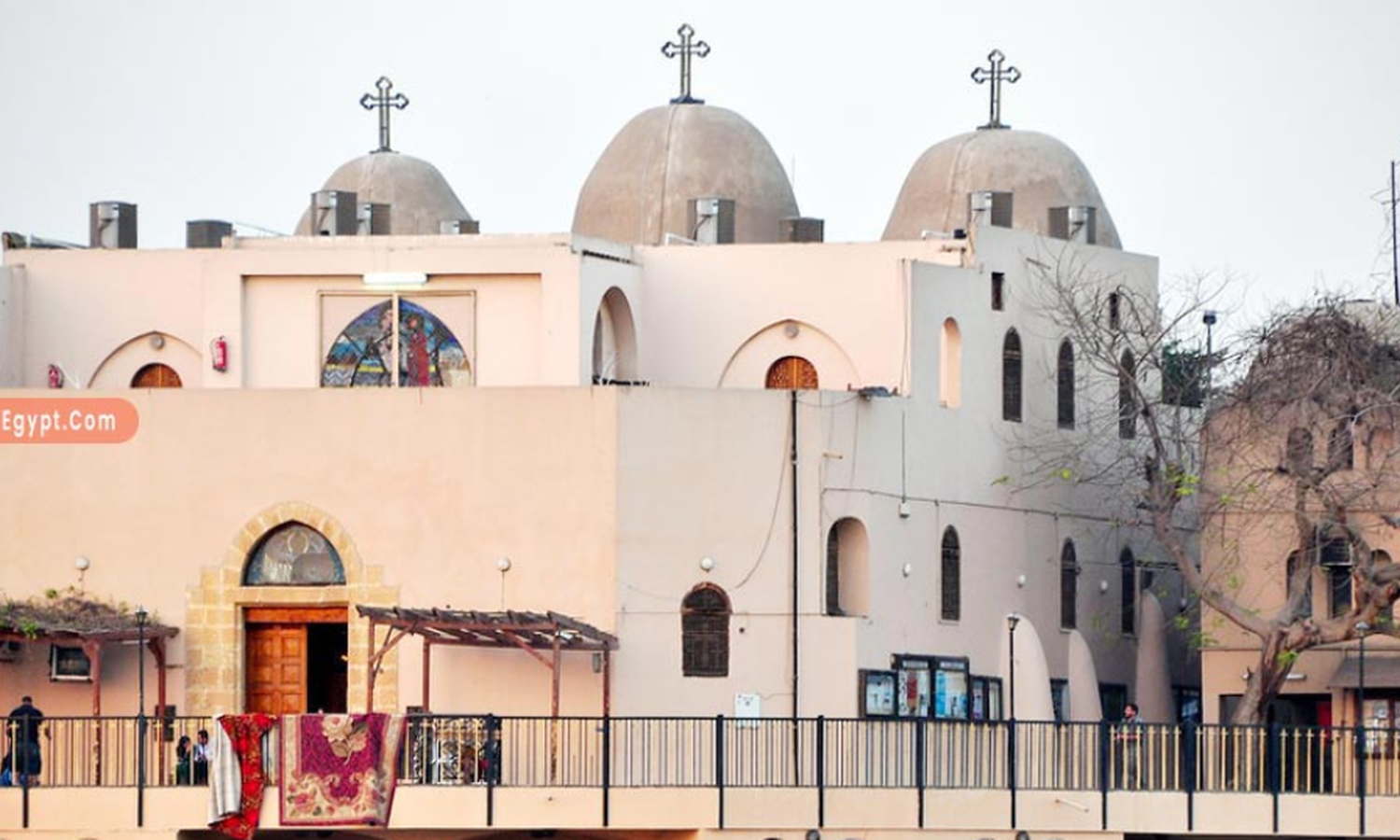
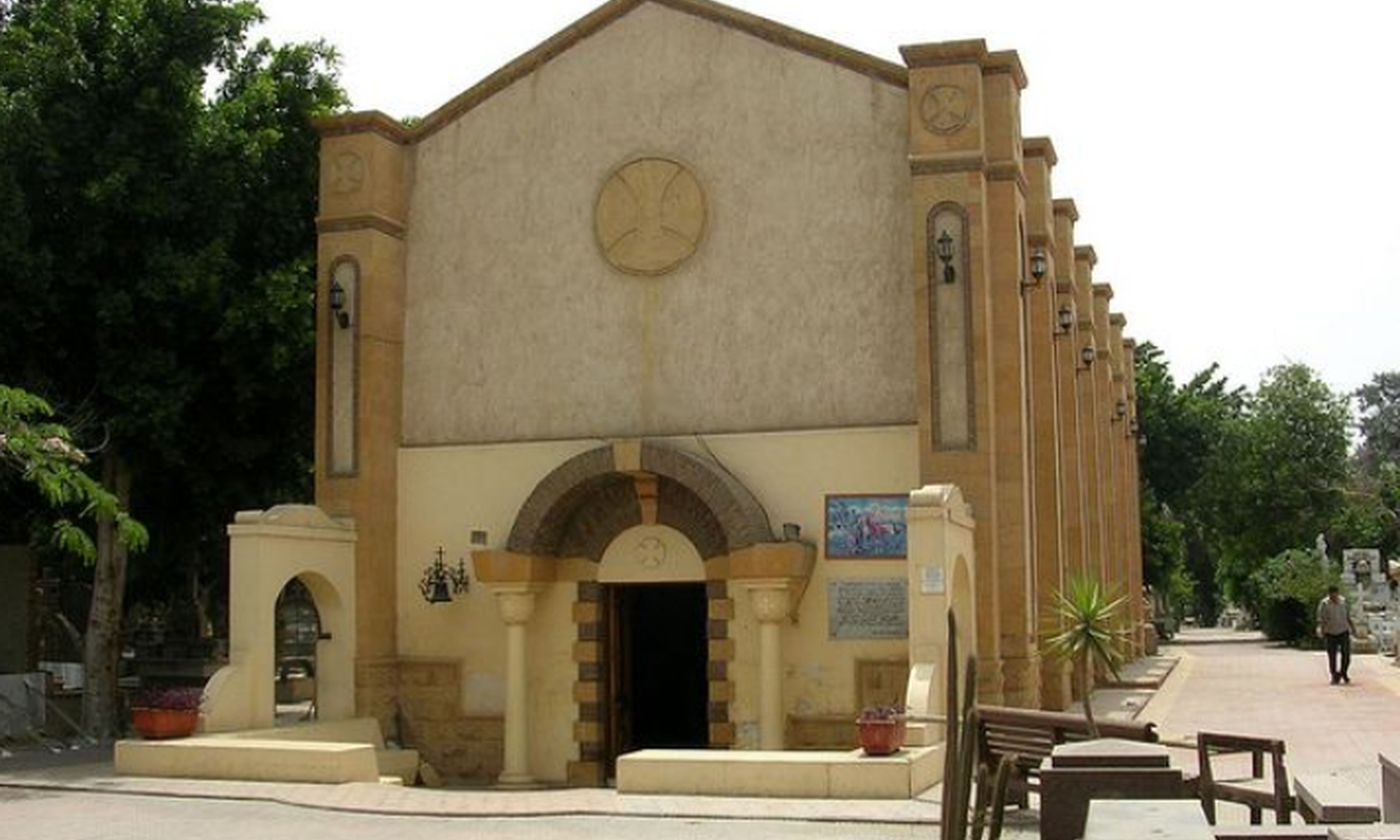
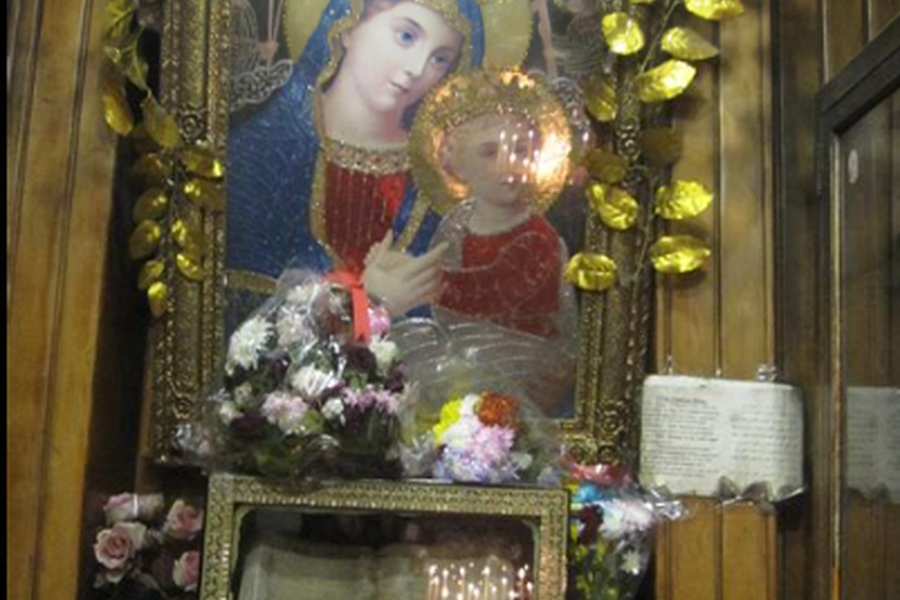
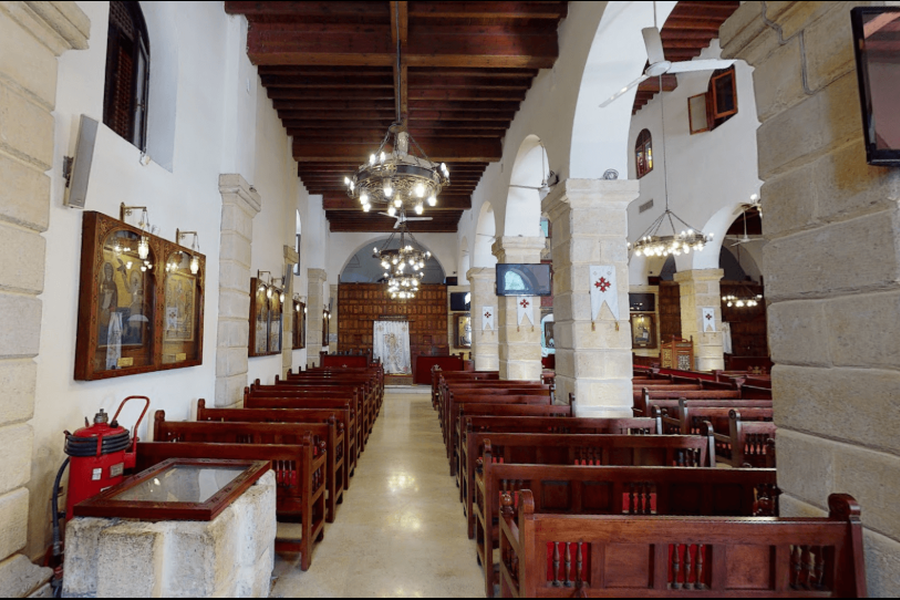
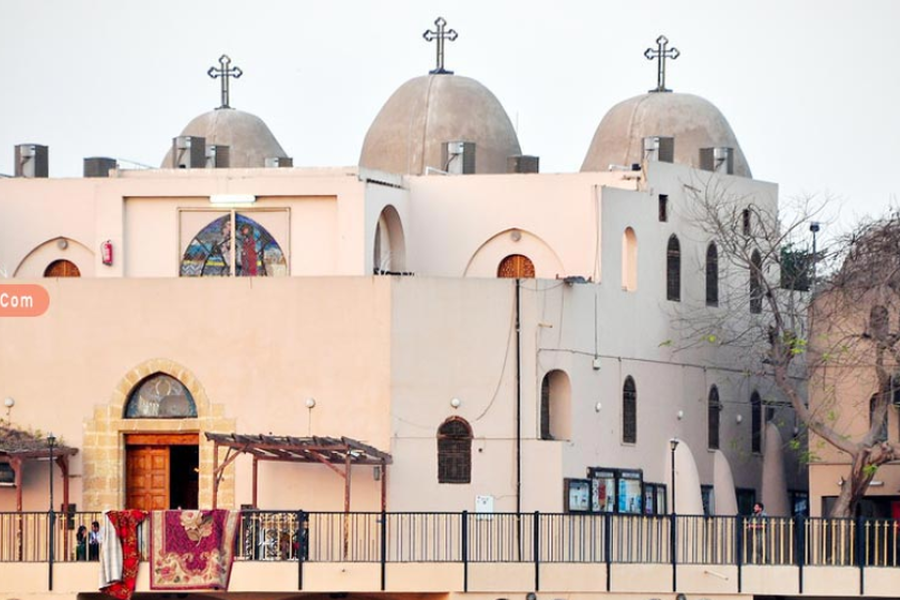
Journey to Maadi to visit the Church of the Virgin Mary, one of the most spiritually significant sites along the Holy Family’s path through Egypt. This revered church is believed to mark the very place where the Holy Family crossed the Nile on their journey into Upper Egypt. Here, tradition speaks of a miraculous event in which a page of the Bible emerged from the river, forever linking this site to Egypt’s unique place in biblical history.
Within the church’s serene atmosphere, take time for quiet reflection while learning about the Holy Family’s passage and the deep spiritual meaning this location holds for generations of pilgrims. In the evening, unwind from the day’s spiritual exploration and enjoy an authentic Egyptian family dinner, a warm and heartfelt experience that offers a genuine connection to local life and hospitality.
-
3
Day 3
Matareya and Ain Shams: In the Footsteps of the Holy Family
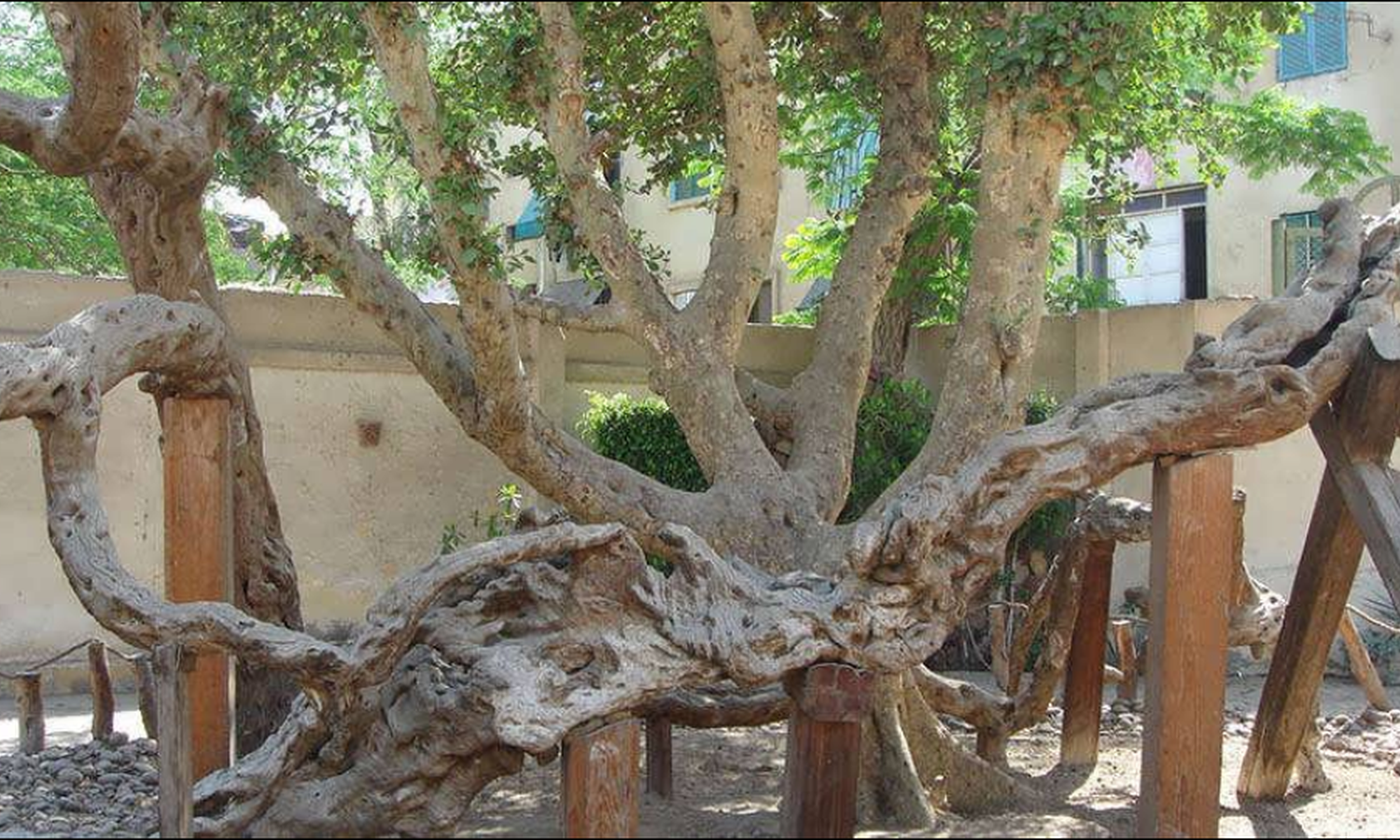
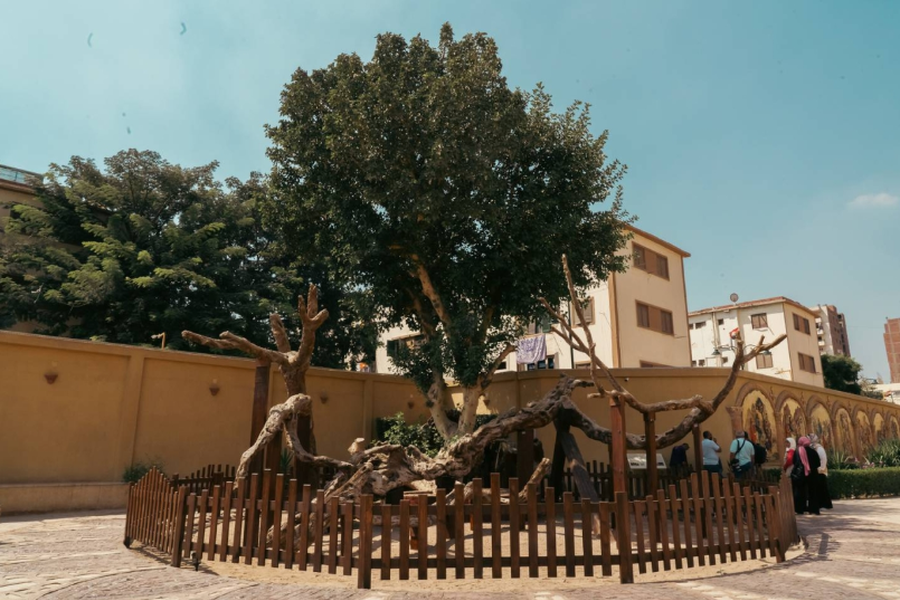
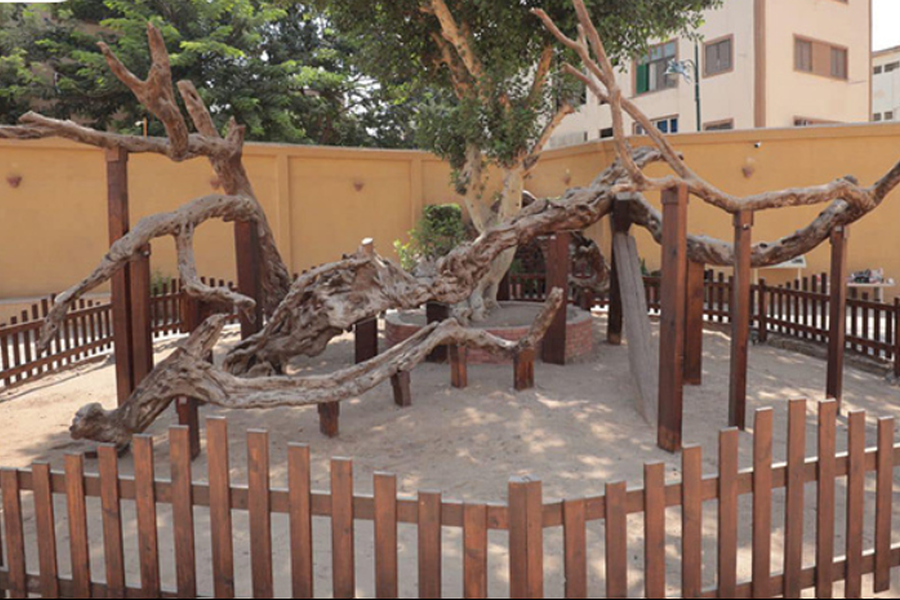
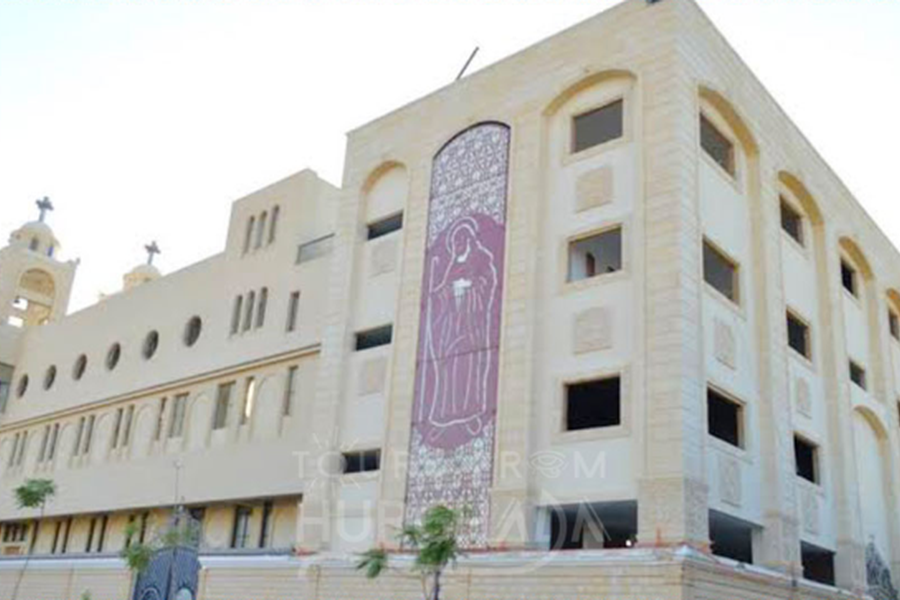
Travel to Matareya and Ain Shams, where tradition holds that the Holy Family found refuge beneath the shade of the Virgin Mary’s Tree. This revered site, steeped in devotion and history, is believed to have witnessed a moment of rest and protection during their journey through Egypt. Nearby, visit the Church of the Virgin Mary, built to commemorate the Holy Family’s presence in Matareya. Its graceful architecture and peaceful interior invite quiet reflection on the profound spiritual legacy of this sacred place.
As you absorb the stillness and meaning of the site, reflect on Egypt’s enduring role as a land of refuge and blessing. Later, return to Cairo for an overnight stay, carrying with you the serenity and spiritual depth of the day’s experiences.
-
4
Day 4
Old Cairo: The Heart of Sacred Heritage
Step into Old Cairo and explore its historic Religious Complex, one of the most spiritually significant areas in Egypt and a cornerstone of early Christian history. Visit the Church of the Virgin Mary in Haret Zuweila, a revered site that reflects the deep roots of Christianity in Egypt.
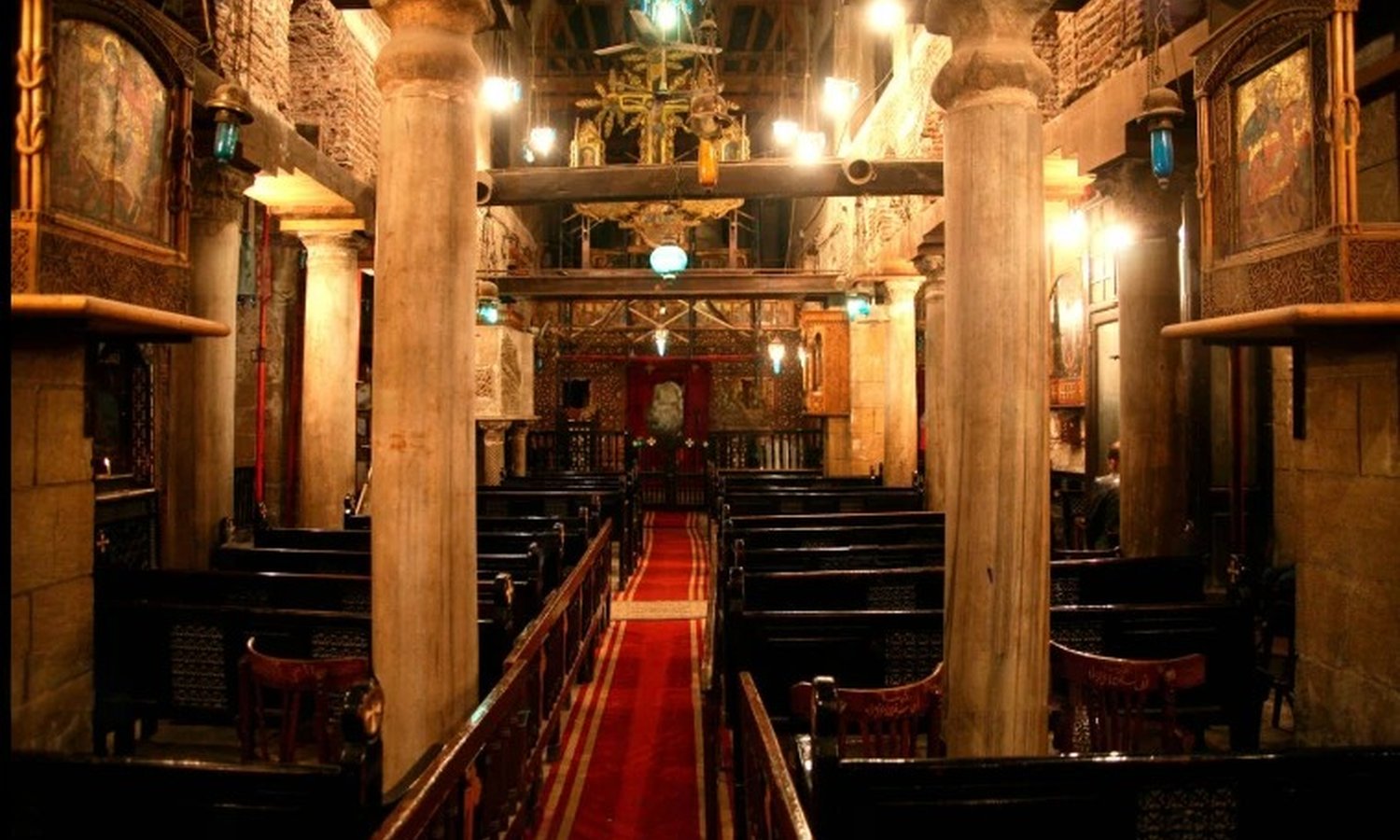
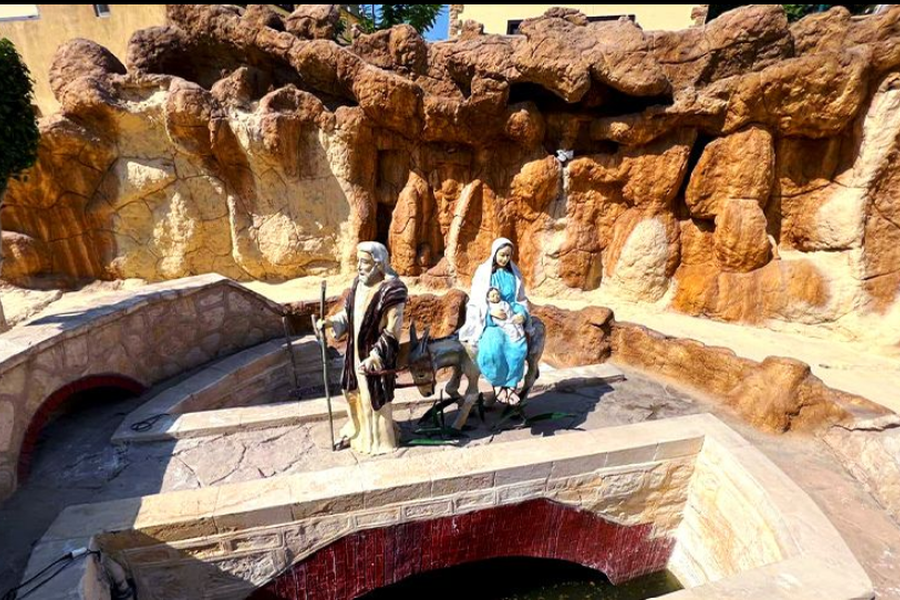
Continue to the Church of Abu Serga (St. Sergius), built above the cave where tradition holds that the Holy Family sought refuge during their time in Cairo. Descend into this sacred space, now preserved within the church, and experience a powerful connection to the Holy Family’s journey and Egypt’s enduring role as a place of shelter and faith.
The surrounding complex invites quiet reflection, offering insight into centuries of devotion and spiritual continuity. After this meaningful exploration, return to your hotel in Cairo for an overnight stay.
-
5
Day 5
Wadi El-Natrun: Desert Monasteries and Living Faith
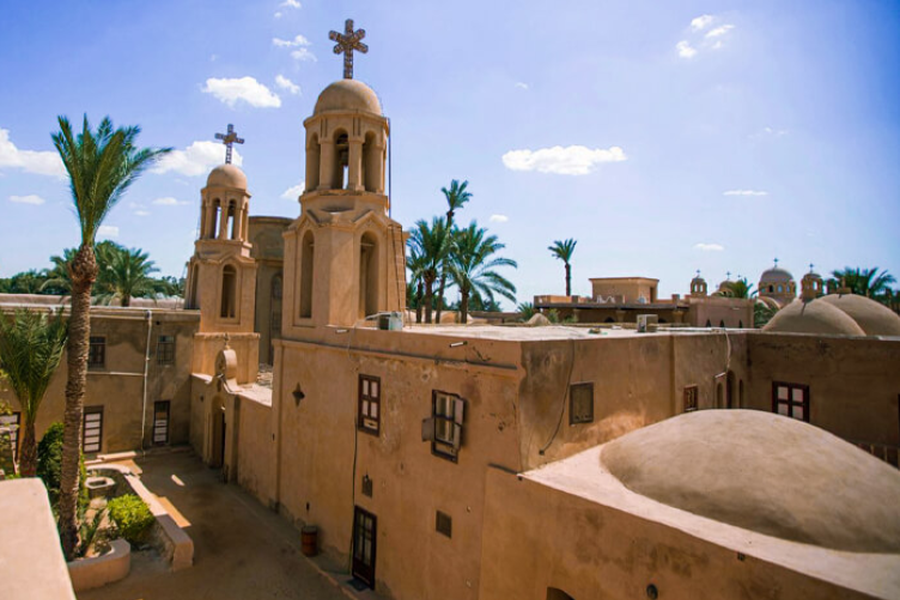
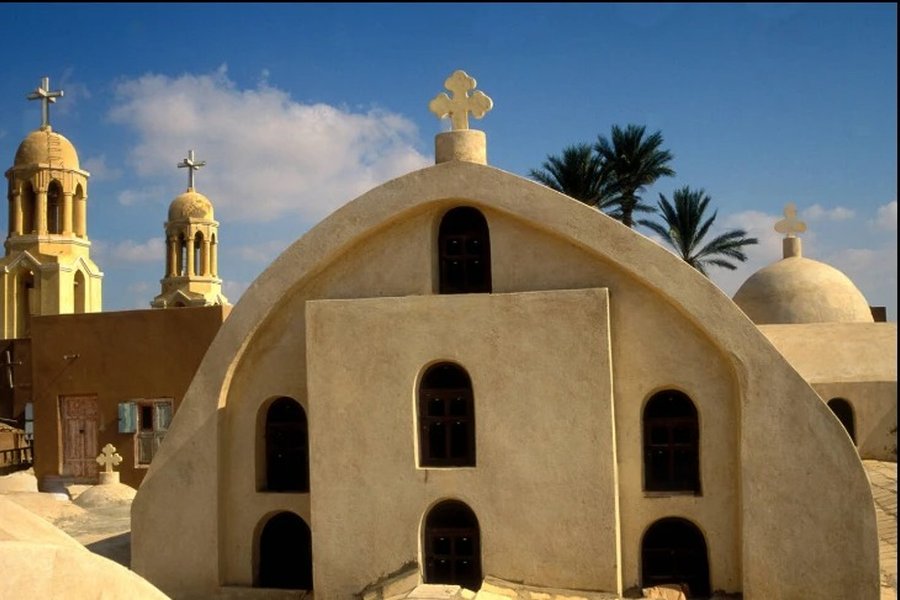
Journey into the Western Desert to Wadi El-Natrun, a timeless oasis that holds profound significance along the path of the Holy Family and stands as the cradle of Christian monasticism in Egypt. Set amid tranquil desert landscapes, this sacred valley is home to some of the world’s oldest continually inhabited monasteries.
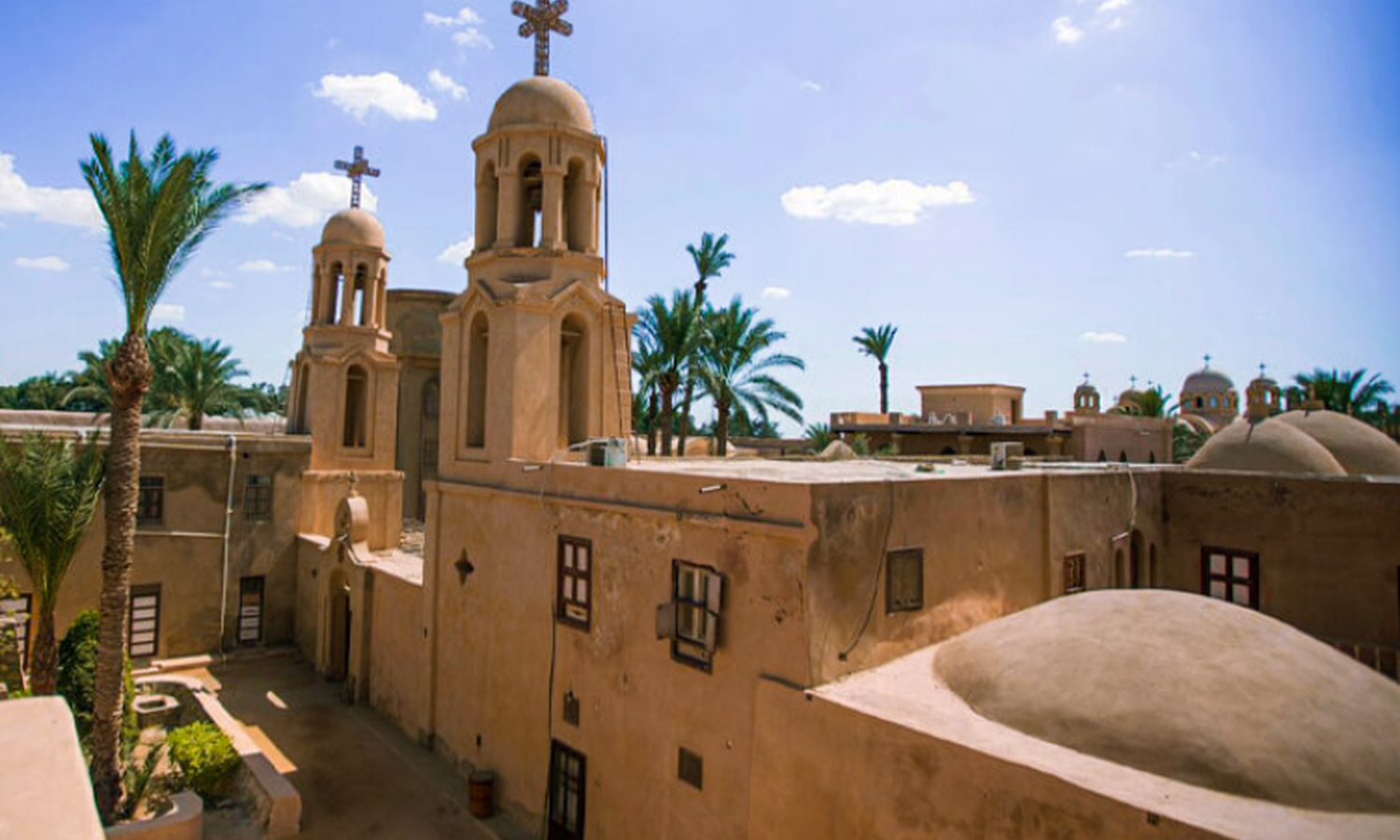
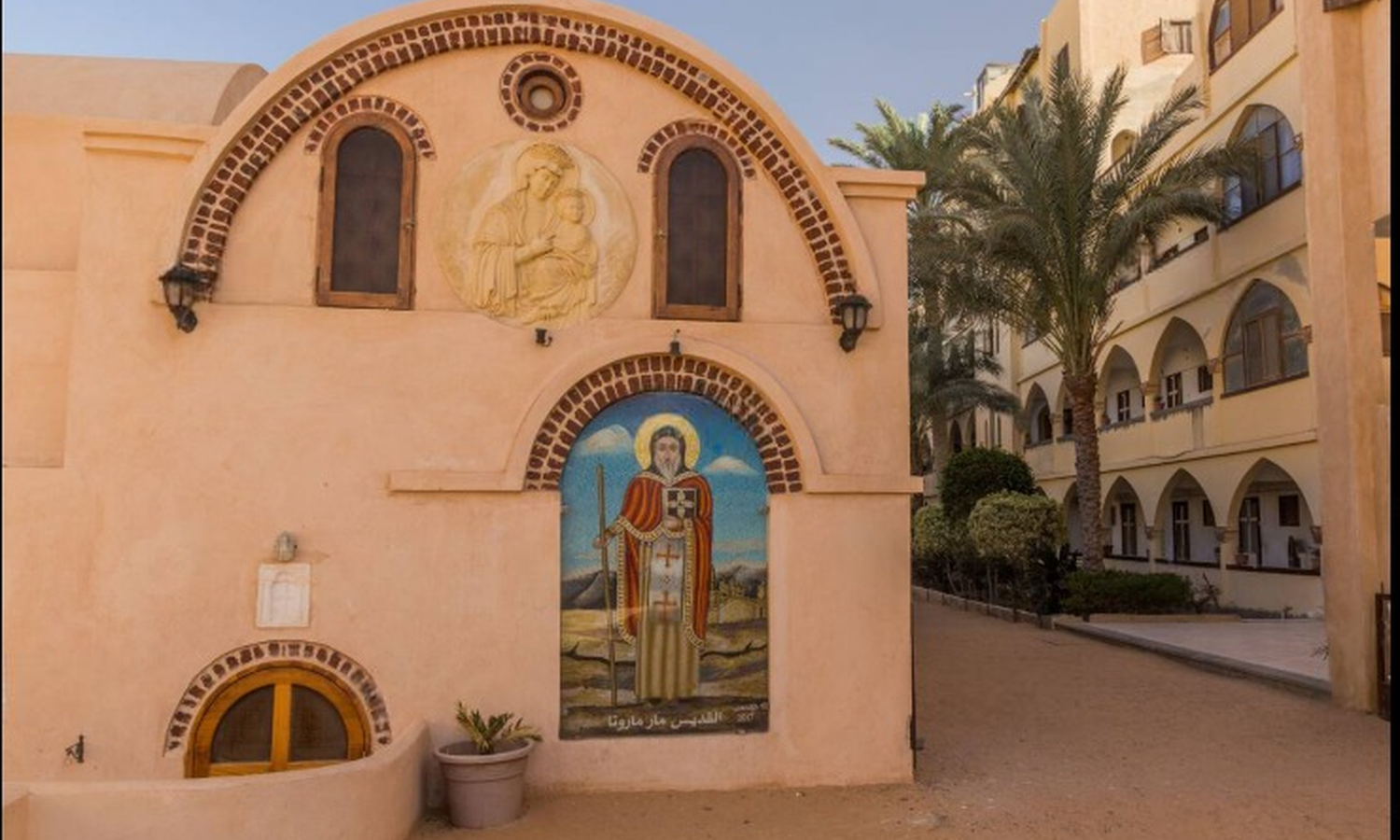
Visit the Monastery of Anba Bishoy, revered for its deep spiritual legacy and graceful architecture, before continuing to the Monastery of St. Macarius, renowned for its remarkable frescoes and centuries-old traditions of worship. Explore the Virgin Mary (Syrian) Monastery, a place of quiet devotion and historic importance, and the Monastery of Baramos, one of the earliest monastic foundations in the region, offering insight into the origins of Christian monastic life.
Each monastery reveals a unique chapter of faith, resilience, and spiritual devotion, creating a deeply enriching and contemplative experience. In the late afternoon, return to Cairo for an overnight stay, carrying with you the stillness and sacred atmosphere of Egypt’s desert monasteries.
-
6
Day 6
Farewell to Cairo
After breakfast, enjoy a smooth transfer to Cairo International Airport for your onward departure, concluding a deeply transformative journey following the footsteps of the Holy Family through Egypt—a land of refuge, faith, and timeless spiritual heritage.
Your Experience Map
Detailed Itinerary
Day 1
Arrival in Cairo: A Gentle Beginning
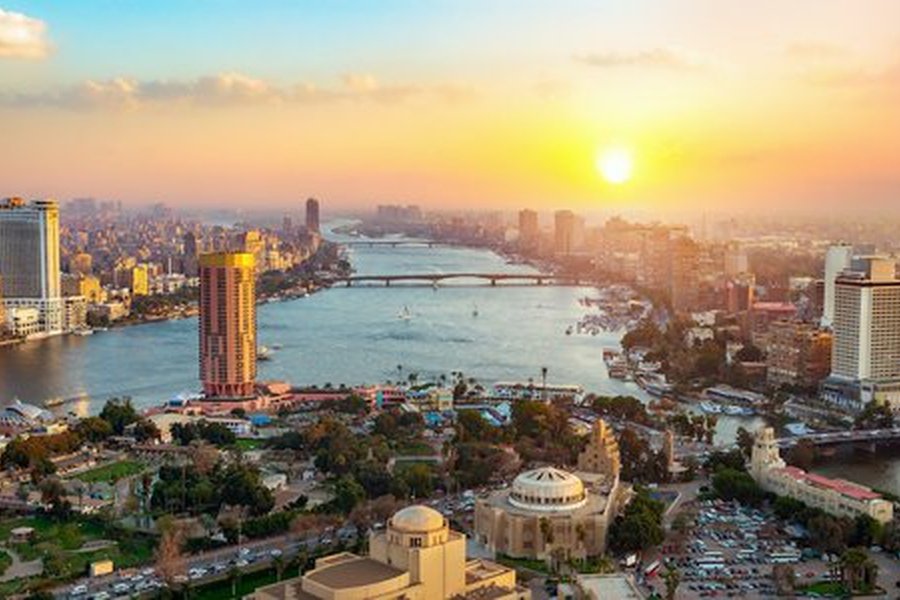
Arrive in Cairo, where you are warmly welcomed with a personalized meet-and-greet service at Cairo International Airport. After a smooth transfer to your hotel, take time to unwind and settle in. The rest of the day is left at leisure, allowing you to rest, acclimate, and quietly prepare for the meaningful spiritual journey that lies ahead.

Day 2
Maadi: A Sacred Crossing
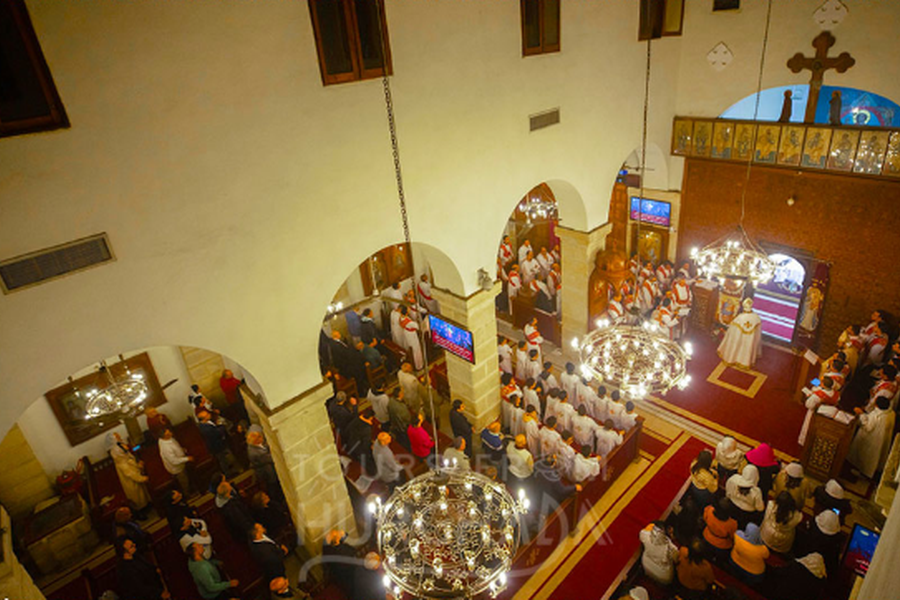
Journey to Maadi to visit the Church of the Virgin Mary, one of the most spiritually significant sites along the Holy Family’s path through Egypt. This revered church is believed to mark the very place where the Holy Family crossed the Nile on their journey into Upper Egypt. Here, tradition speaks of a miraculous event in which a page of the Bible emerged from the river, forever linking this site to Egypt’s unique place in biblical history.
Within the church’s serene atmosphere, take time for quiet reflection while learning about the Holy Family’s passage and the deep spiritual meaning this location holds for generations of pilgrims. In the evening, unwind from the day’s spiritual exploration and enjoy an authentic Egyptian family dinner, a warm and heartfelt experience that offers a genuine connection to local life and hospitality.

Day 3
Matareya and Ain Shams: In the Footsteps of the Holy Family
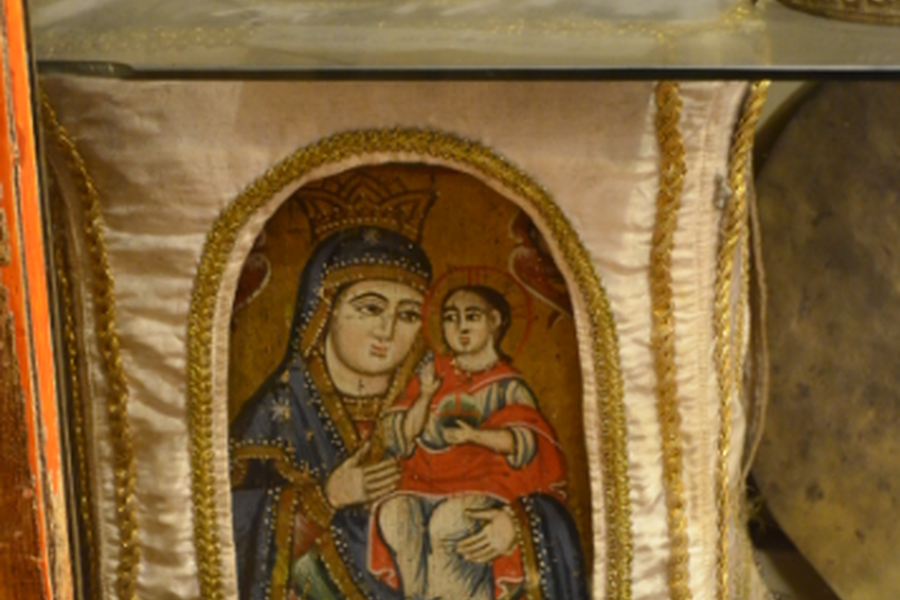
Travel to Matareya and Ain Shams, where tradition holds that the Holy Family found refuge beneath the shade of the Virgin Mary’s Tree. This revered site, steeped in devotion and history, is believed to have witnessed a moment of rest and protection during their journey through Egypt. Nearby, visit the Church of the Virgin Mary, built to commemorate the Holy Family’s presence in Matareya. Its graceful architecture and peaceful interior invite quiet reflection on the profound spiritual legacy of this sacred place.
As you absorb the stillness and meaning of the site, reflect on Egypt’s enduring role as a land of refuge and blessing. Later, return to Cairo for an overnight stay, carrying with you the serenity and spiritual depth of the day’s experiences.

Day 4
Old Cairo: The Heart of Sacred Heritage
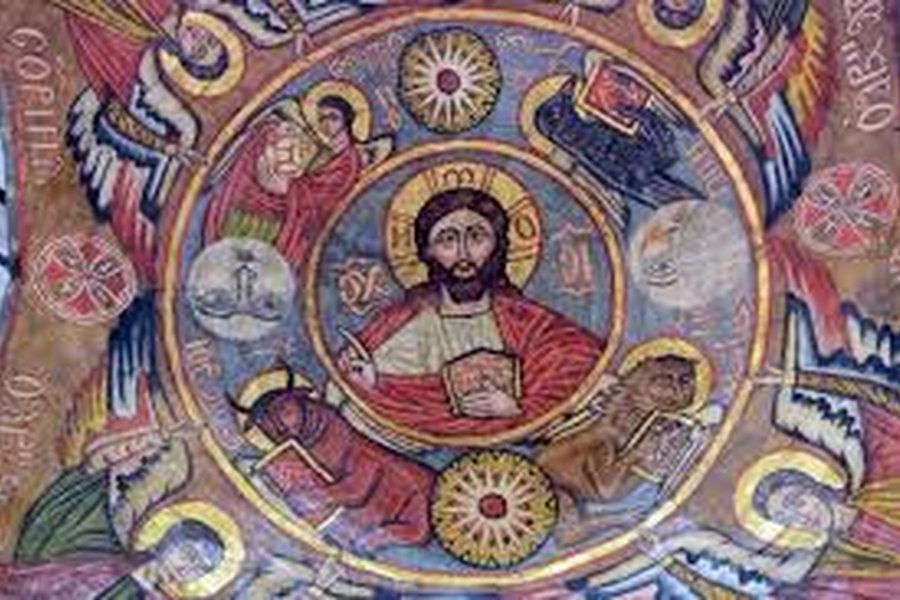
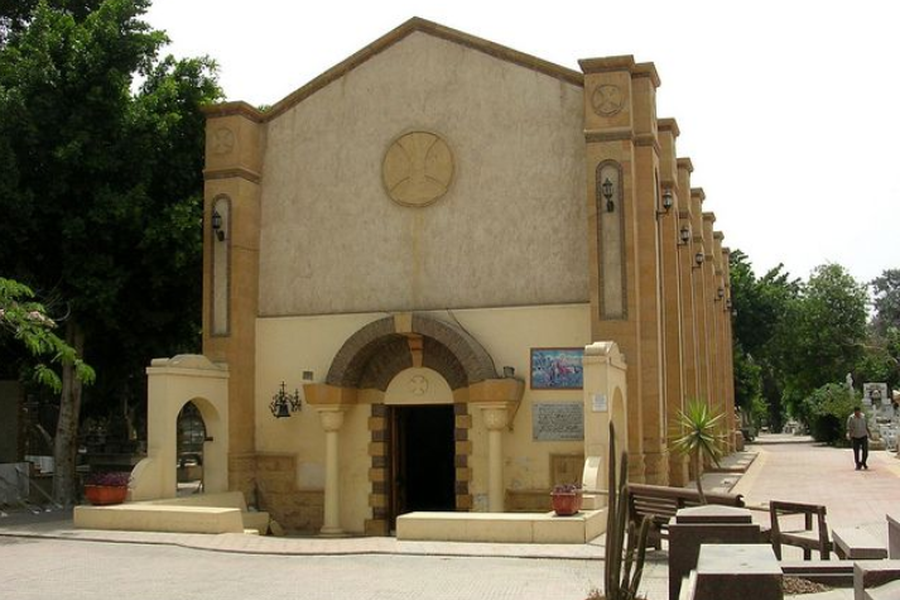
Step into Old Cairo and explore its historic Religious Complex, one of the most spiritually significant areas in Egypt and a cornerstone of early Christian history. Visit the Church of the Virgin Mary in Haret Zuweila, a revered site that reflects the deep roots of Christianity in Egypt.
Continue to the Church of Abu Serga (St. Sergius), built above the cave where tradition holds that the Holy Family sought refuge during their time in Cairo. Descend into this sacred space, now preserved within the church, and experience a powerful connection to the Holy Family’s journey and Egypt’s enduring role as a place of shelter and faith.
The surrounding complex invites quiet reflection, offering insight into centuries of devotion and spiritual continuity. After this meaningful exploration, return to your hotel in Cairo for an overnight stay.

Day 5
Wadi El-Natrun: Desert Monasteries and Living Faith
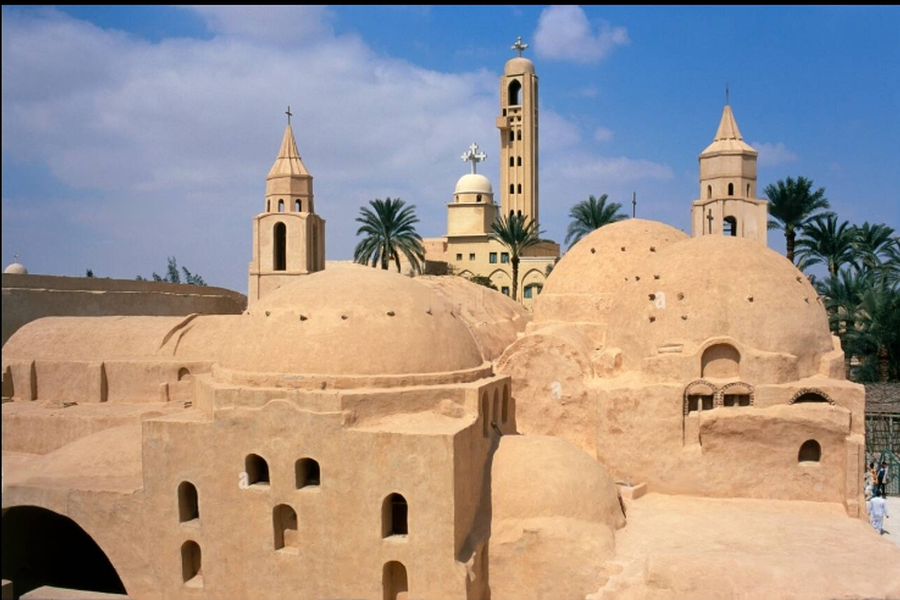
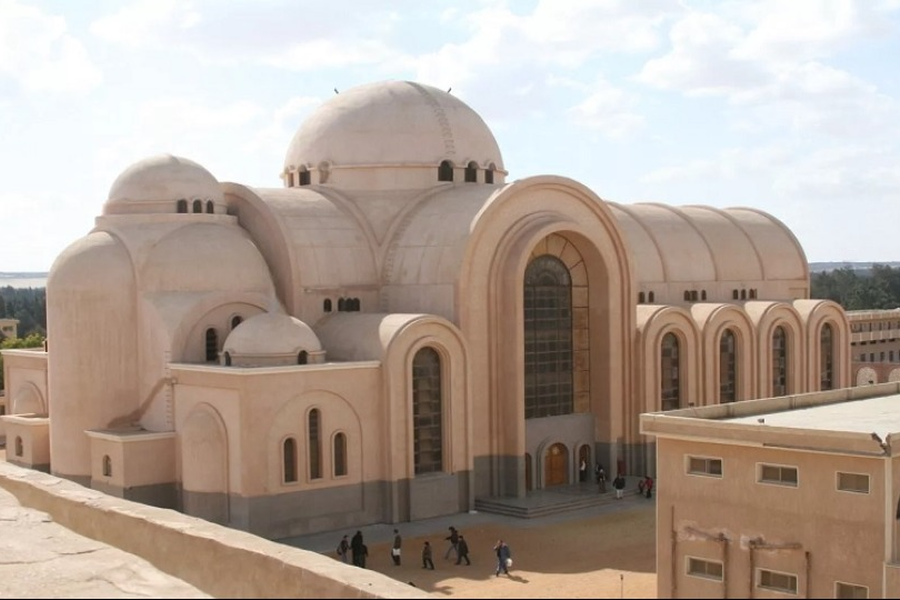
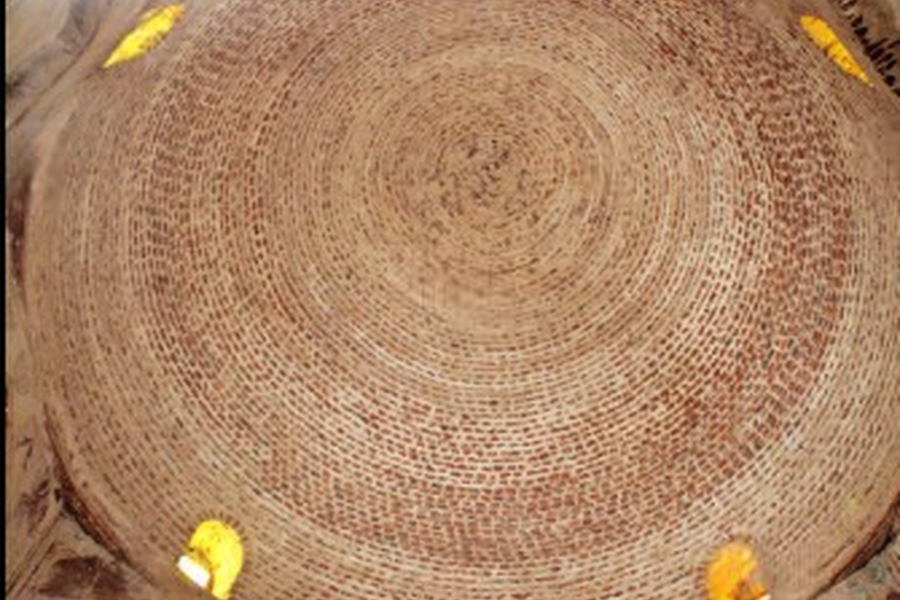
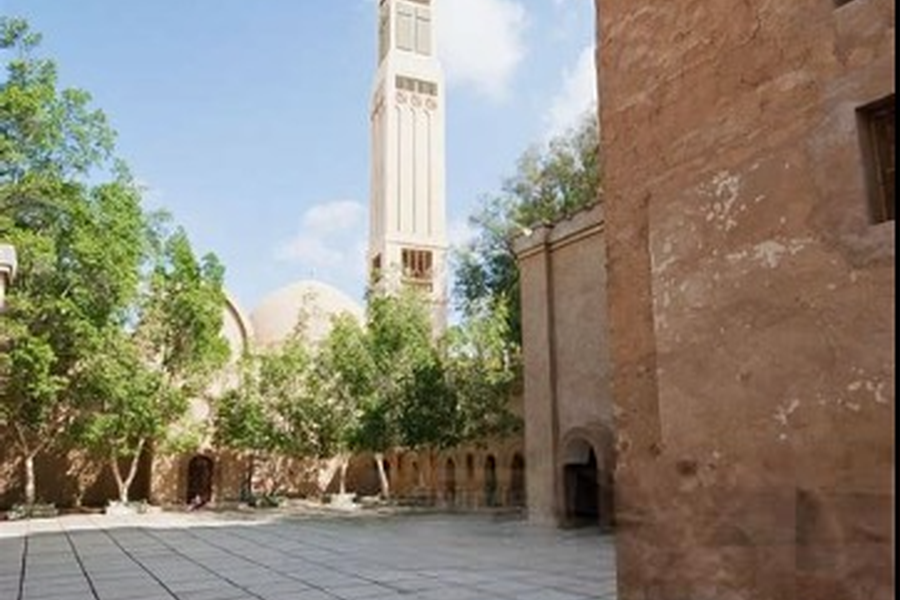
Journey into the Western Desert to Wadi El-Natrun, a timeless oasis that holds profound significance along the path of the Holy Family and stands as the cradle of Christian monasticism in Egypt. Set amid tranquil desert landscapes, this sacred valley is home to some of the world’s oldest continually inhabited monasteries.
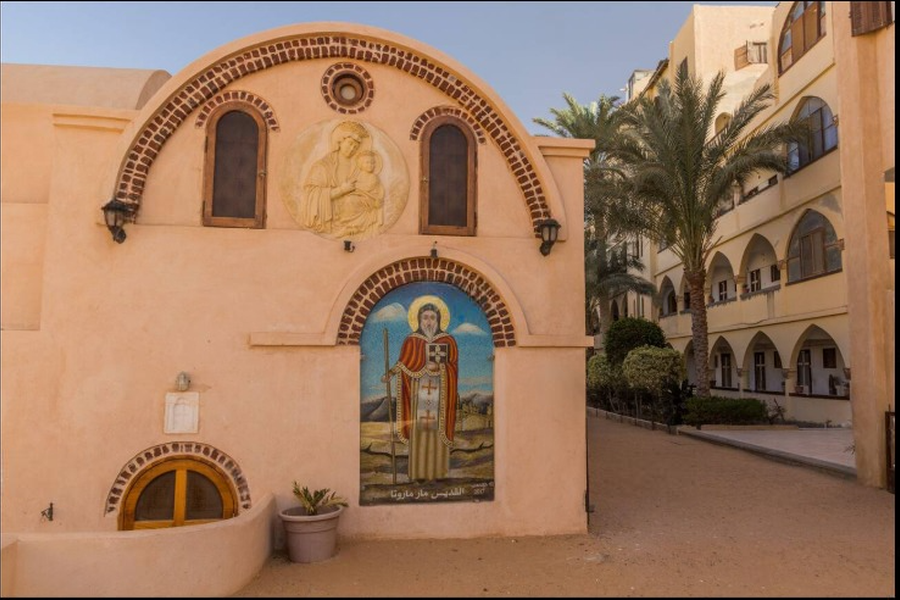
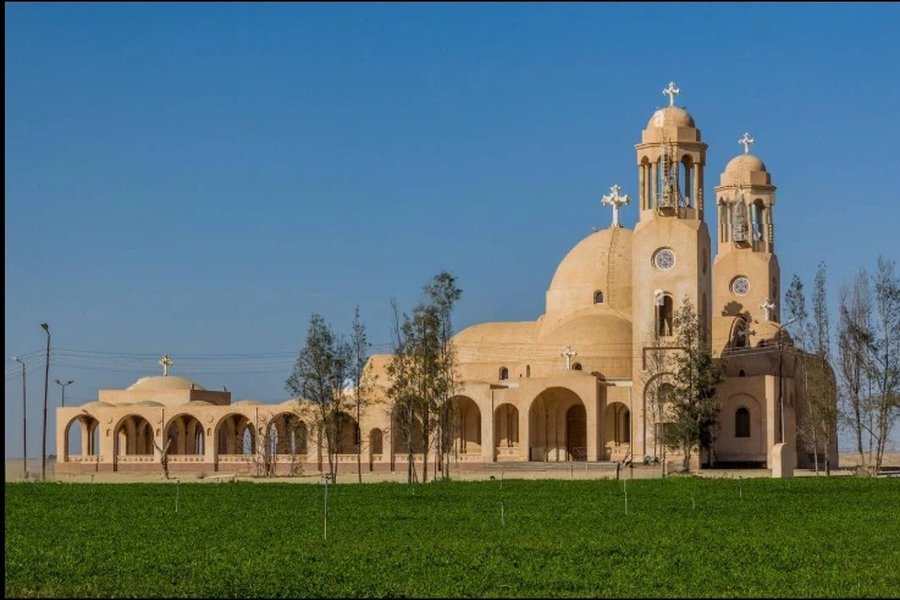
Visit the Monastery of Anba Bishoy, revered for its deep spiritual legacy and graceful architecture, before continuing to the Monastery of St. Macarius, renowned for its remarkable frescoes and centuries-old traditions of worship. Explore the Virgin Mary (Syrian) Monastery, a place of quiet devotion and historic importance, and the Monastery of Baramos, one of the earliest monastic foundations in the region, offering insight into the origins of Christian monastic life.
Each monastery reveals a unique chapter of faith, resilience, and spiritual devotion, creating a deeply enriching and contemplative experience. In the late afternoon, return to Cairo for an overnight stay, carrying with you the stillness and sacred atmosphere of Egypt’s desert monasteries.

Day 6

Inclusions
Luxury Accommodation:
- Nights 1–6: Luxury hotel in Cairo on a bed & breakfast basis
Transfers:
- Transfer to your Hotel from Cairo Airport
- Transfer from your hotel to Wadi El-Natrun
- Transfer from Wadi El-Natrun to your hotel in Cairo
- Final transfer from your hotel to Cairo International Airport for departure
Sightseeing:
-
Day 2: Full-day visit to the Church of the Virgin Mary in Maadi, including professional guiding, lunch, entrance fees, and private A/C bus (Model 2024).
-
Day 3: Full-day visit to the Virgin Mary’s Tree in Matareya and the Church of the Virgin Mary in Ain Shams, including professional guiding, lunch, entrance fees, and private A/C bus (Model 2024).
-
Day 4: Full-day tour of Old Cairo and the Religious Complex, including the Church of Abu Serga (Church of St. Sergius), with professional guiding, lunch, entrance fees, and private A/C bus (Model 2024).
-
Day 5: Full-day tour to Wadi El-Natrun, visiting the Monastery of Anba Bishoy, Monastery of St. Macarius, Virgin Mary (Syrian) Monastery, and Monastery of Baramos, including professional guiding, lunch, entrance fees, and private A/C bus (Model 2024).
Not included:
-
Entry visa to Egypt (USD 30)
-
Tipping and personal expenses
-
International and domestic flights
-
Optional tours
-
Fast Track airport services
-
Cancellation Insurance